St. Martin’s Day in Croatian Zagorje: Traditions, Customs and the Baptism of Must
Although the grape harvest is already well behind us by this time of year, November brings one of the best-known wine-related celebrations to Croatian Zagorje and beyond: St. Martin’s Day, locally known as Martinje. Every year on 11 November, the feast day of St. Martin, people gather in traditional Zagorje vineyard cottages and around family tables to raise a glass to young wine and continue a tradition that has long been part of the region’s winemaking heritage. Although Martinje is most commonly associated with the “baptism of must”, its significance goes much further. It connects the end of the vineyard growing season and the arrival of young wine with local customs, social gatherings and the rich history of viticulture in Croatian Zagorje.
Who Was St. Martin and How Did Martinje Begin?
St. Martin’s Day is celebrated on 11 November, the feast day of St. Martin of Tours, a Christian saint who lived in the 4th century. According to legend, while serving as a Roman soldier, Martin shared his cloak with a poor man suffering from the cold. He later became the Bishop of Tours in present-day France. Over the centuries, his feast day became associated with the end of autumn agricultural work, gratitude for the harvest and customs celebrating the abundance of food and drink. In European wine-growing regions, wine from the new harvest came to hold a special place among these traditions. In Croatian Zagorje, Martinje gradually developed into a tradition that brings together viticulture, folk customs and humour, with the baptism of must becoming perhaps its most recognisable feature.
The Best-Known Martinje Tradition: The Baptism of Must
According to Zagorje tradition, grape must undergoes a symbolic baptism on St. Martin’s Day, during which it is ceremonially declared young wine. The central role in this ritual is usually played by a mock wine bishop, accompanied by a godfather and other participants. Through ceremonial speeches and often humorous prayers, the must is formally proclaimed wine, followed by toasts and, inevitably, a lively celebration. The custom also has an interesting history. Its roots are associated with older European folk wine celebrations, while similar ceremonies were historically part of festivities among the nobility. Over time, the custom spread among the wider population and became part of local tradition. In fact, written rules for the Martinje ceremony have been known for almost two centuries.
Although the baptism of must is a symbolic act, its place in the winemaking calendar is no coincidence. Following the autumn harvest, grape must gradually develops into young wine, and Martinje falls around the time when the first results of the new vintage begin to emerge. Of course, the actual transformation of must into wine is not determined by a date on the calendar. Every wine develops at its own pace, depending on the grape variety, fermentation conditions and winemaking methods. The tradition, however, has endured.
Martinje in Zagorje’s Vineyard Cottages and Around the Table
It is difficult to imagine the winemaking traditions of Croatian Zagorje without the *klet*, a traditional vineyard cottage. For generations, these cottages have served not only as places to work and store wine, but also as gathering spaces for families, neighbours and friends. That is why Martinje in Zagorje is much more than an opportunity to taste young wine. It is also a social tradition that brings people together after the demanding autumn work in the vineyards.
Martinje toasts are usually accompanied by traditional dishes, with roast goose and *mlinci* — thin, baked flatbread softened in hot water and roasting juices — among the best-known specialities associated with the occasion. Songs, toasts and good company are an essential part of the Martinje tradition, and its spirit has long extended beyond rural vineyard cottages. Today, Martinje is celebrated through gatherings, wine dinners and public events, with old customs often adapted to contemporary life.
Martinje and the Winemaking Heritage of Croatian Zagorje
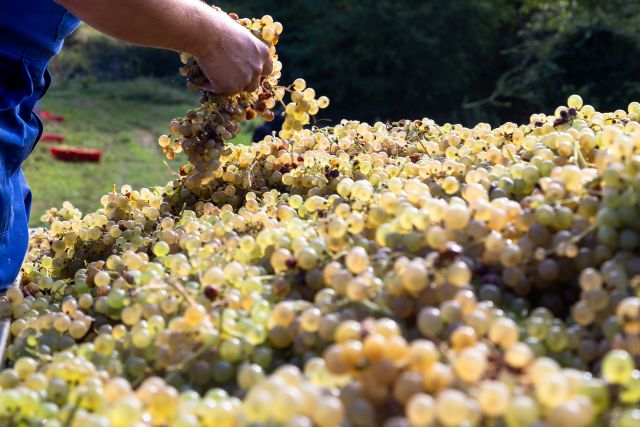
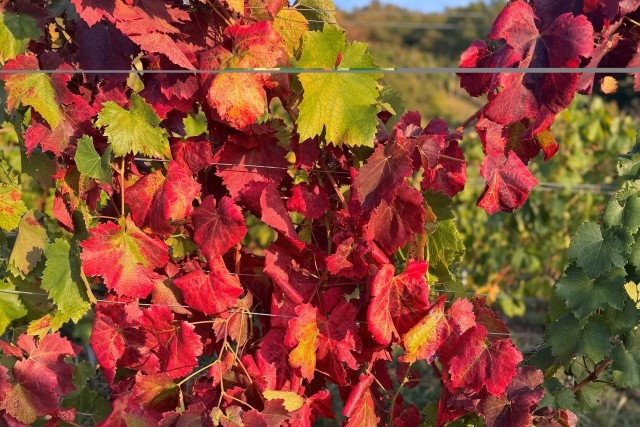
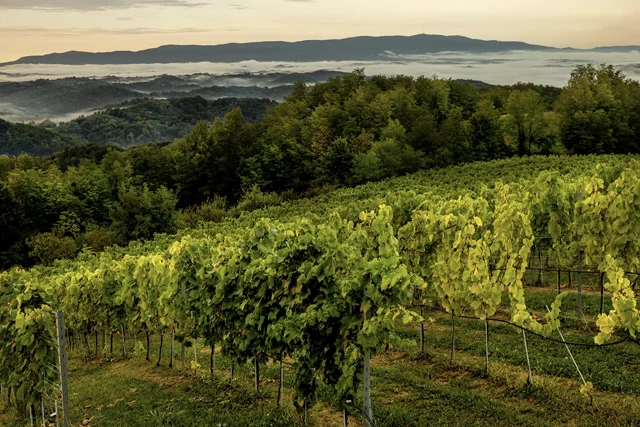
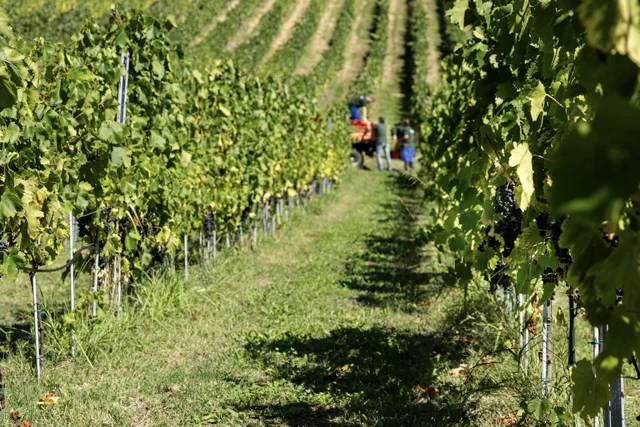
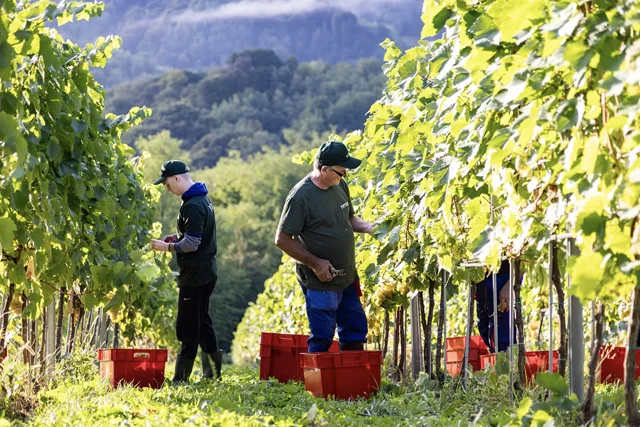
The special place Martinje holds in Zagorje reflects the region’s long-standing connection with viticulture and winemaking. Vineyards have shaped the landscape of Croatian Zagorje for centuries, while work among the vines has traditionally followed the annual rhythm of life. From pruning and spring vineyard work to the grape harvest and activities in the cellar, each season has brought its own tasks and customs. Martinje falls within this cycle after the harvest, when work gradually shifts from the vineyards to the cellar and the new vintage begins to reveal its character. Today, winemaking in Croatian Zagorje combines this long tradition with modern knowledge and technology. Alongside the preservation of wine-related customs, increasing importance is placed on safeguarding the region’s indigenous grape varieties and strengthening the distinctive identity of its wines.
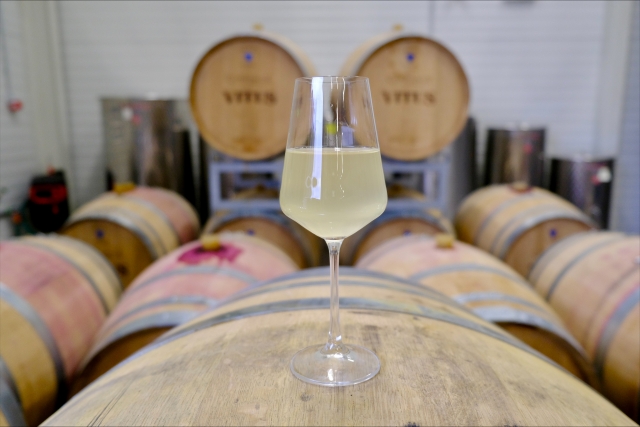
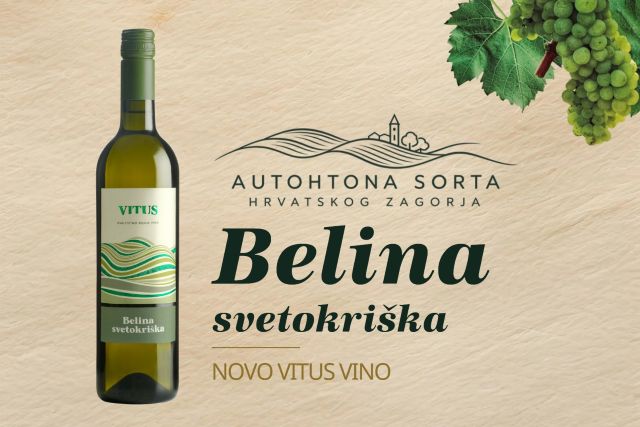
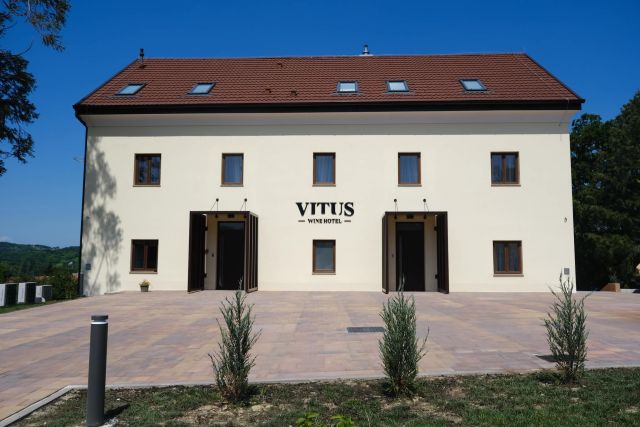
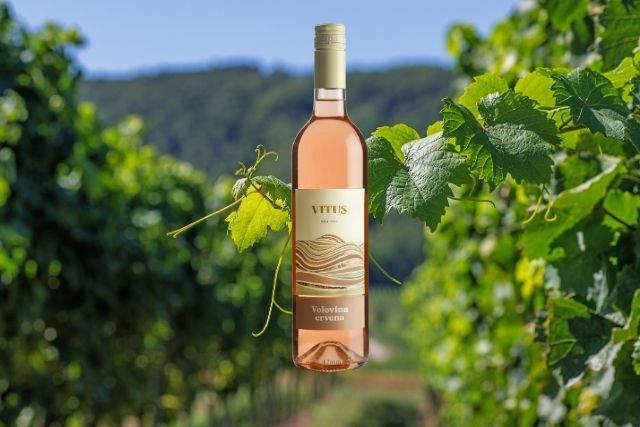
At Vitus, this connection between past and future is one of the foundations of our work. Through a long-term project dedicated to the revitalisation of indigenous grape varieties of Croatian Zagorje, among which Belina starohrvatska holds a particularly important place, we strive to preserve a valuable part of the region’s viticultural heritage and bring it back into contemporary wine production.
A Tradition That Continues
The way Martinje is celebrated has changed over time. Some customs have retained their original form, others have become part of organised celebrations, while for many people today, St. Martin’s Day is simply an occasion to gather and enjoy a glass of wine. What remains is its connection to the winemaking heritage of Croatian Zagorje. Each year, Martinje reminds us of the traditions that developed around vineyards, vineyard cottages and family tables, and of the place they continue to hold in the life of the region. It is through customs such as these, alongside the preservation of historic grape varieties and the development of new wines, that the winemaking traditions of Croatian Zagorje continue to live on.