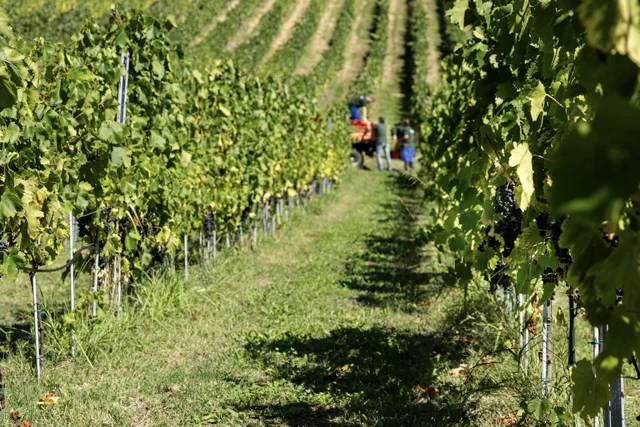
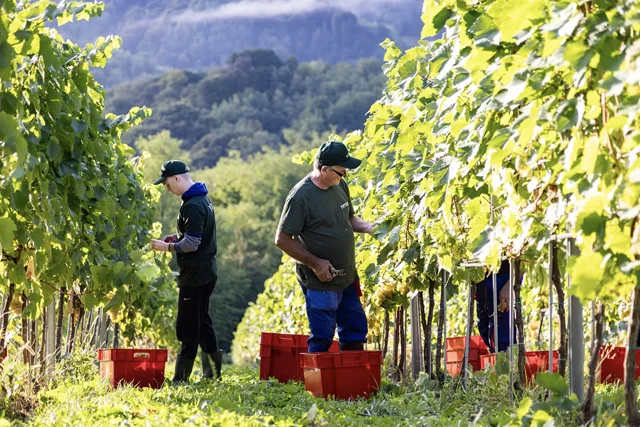
When freshly harvested grapes arrive at the winery, their journey towards becoming wine is only beginning. Before the first glass of young wine comes grape must, a naturally sweet liquid containing the essential components that will help shape the character of the finished wine. Grape must is closely associated with the autumn winemaking season. Its sweetness and fresh grape aromas make it instantly recognisable, but its importance extends far beyond its taste. The composition and quality of the must, together with the decisions made during winemaking, play a significant role in determining the characteristics of the resulting wine.
What Is Grape Must?
Grape must is the unfermented liquid obtained from fresh grapes, usually through crushing and pressing. It contains natural sugars, organic acids, minerals and numerous other compounds originating from the grapes. Unlike finished wine, fresh grape must has not yet undergone alcoholic fermentation. Its naturally occurring sugars, primarily glucose and fructose, give it a distinctly sweet taste. Its flavour and composition depend on the grape variety, ripeness and growing conditions. Although it may resemble ordinary grape juice, in winemaking must serves as the starting material for a series of transformations that eventually produce wine.
How Is Grape Must Made?
Grape must production begins after the harvest, when grapes arrive at the winery for processing. Depending on the grape variety and the intended style of wine, the grapes may be destemmed, crushed and pressed to release their juice. For most white wines, the juice is separated from the skins and other solid grape material before fermentation begins. Red wine production often follows a different approach: fermentation takes place while the juice remains in contact with the grape skins, allowing compounds responsible for colour, aroma and structure to be extracted. The way grape must is prepared and handled therefore depends on the type of wine being produced. Even at this early stage, decisions are being made that will influence the wine's final character.
What Does Grape Must Contain, and Why Does Its Composition Matter?
Water makes up most of grape must, but sugars and acids are particularly important in winemaking. Sugars provide the material needed for alcoholic fermentation, while acids contribute freshness, balance and stability to the finished wine. Sugar concentration is one of the indicators used to assess grape ripeness and estimate potential alcohol content. Winemakers therefore measure sugar levels during harvest and processing. Acidity and other parameters are also monitored to assess the grapes and guide subsequent winemaking decisions. Not all grape must has the same composition. Differences arise from grape variety, weather conditions, vineyard location and harvest timing. Two batches of must can therefore have noticeably different balances of sweetness and acidity, even when they originate from the same wine-growing region.
How Does Grape Must Turn Into Wine?
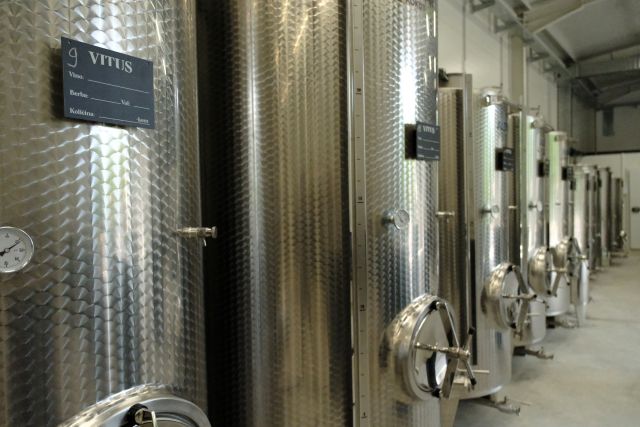
One of the most important stages of winemaking is alcoholic fermentation. During this process, yeasts convert the natural sugars present in grape must into alcohol and carbon dioxide. They also produce other compounds that contribute to the wine's developing aromas and flavours. As fermentation progresses, the must gradually loses its initial sweetness while its alcohol content increases. New aromas begin to develop, and carbon dioxide released during fermentation may create visible bubbles and foam. Fermentation can begin through the activity of naturally occurring yeasts or through the addition of selected wine yeasts. Its progress depends on the composition of the must, temperature and other conditions in the winery.
When Does Grape Must Become Young Wine?
There is no single instant when fresh grape must suddenly becomes young wine. The transformation is gradual, with the liquid's composition changing continuously throughout fermentation. Fresh must is sweet and contains little or no alcohol. Once fermentation begins, sugar levels decrease while alcohol levels rise. During this transitional stage, the fermenting must may still taste sweet while already containing alcohol and carbon dioxide. After alcoholic fermentation is complete, the resulting wine is still young and may require further work before bottling. Depending on the style of wine, this can include racking, clarification, stabilisation and maturation. The journey from grape must to finished wine therefore involves much more than a single chemical reaction. It is a gradual process in which the original characteristics of the grapes are developed into those of a new wine.
From Grape Must to Wine at Vitus Winery
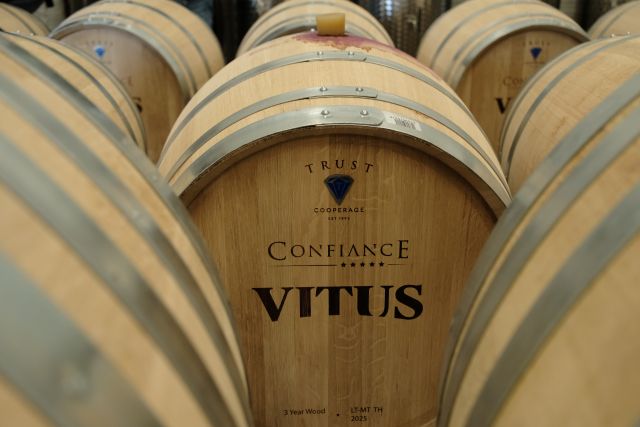
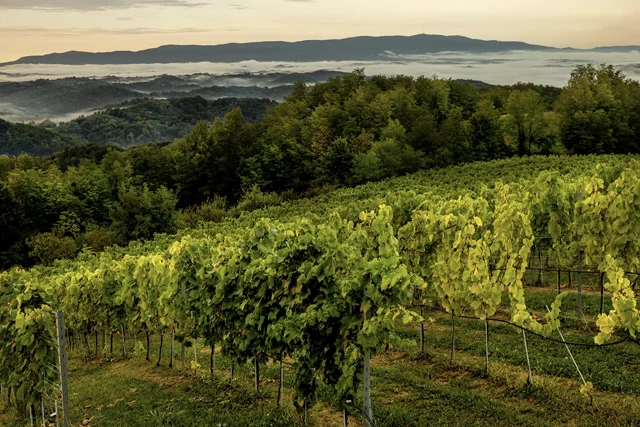
At Vitus Winery in Hrvatsko zagorje, each harvest provides new grapes for the winemaking season. Among them are indigenous grape varieties that play an important role in the winery's long-term work to preserve and revitalise the region's viticultural heritage. Belina starohrvatska, Modra kosovina and other varieties in the Vitus portfolio have distinct characteristics that can already be observed in their grapes and must. During processing and fermentation, these characteristics are taken into account as the desired style and profile of each wine is developed. As grape must gradually transforms into young wine, the traditional celebration of Martinje, or St Martin's Day, approaches in November. In Hrvatsko zagorje, this occasion gives the transformation of must into wine a symbolic meaning, rooted in the region's long winemaking traditions.
Frequently Asked Questions About Grape Must (FAQ)
What is grape must?
Grape must is the unfermented liquid obtained from fresh grapes. It contains natural sugars, acids and other grape compounds and serves as the starting material for alcoholic fermentation during winemaking.
What is the difference between grape must and wine?
The main difference is alcoholic fermentation. Fresh grape must contains natural grape sugars and little or no alcohol, while wine is produced when yeasts convert some of those sugars into alcohol.
Why is grape must sweet?
Grape must is naturally sweet because it contains glucose and fructose, sugars that accumulate in grapes as they ripen. During alcoholic fermentation, yeasts consume these sugars, gradually reducing the sweetness.
Does grape must contain alcohol?
Fresh, unfermented grape must normally contains little or no alcohol. Once fermentation begins, alcohol is produced, meaning that fermenting grape must is no longer alcohol-free.
How long does grape must fermentation take?
Alcoholic fermentation can last from several days to several weeks, depending on temperature, sugar concentration, yeast activity and the winemaking method. The duration varies between different wines.
Why does grape must produce bubbles during fermentation?
Yeasts produce carbon dioxide as they convert sugars into alcohol. This gas escapes through the liquid, creating bubbles and sometimes foam. The process is called fermentation and does not involve boiling at high temperatures.
Can grape must be made from red grapes?
Yes, grape must can be obtained from both white and red grape varieties. When making red wine, the juice usually remains in contact with grape skins during fermentation, allowing colour pigments and other compounds to be extracted.