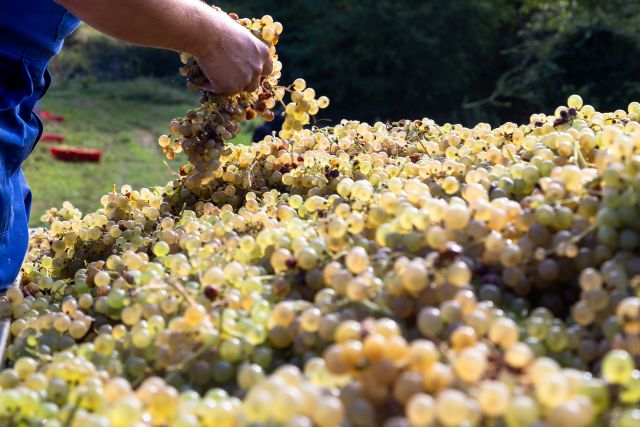
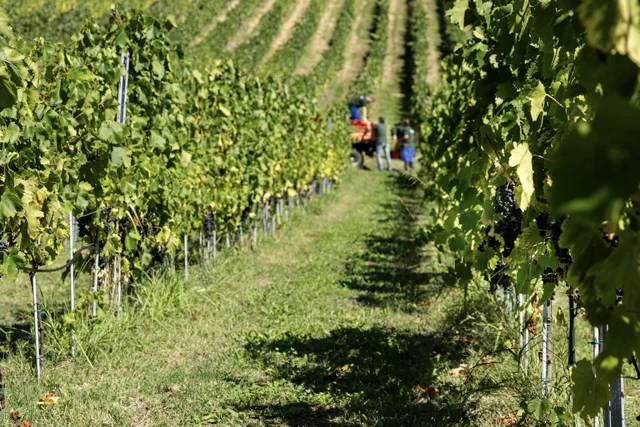
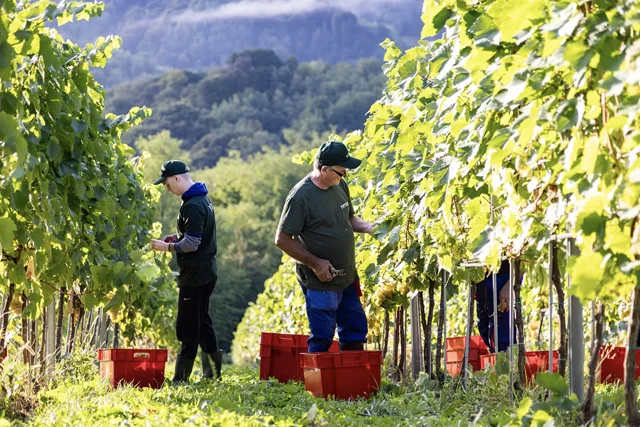
Harvest is one of the defining moments of the viticultural year. The grapes leave the vineyard and make their way to the cellar, where the next stage of their transformation into wine begins. In the vineyard, however, the season is not yet over.
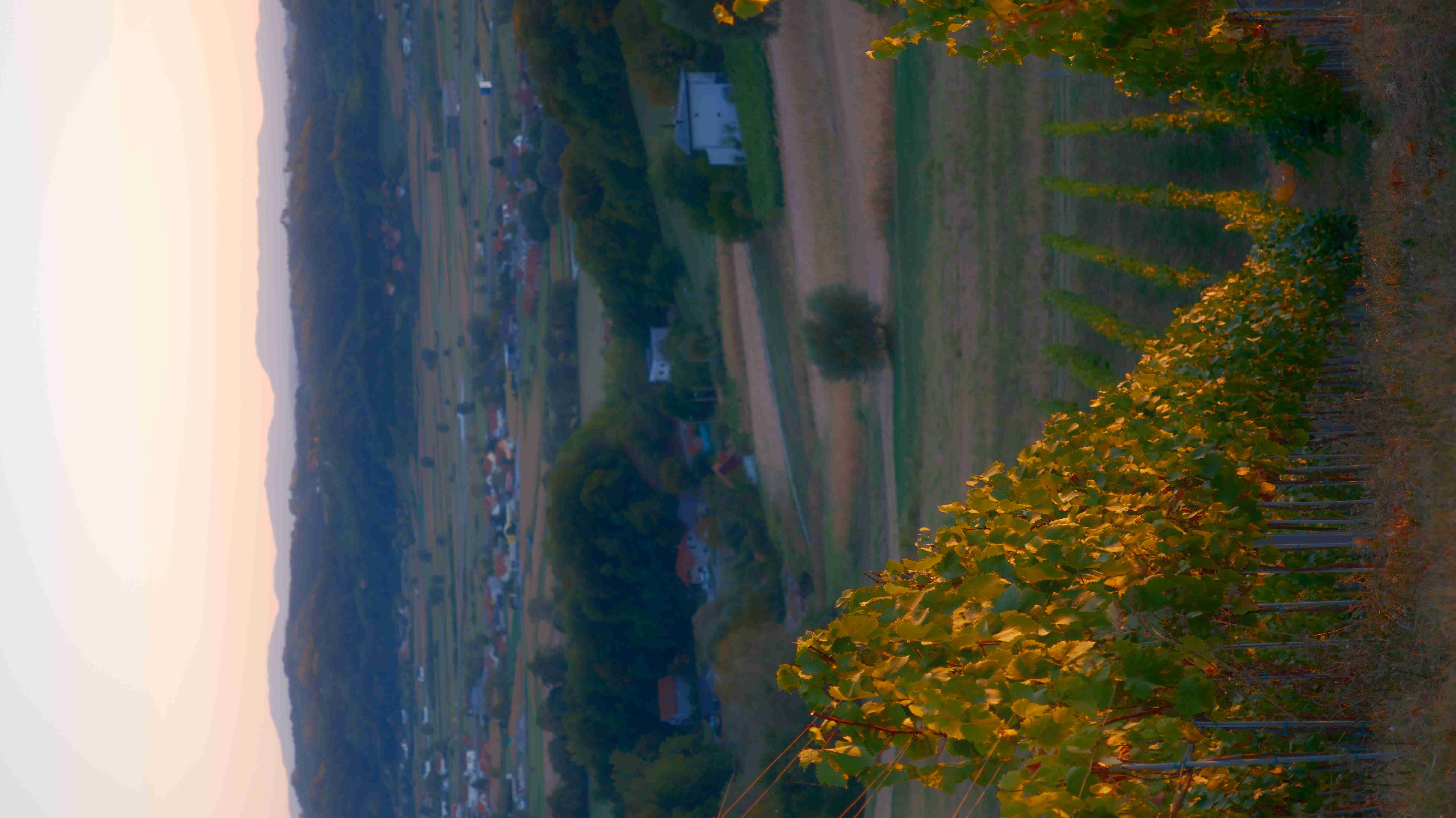
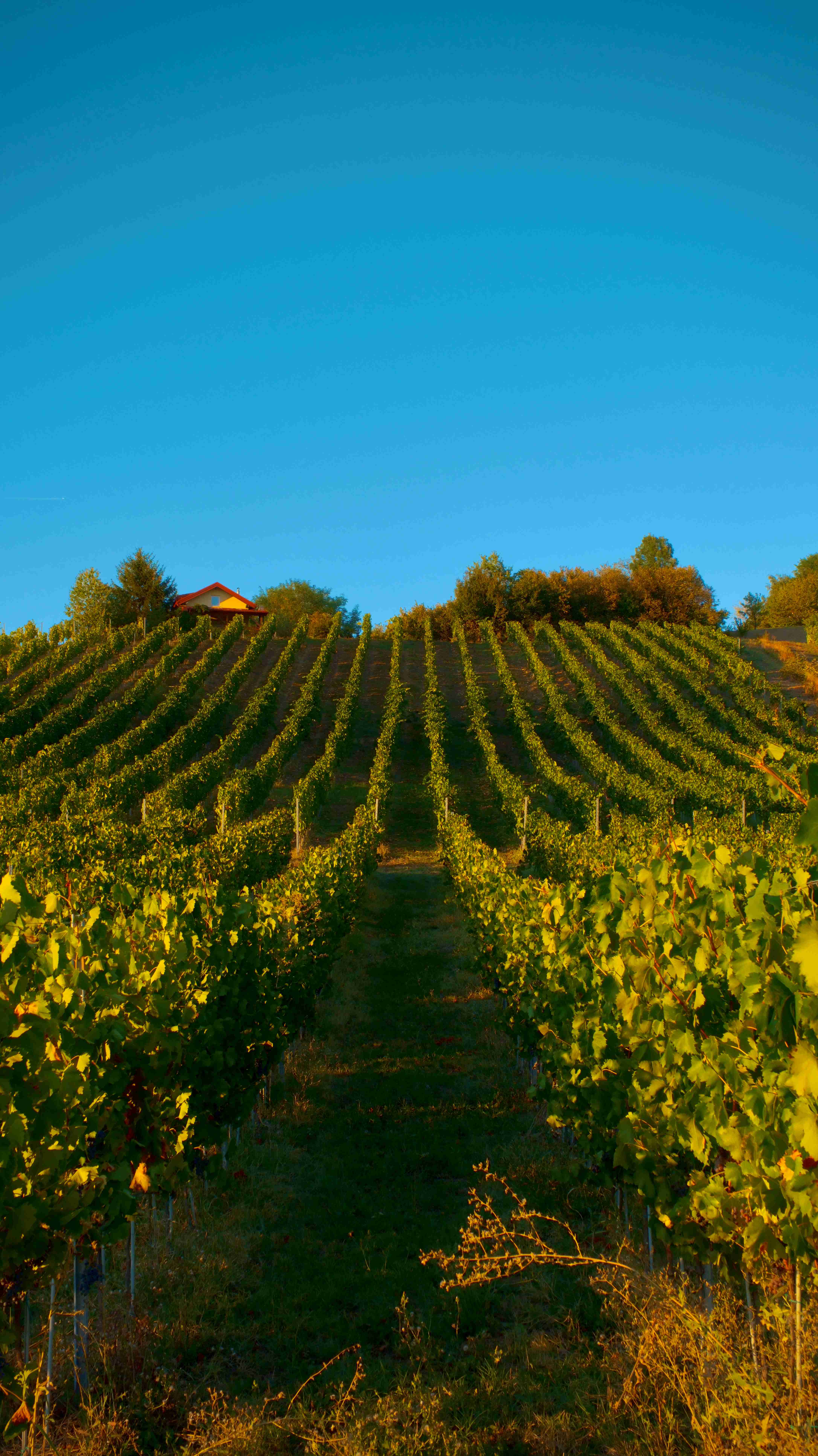
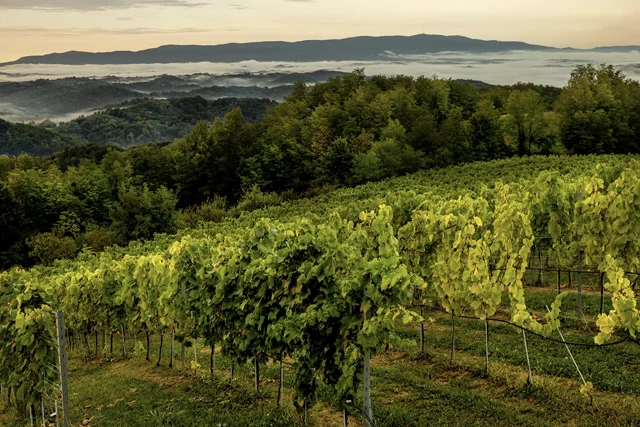
After the final bunches have been picked, grapevines in autumn remain active for some time. As long as the leaves are green and functional, photosynthesis continues. Instead of supporting the ripening crop, part of the energy produced by the plant can now be directed towards building and storing reserves. At the same time, the appearance of the vineyard begins to change: green gradually gives way to yellow, gold and reddish tones as the vines prepare for dormancy. A vineyard after harvest, therefore, is much more than rows of vines without grapes. It is a transitional period between the end of one growing season and preparation for the next.
Harvest does not mark the end of the grapevine growing cycle
The grapes may have been picked, but the vine has not yet completed its annual cycle. As long as healthy, active leaves remain on the plant, the grapevine continues to photosynthesise. During this period, some of the carbohydrates it produces are stored in perennial parts of the plant, particularly the roots and woody tissues. These reserves will be important during winter and especially in spring, when new growth begins. During the earliest stages of spring growth, young shoots do not yet have enough developed leaf area to produce all the energy they require. The vine therefore relies partly on reserves accumulated during the previous season. This is why the period after harvest should not be viewed as an insignificant end to the year. It provides an important link between two growing seasons.
Why are leaves still important after harvest?
Once the crop has been harvested, it can seem that the leaves have completed their role. As long as they remain healthy and photosynthetically active, however, they continue producing energy that can contribute to the vine's reserves. As autumn progresses, days become shorter, temperatures fall and the physiological activity of the vine gradually decreases. Chlorophyll breaks down, green colour fades and yellow, golden and reddish shades become more visible throughout the vineyard.
Before the leaves eventually fall, the plant relocates some useful compounds from them into its permanent tissues. Leaf fall is therefore the visible sign of a much broader transition: the active growing season is ending and the grapevine is gradually entering dormancy.
How does a grapevine build reserves for the following season?
A grapevine is a perennial plant, which means that every new growing season partly depends on what happened during the previous one. Throughout the year, carbohydrates produced through photosynthesis support shoot growth, leaves, roots and fruit development. As the growing season approaches its end, more of the available resources can be directed towards reserves stored in the roots, trunk and other permanent parts of the vine.
These reserves contribute to overwintering and help support renewed growth the following spring. The condition of the vine after harvest can therefore also influence the beginning of the next viticultural year. There is no identical scenario for every vineyard. The condition of a vine after harvest depends on factors including the grape variety, crop load, vine health, water and nutrient availability and weather conditions during the growing season.
The vineyard in autumn: what changes after harvest?
The first changes are easy to see. Rows that were full of grapes only weeks earlier are now without fruit, while the colour of the foliage begins to reflect the changing season. Behind those visible changes, the grapevine is undergoing physiological processes that prepare it for colder weather. Shoot growth slows and stops, canes mature and become woody, leaf activity decreases and the plant gradually shifts from active growth towards a state adapted to winter conditions. For the grapevine, autumn is therefore not an abrupt stop but a gradual transition. In a continental wine-growing region such as Hrvatsko Zagorje, seasonal changes in temperature and day length clearly shape this annual rhythm. The autumn appearance of the vineyard is simply the most visible indication that another growing cycle is approaching its end.
What vineyard work takes place after harvest?
The term autumn vineyard work does not refer to one fixed list of tasks carried out in every vineyard every year. After harvest, growers continue to monitor the condition of the vines, vineyard health, soils and the conditions affecting the final stages of the growing season. Depending on the needs of an individual site, post-harvest work may include vineyard floor management, soil analysis and nutrient planning, replenishing water where required, and identifying vines that showed health problems during the season.
It is also important to distinguish the period immediately after harvest from true winter dormancy. Winter pruning does not automatically begin as soon as harvest is finished. It is generally carried out after leaf fall once the vines are dormant, while the precise timing depends on the region, weather and training system.
When do grapevines enter winter dormancy?
Dormancy is not something that happens overnight. As temperatures fall and days become shorter, active growth stops, leaves age and fall, and the grapevine undergoes physiological changes that allow it to overwinter. During winter, a vine can appear completely inactive. There are no green leaves or new shoots, but the plant remains alive. Its permanent tissues contain buds and stored reserves which, once favourable conditions return, will support the beginning of a new growing season. The vineyard has entered the least visibly active part of the year, yet this continuity is one of the defining characteristics of viticulture: the beginning of one season is always connected to the end of the previous one.
From an autumn vineyard to new wines from Hrvatsko Zagorje
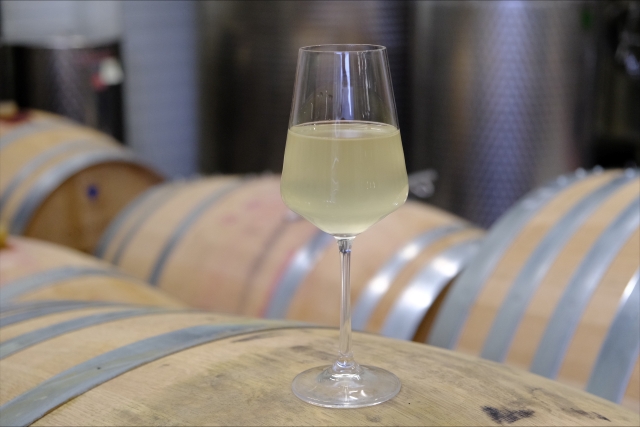
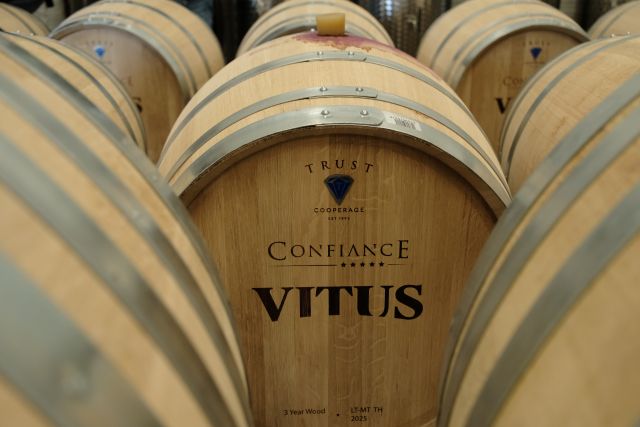
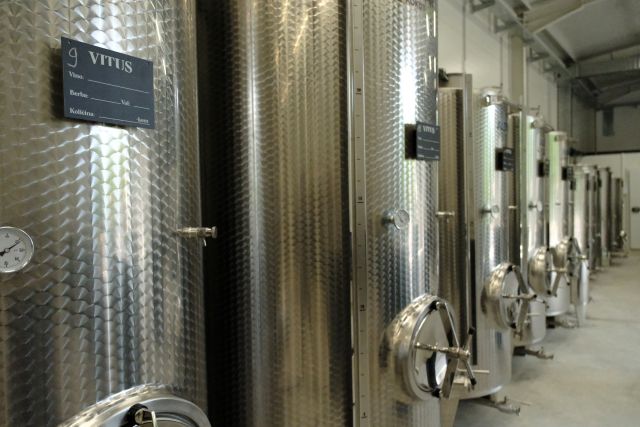
While the vineyard is becoming quieter, a very different stage of work is beginning in the cellar. Grapes picked during harvest undergo processing, fermentation and further stages that will shape the character of the future wine. At the same time, the vines on which those grapes grew are completing their own season and preparing for the next one.
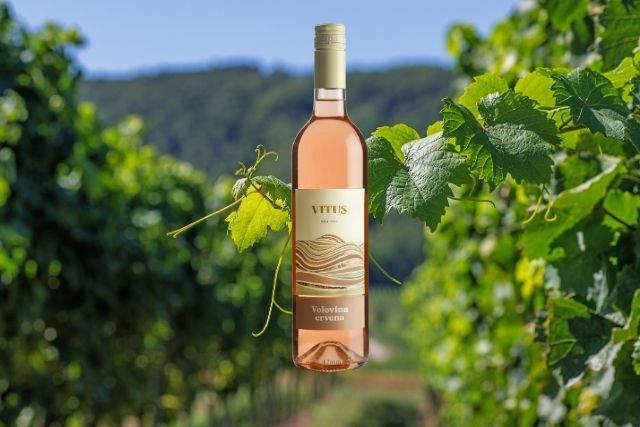
The story of wines from Hrvatsko Zagorje therefore does not end with harvest. While wine slowly takes shape in the cellar, the vineyard is already completing the processes that will make the next harvest possible.
Frequently asked questions about vineyards after harvest
Do grapevines become dormant immediately after harvest?
No. If healthy and active leaves remain on the vine, photosynthesis can continue after harvest. The vine gradually moves towards winter dormancy as temperatures fall, days become shorter and leaves begin to senesce.
Why do leaves remain on the vine after the grapes have been harvested?
As long as they remain functional, the leaves continue photosynthesis. Energy and nutrients that the plant can store in its permanent tissues during this period help support overwintering and new growth the following spring.
When are grapevines pruned after harvest?
Pruning is generally not carried out immediately after harvest. It usually takes place during the dormant period after leaf fall, although the exact timing depends on climate, vineyard location and the production system.
Is there still work to do in the vineyard after harvest?
Yes. Harvest completes one major stage of the year but not the viticultural season itself. Post-harvest work includes monitoring the vines and vineyard, carrying out autumn tasks according to the needs of the site and preparing for dormancy and the following season.
What happens in a vineyard during winter?
After leaf fall, grapevines enter dormancy. Above-ground growth stops, while the vine overwinters with its permanent tissues, buds and reserved accumulated during the previous growing season. A new cycle begins when favourable conditions return in spring.