A few months ago this space looked very different. A brick vault, cool air, and an emptiness that was waiting for something. An empty cellar has a beauty of its own, but a cellar is not built to stay empty.
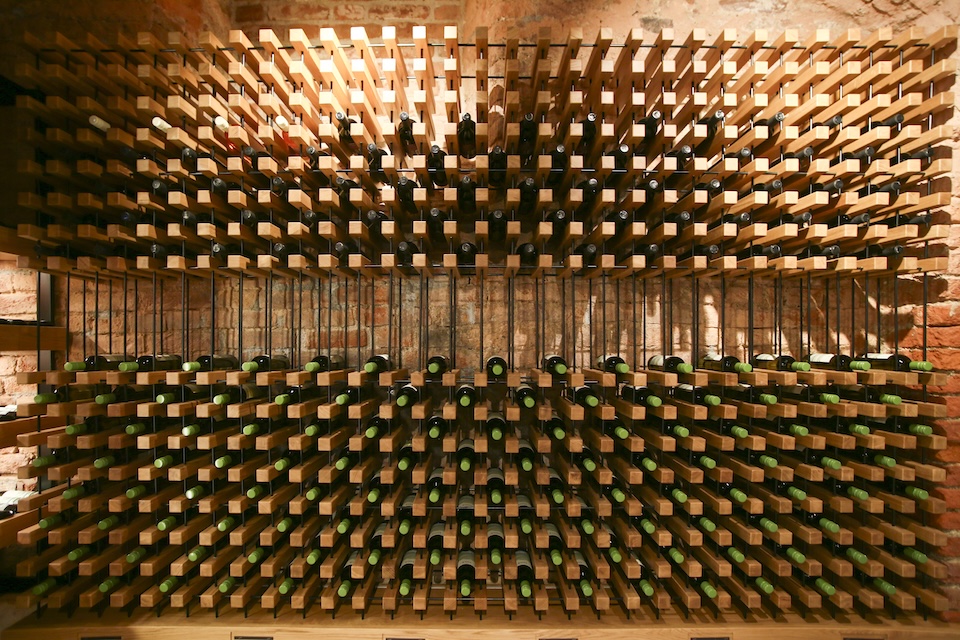
The racks are full now. Bottle by bottle, vintage by vintage, the archive cellar has been given its contents - wines we will not open for several years, and wines that will not wait nearly that long.
Why the wine cellar is where it is
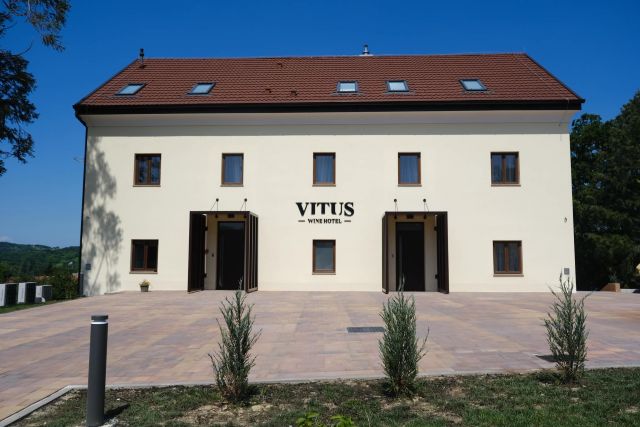
The cellar sits beneath our manor house, a "kurija" built in 1888 and now home to Hotel Vitus. Its position was never an afterthought; it was part of how the building was conceived. Thick walls and a brick vault set into the ground behave like a thermal store, absorbing heat slowly and releasing it just as slowly. What happens above ground over a single day reaches the cellar only over weeks, softened to the point where the wine no longer registers it at all.
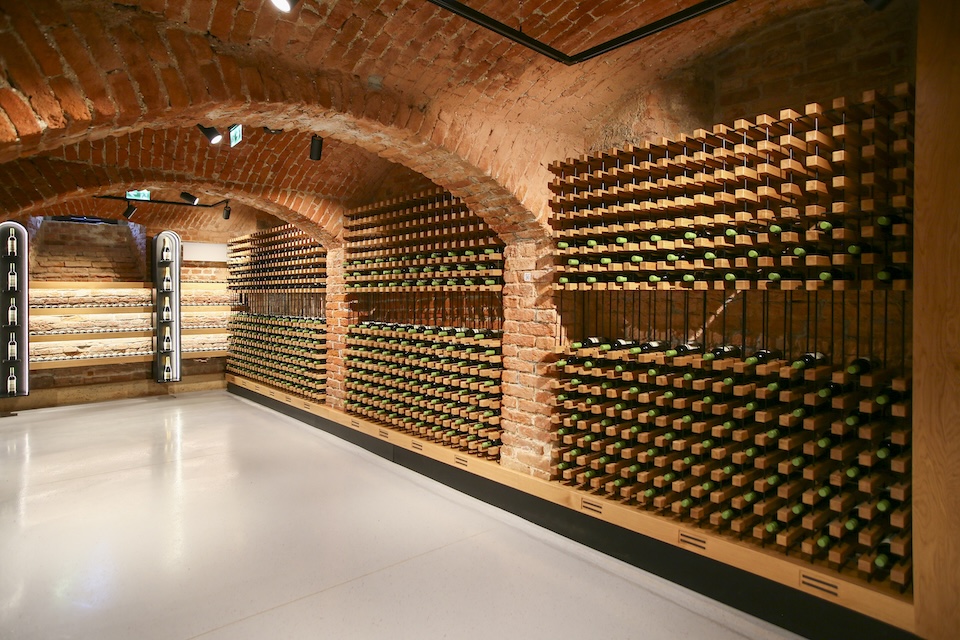
Buildings like this were made that way because there was no alternative. Today the same effect can be achieved with technology, but a masonry vault does it without electricity and without noise.
The four conditions a cellar has to meet
A cellar solves four problems, and all four matter equally.
Stable temperature
Wine does not ask for cold so much as for constancy. Somewhere between ten and fourteen degrees Celsius is generally considered ideal for long ageing, but swings do more damage than the absolute figure. Wine and the air trapped in the bottle expand and contract at different rates, so every significant shift works against the cork and eventually lets oxygen in.
Humidity
Air that is too dry pulls moisture out of the cork from the outside and allows it to shrink. Air that is too damp does the wine no harm, but it ruins labels and packaging. A masonry cellar cut into the ground holds itself within a workable range almost on its own.
Darkness
Light is the only one of these four factors that acts quickly and visibly. Ultraviolet and blue light break down riboflavin and amino acids in wine, producing sulphur compounds behind the fault known in the trade as lightstrike. Sparkling wines and whites in pale glass are the most vulnerable. The cellar therefore carries only as much light as is needed to work in it.
Stillness
The effect of vibration is less well documented than the others, but cellar masters take it seriously. Constant movement keeps sediment in suspension and prevents a wine from settling. Bottles lie horizontally, and they stay put.
An archive cellar is not a working cellar
We have two cellars, and they do two different jobs.
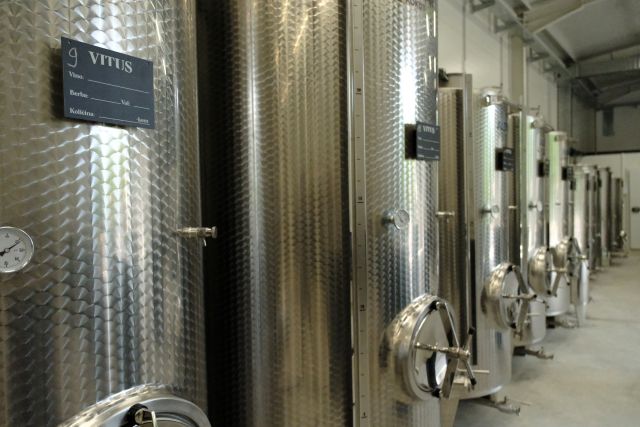
The production cellar, with a capacity of 100,000 litres, is where wine is made. Grapes arrive there, fermentation is managed, temperatures are tracked, wine is racked and bottled. It is a facility, and it looks like one.
The archive cellar holds a number of bottles from every vintage of every wine we have made, so that a vertical of a single variety can be opened and compared across years. This is the only way a winery can know what it is actually doing - not how a wine looked on bottling day, but how it behaves after three years, or five, or ten. In that sense the archive is the winery's memory.
What happens to wine while it lies still
Ageing is not automatic improvement. A wine without structure will not acquire any in a cellar; it will simply grow old faster.
In white wines, the first years carry off the primary aromas, the fruit and flowers that came from the grape itself. Tertiary notes move in behind them: honey, nuts, dried fruit, wax. Acidity is the load-bearing structure throughout. A wine with good acidity keeps its shape even as its aromas change, while a wine without it collapses.
In red wines the work is done by tannins and pigments, which bind into larger molecules over time. Texture softens, colour shifts from purple towards brick, and part of that material settles at the bottom of the bottle. Sediment in an older red is not a flaw but a consequence.
Rosé, by contrast, is generally not made for waiting. Its value lies in freshness, and freshness does not multiply with time.
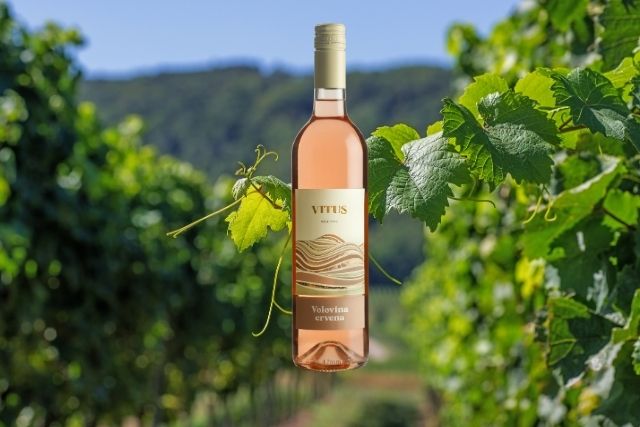
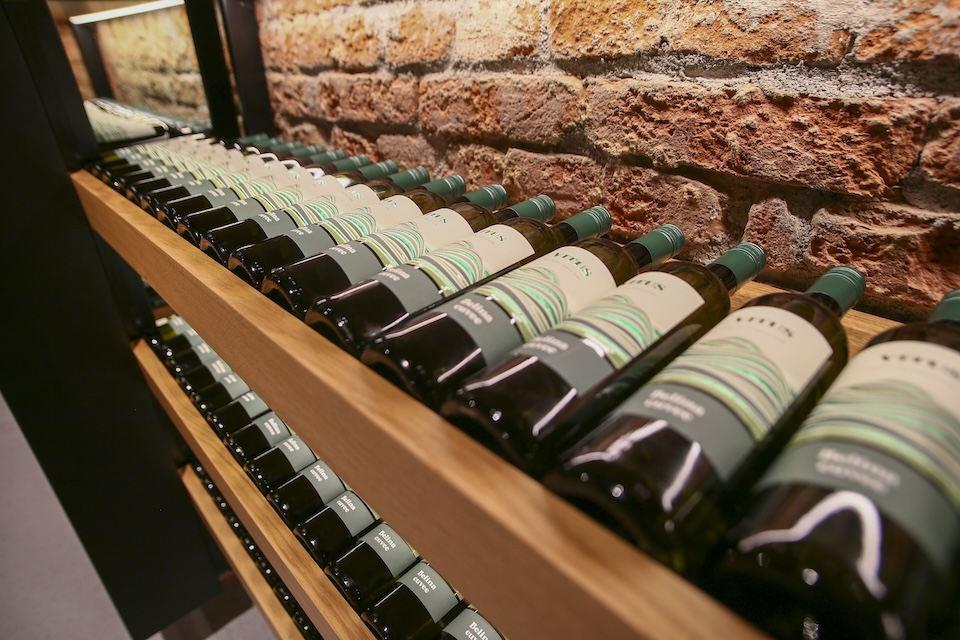
Our archive cellar holds belina starohrvatska, belina svetokriška, Belina Cuvée, modra kosovina, volovina crvena and Albuelis. Each moves at its own pace, and that pace is set by the variety, the vintage and the winemaking rather than by us.
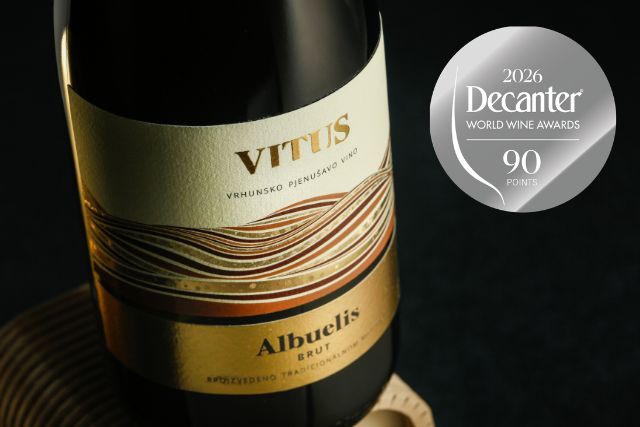
Albuelis sparkling wine: eighteen months on the lees
Albuelis is the one bottle in this cellar that does not merely rest here. It is finished here.
We make it by the classic method, meaning the second fermentation takes place inside the bottle rather than in a tank. It works like this. The base wine, a blend of belina starohrvatska and dišeća ranina, is bottled together with a small measure of sugar and selected yeast. The bottle is sealed with a crown cap and laid down in the cellar. The yeast goes to work, converting sugar into alcohol and carbon dioxide, and since the gas has nowhere to escape, it dissolves into the wine under pressure. That is where the bead comes from.
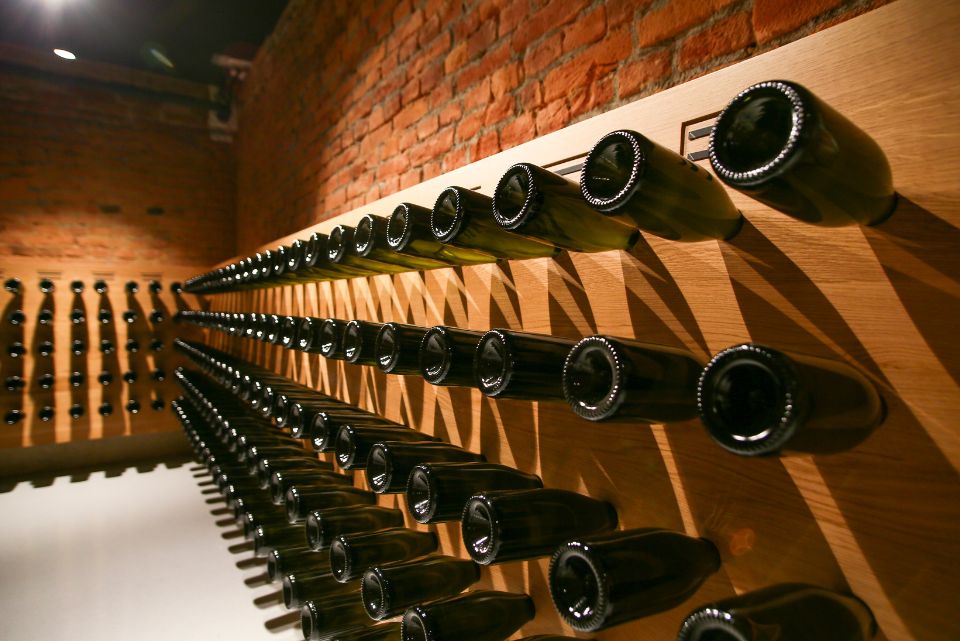
Once the sugar is gone the yeast dies and settles against the glass, and the longest part of the process begins. The dead yeast cells break down gradually, in a process called autolysis, releasing mannoproteins and amino acids into the wine. This gives more than aromas of bread, brioche and hazelnut; above all it gives body and a finer bubble. The bead becomes smaller and more persistent, the texture fuller.
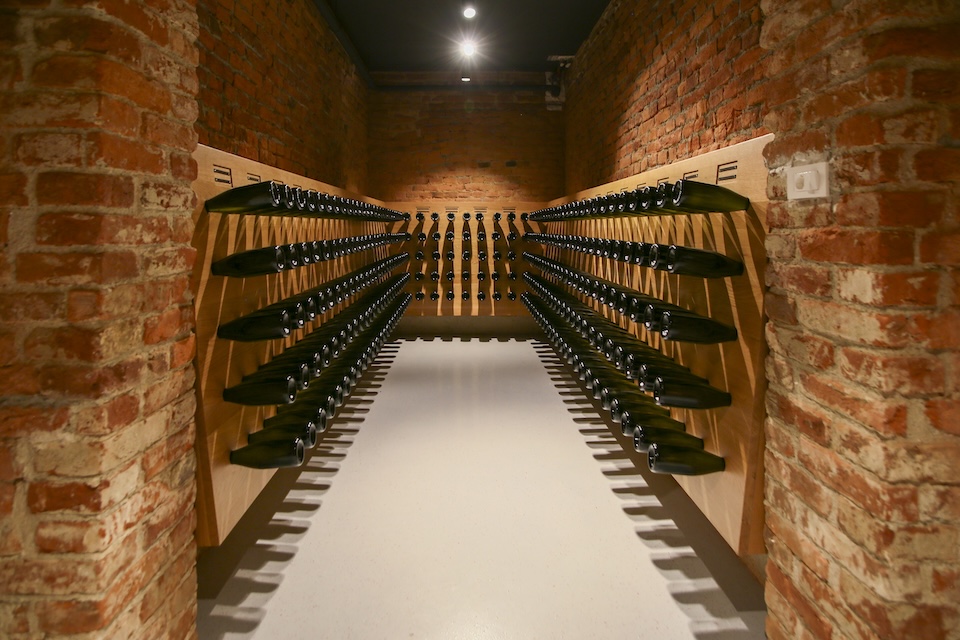
Autolysis cannot be hurried. Albuelis therefore stays on its lees for at least eighteen months before we begin finishing it at all. After that comes riddling, the gradual turning and tilting that draws the sediment into the neck, followed by disgorgement, when that sediment is expelled and the bottle receives its final cork.
Those eighteen months are the one part of production that cannot be accelerated. They can only be waited out.
Why some wine bottles wait longer than others
There is no single answer, and saying so is more honest than inventing a rule. How long a wine can wait depends on its acidity, on the quantity and quality of its tannins, on the vintage, and on whether it was made to be drunk young or built to last.
Part of our cellar is therefore in constant circulation, and those bottles move out relatively quickly. Another part sits untouched. We do not yet know when we will open the first vertical of belina starohrvatska. We only know that the wine will make that decision, not the calendar.
The cellar opens to guests as well
As the opening approaches, this space stops being something we are working on and becomes something that does its own work.
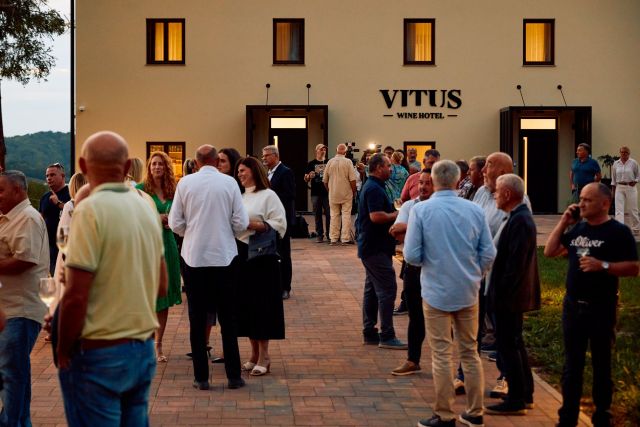
When Hotel Vitus opens, we will open the cellar for guided tours. Groups will be kept small, with an explanation of how our wines are made and a tasting on the spot. Dates and details will follow shortly.