The Return of Old Grape Varieties
At the beginning of the 2000s, in the vineyards of Zagorje, only individual vines of old grape varieties remained - scattered, unmarked, often without a name. A team of experts from the Faculty of Agriculture, together with Krapina-Zagorje County and local winegrowers, set out into the vineyards to determine what of that heritage had survived.
They identified fifty-four varieties and began a story that continues to this day.
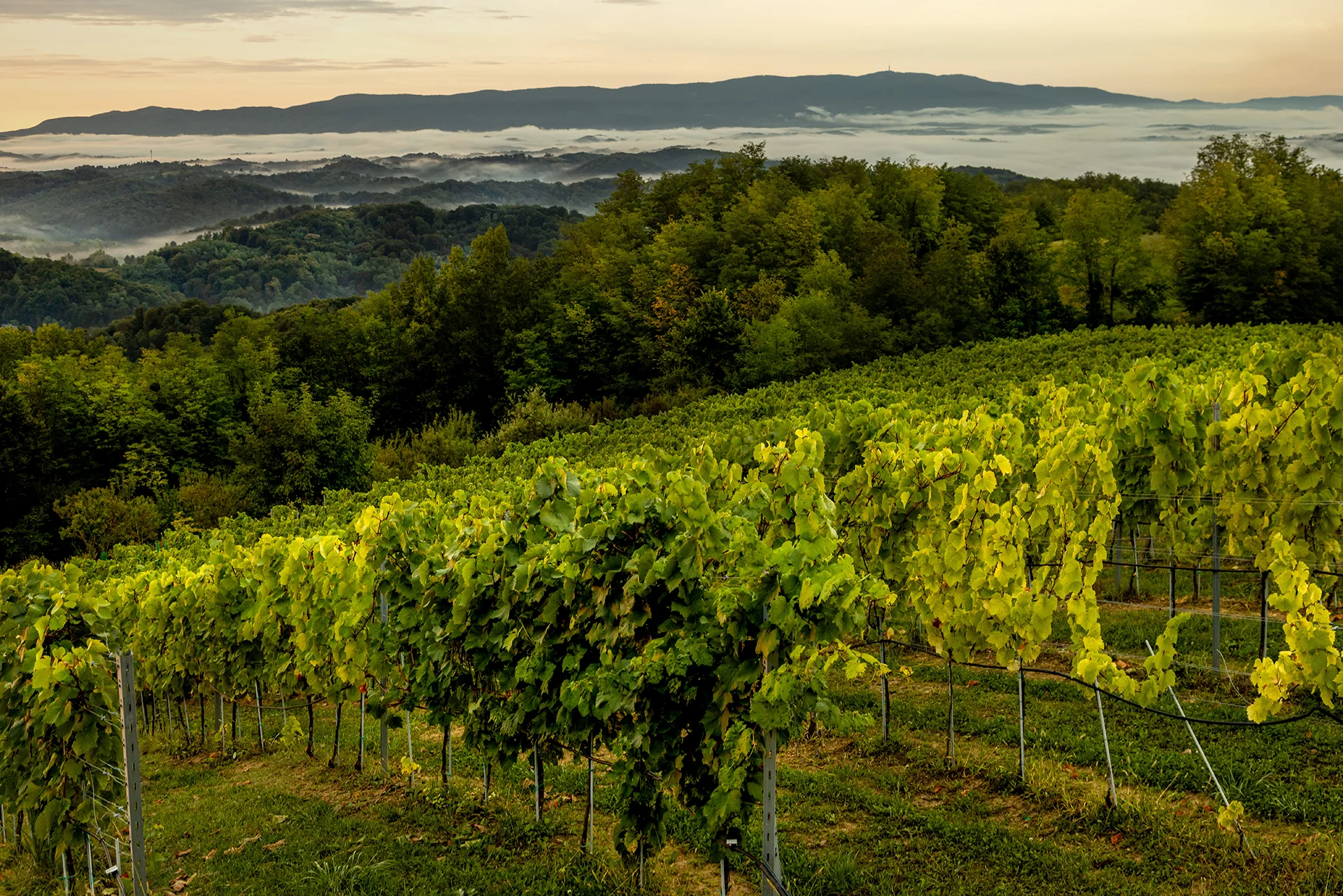
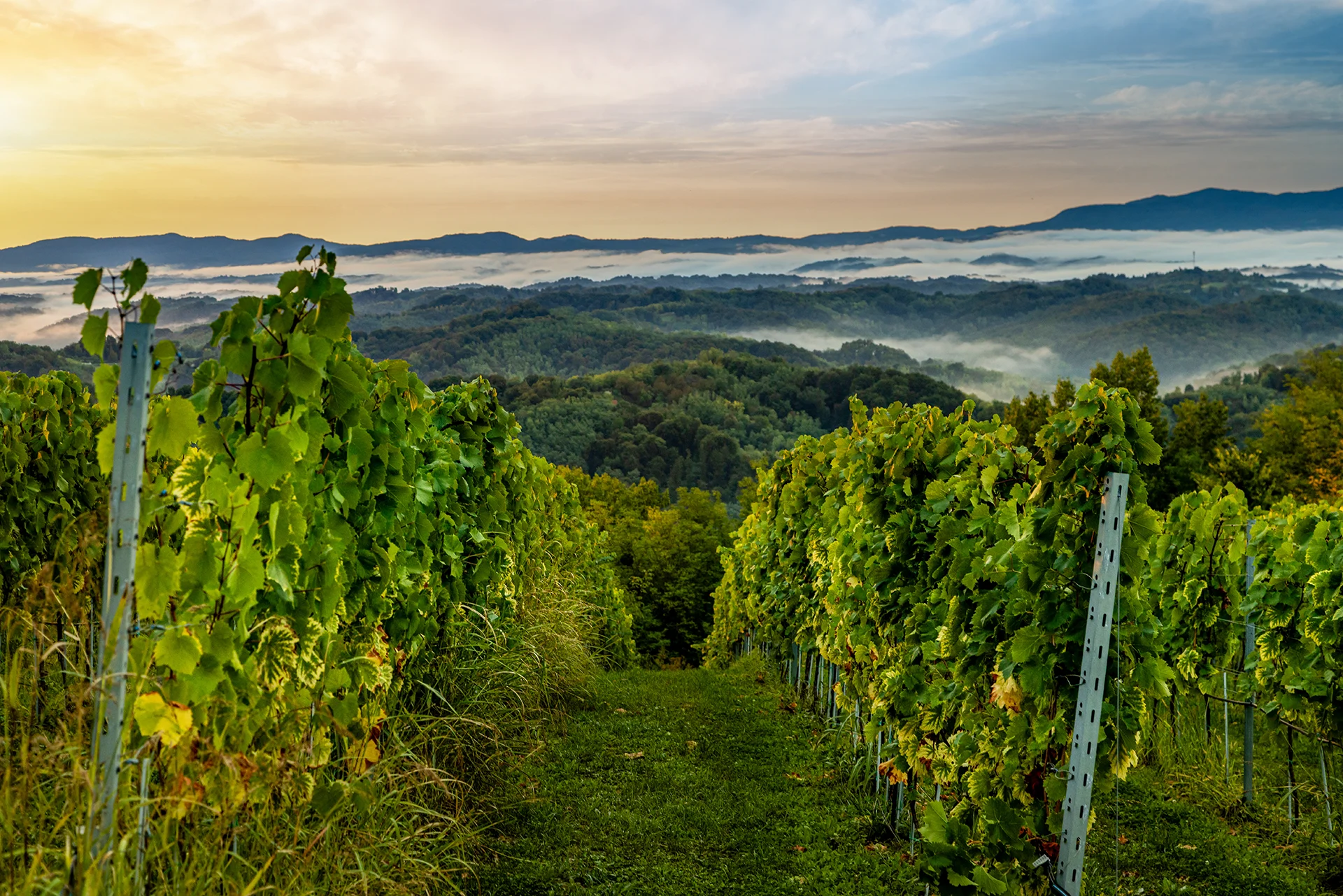
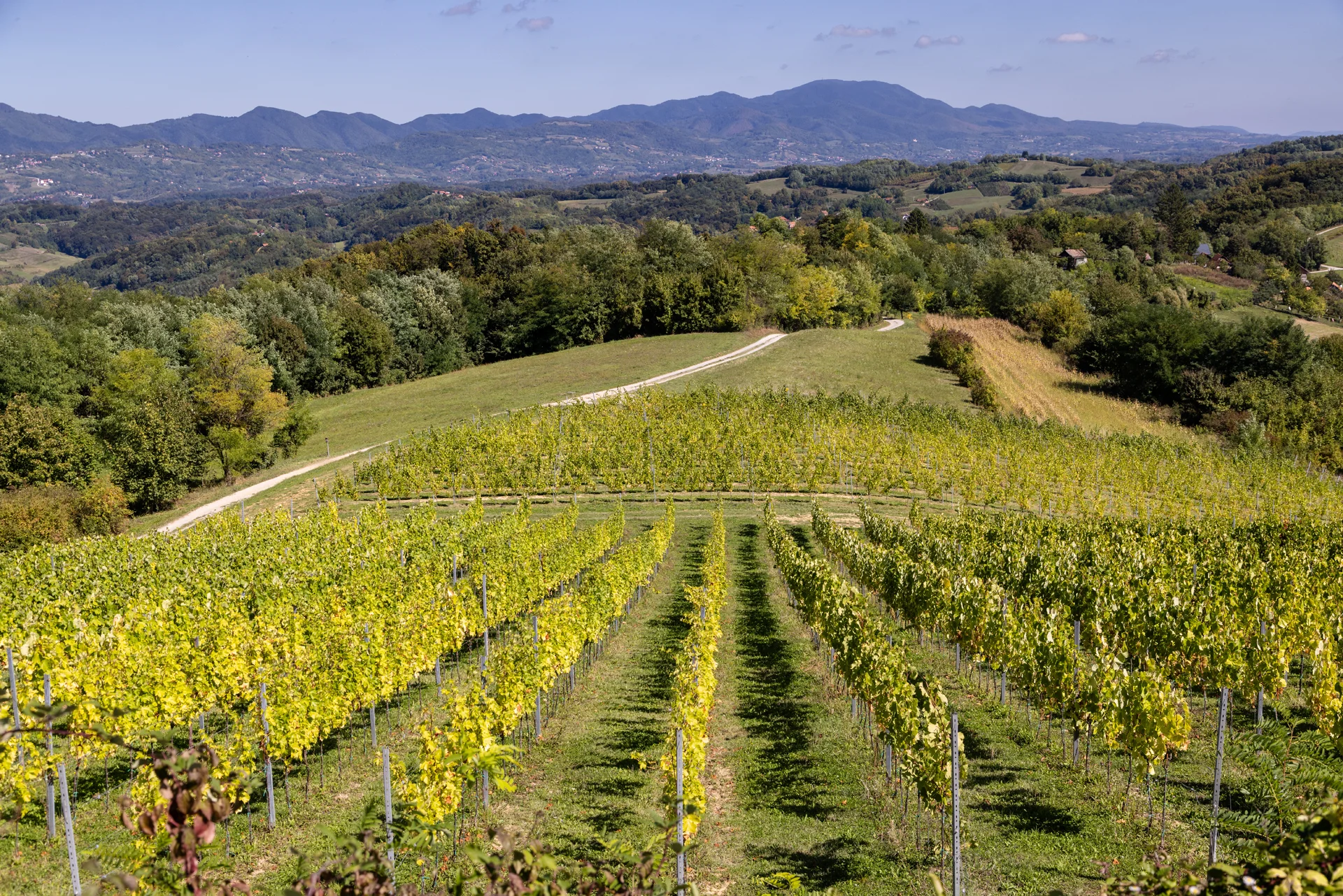
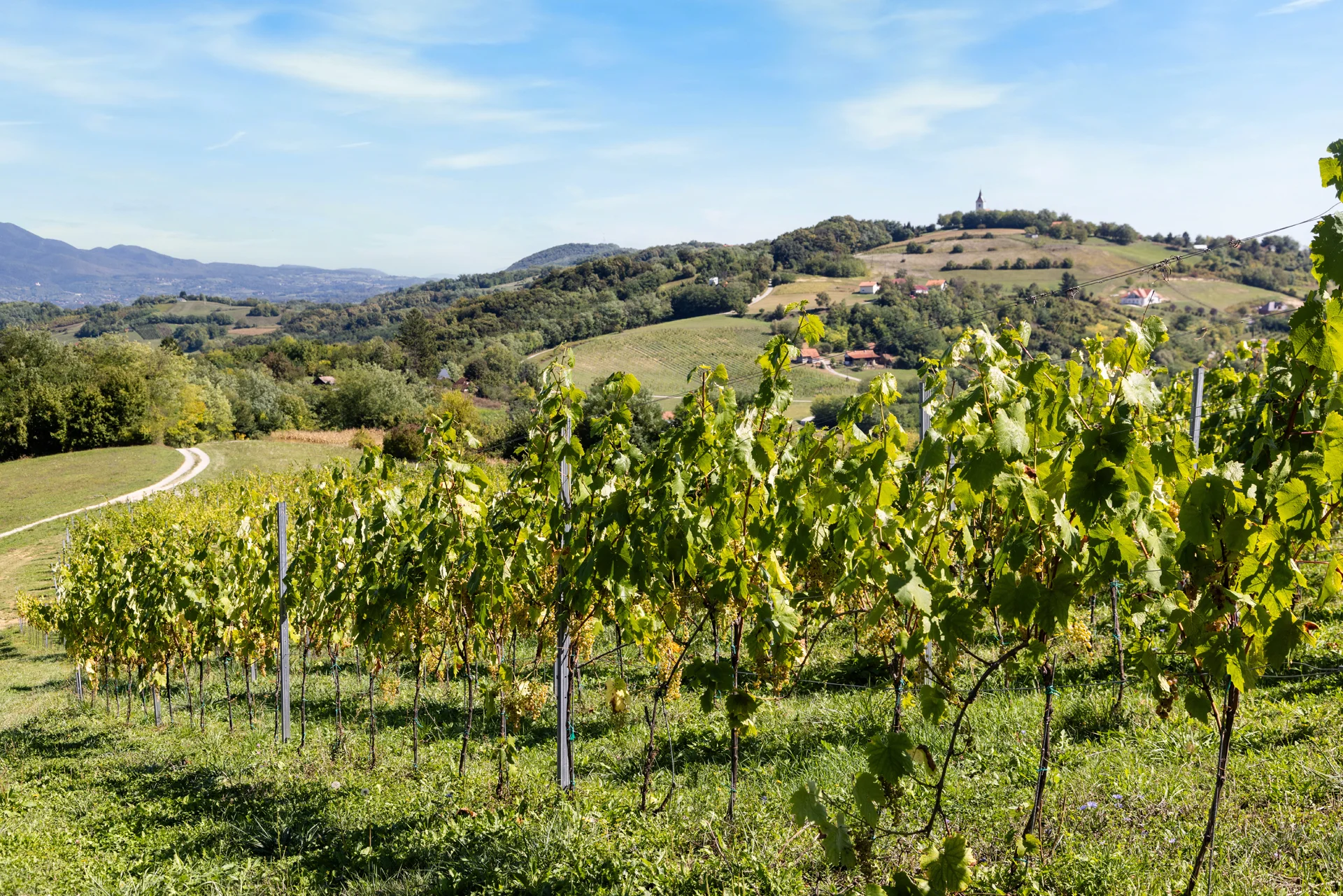
In Hrvatsko zagorje, the vine has always been part of the landscape — present in every view of its surrounding hills, beside houses and vineyard cottages, in every conversation about the year and the harvest. Generations grew up with pergolas and harvests, with varieties whose names were never written down because everyone knew them. And then, slowly and without noise, those varieties began to disappear.
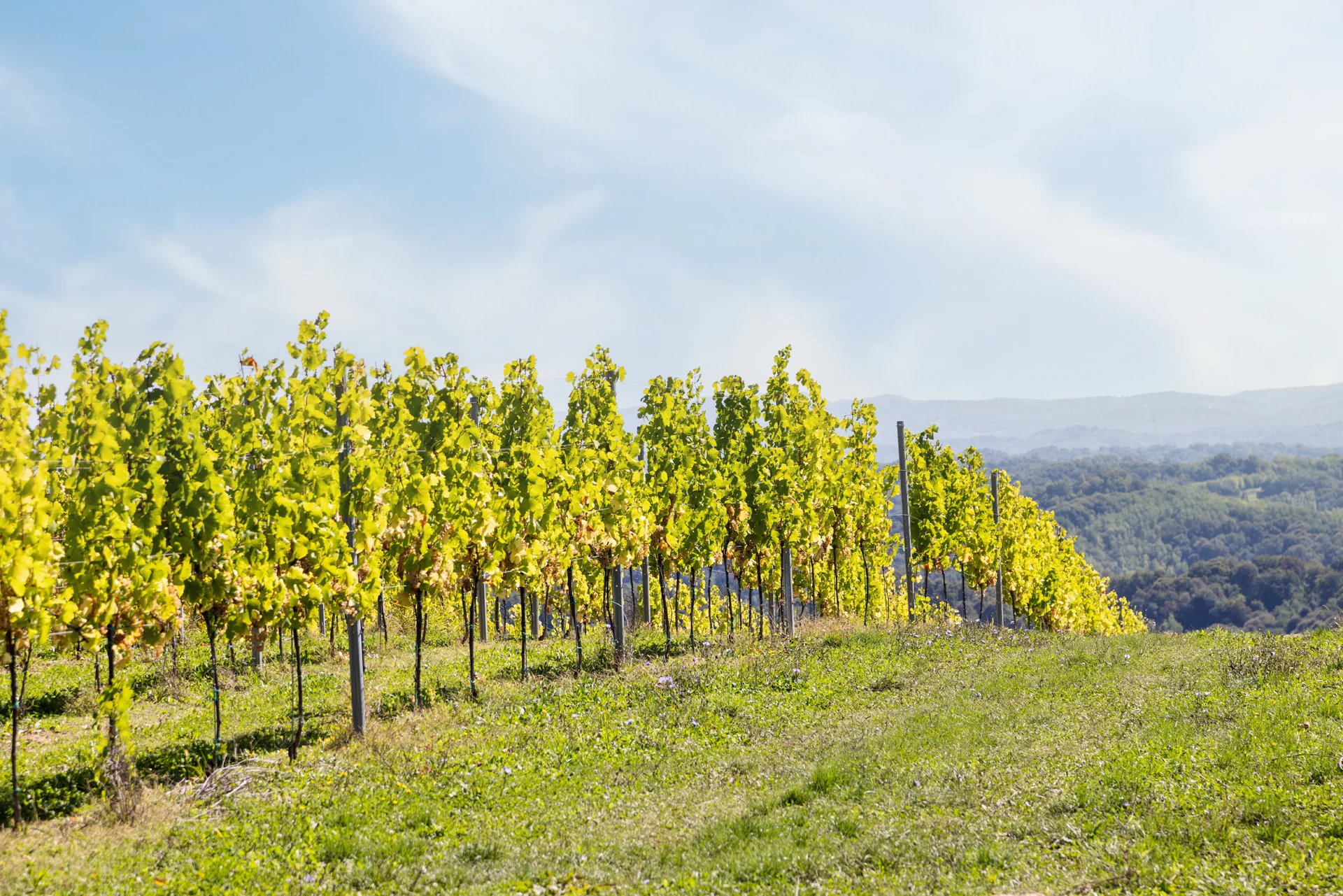
They were first struck down at the end of the 19th century by phylloxera, along with diseases that arrived with American rootstocks. Vineyards were renewed slowly, and in that renewal, newer varieties were given priority — more recognisable on the market and easier to cultivate. Old indigenous varieties were pushed aside, and over time, into the background. Throughout the 20th century, they disappeared from vineyards one by one, quietly and without record. By the early 2000s, what had once been richness was reduced to individual vines scattered across neglected vineyards, with owners often unaware of what was growing in their rows.
Out of a desire to preserve what had not yet been lost, in 2006 the project for the protection and revitalisation of indigenous grape varieties of Hrvatsko zagorje was established - a joint initiative of the Faculty of Agriculture of the University of Zagreb, Krapina-Zagorje County, and local winegrowers.
Restoring Identity
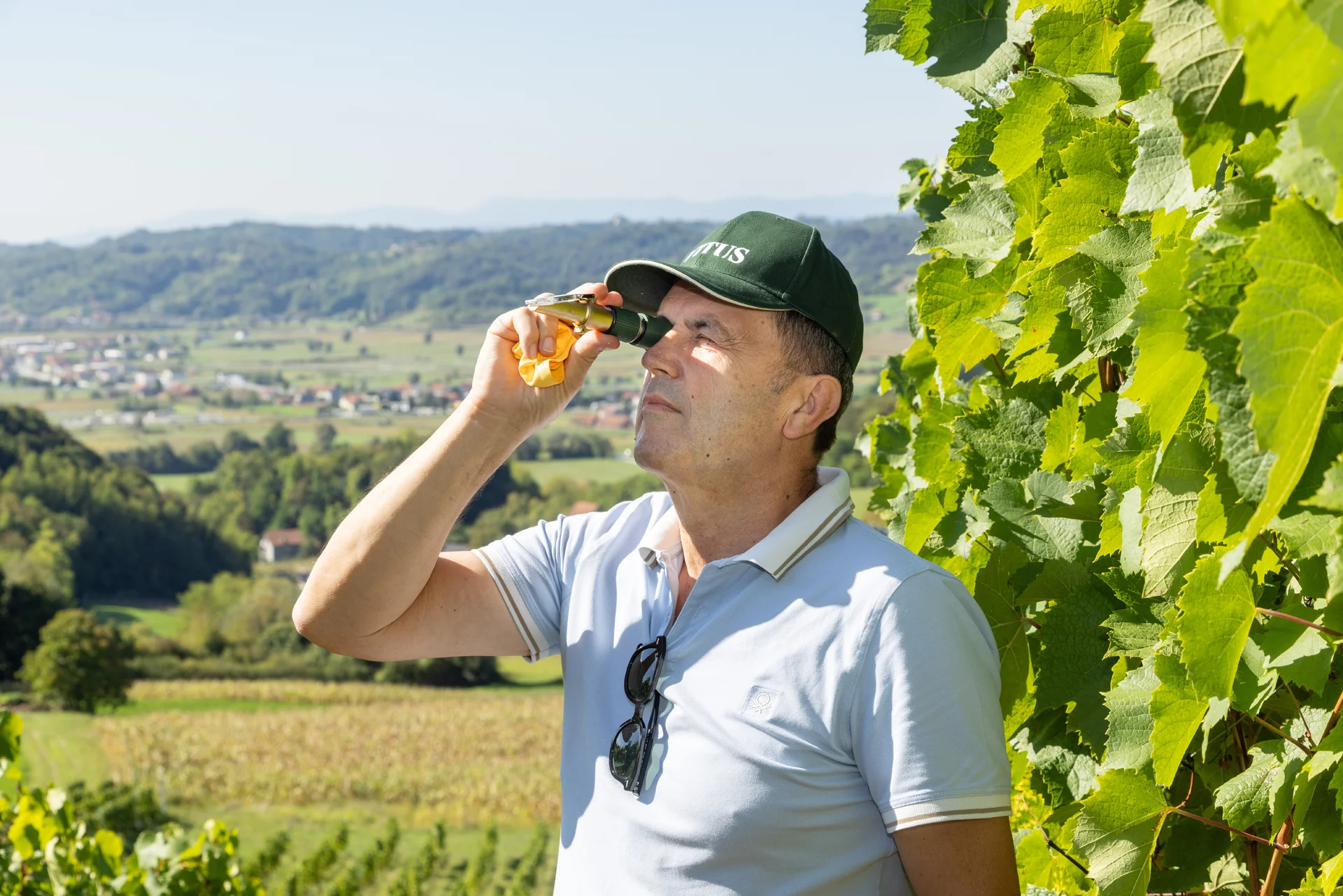
At the centre of the project from the very beginning was Prof. Edi Maletić of the Faculty of Agriculture in Zagreb - an ampelographer and geneticist who, together with his colleagues and a broad team of experts, travelled across Zagorje in search of what had survived in old vineyards. The work was patient and demanding: vine by vine, vineyard by vineyard, plot by plot. Many vineyards were neglected, varieties mixed, and local names confusing - the same variety could have three different names in three neighbouring villages.
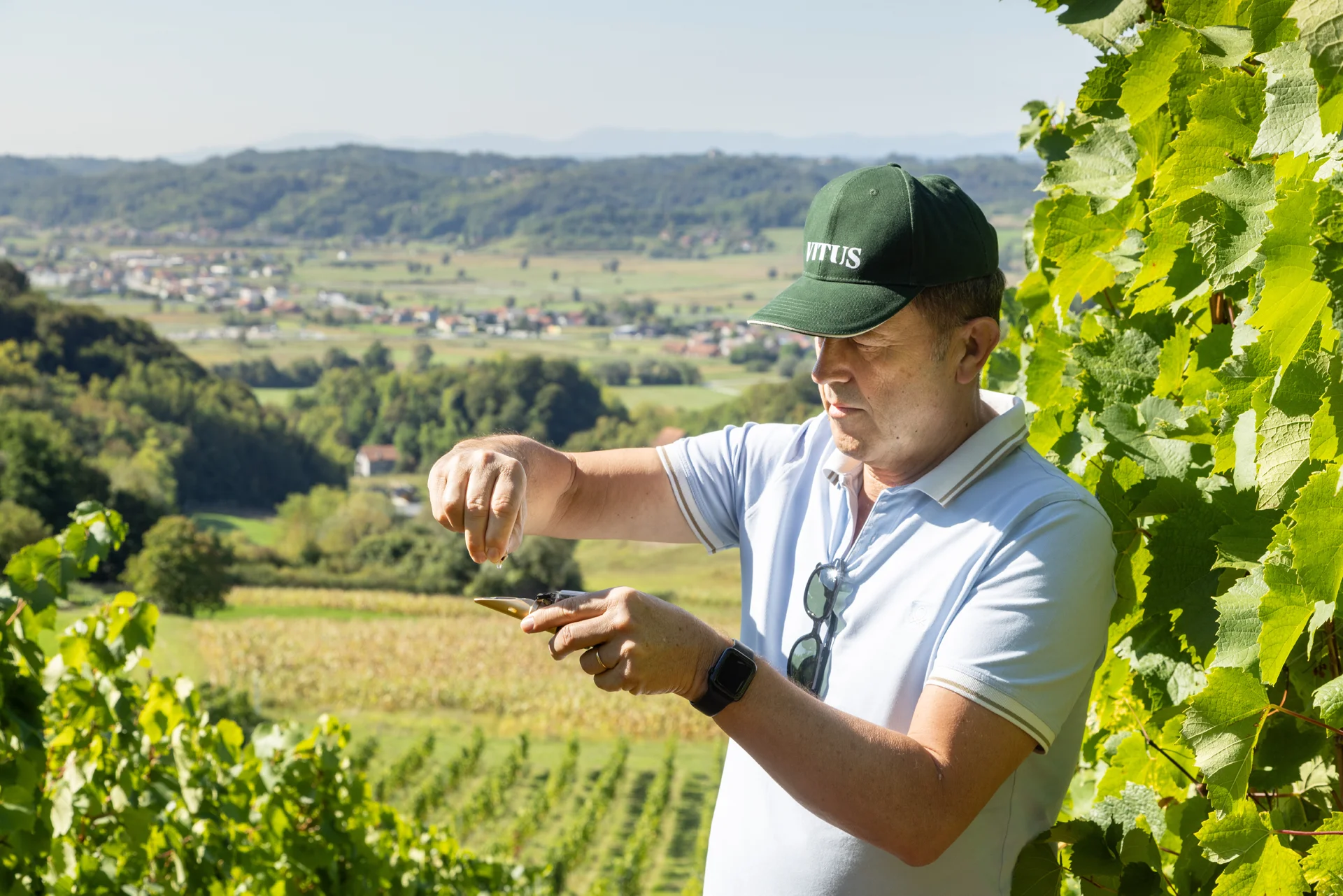
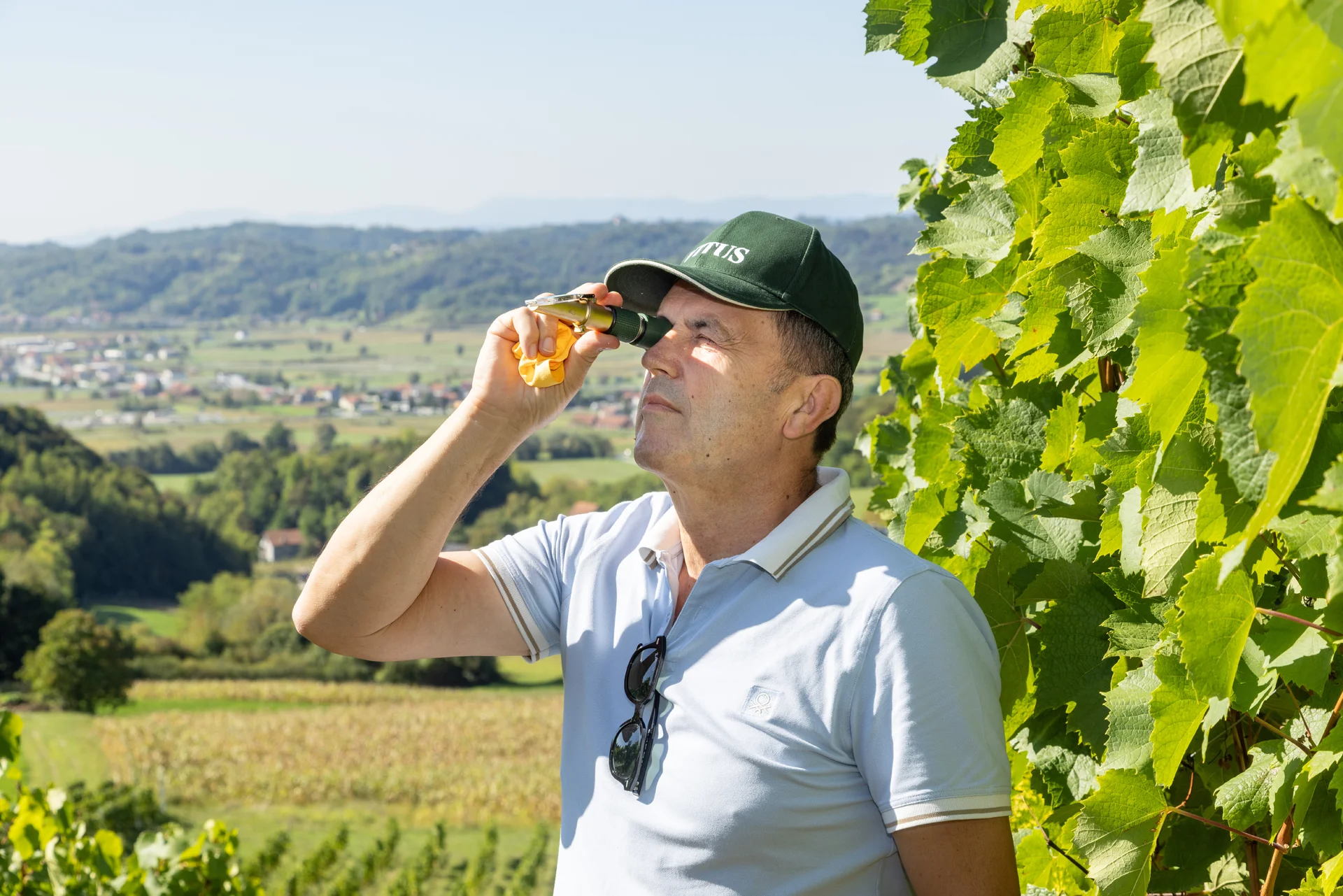
dr. sc. Edi Maletić
The team carried out genetic identification of the discovered vines and achieved what had not been done before: clearly determining which varieties were truly indigenous, which had been introduced, and which deserved revitalisation. The result was remarkable: fifty-four grape varieties were identified in the Hrvatsko zagorje region, including those believed to have been lost forever.
How close they came to complete loss is shown by the case of Belina starohrvatska. A national scientific project that systematically surveyed Croatian vineyards from 2002 to 2006 did not find it, concluding that the variety had disappeared from production vineyards. Only with the launch of a project specifically focused on Hrvatsko zagorje in 2006, during detailed field inventory, was Belina identified in several locations - the most important being in the courtyard of Ljudevit Gaj in Krapina. An even more dramatic case was that of Modre kosovine. Only a single vine was found in an old vineyard near Zlatar, whose owner did not even know which variety it was. From such remnants - buds, cuttings, and careful propagation - the process of renewal began.
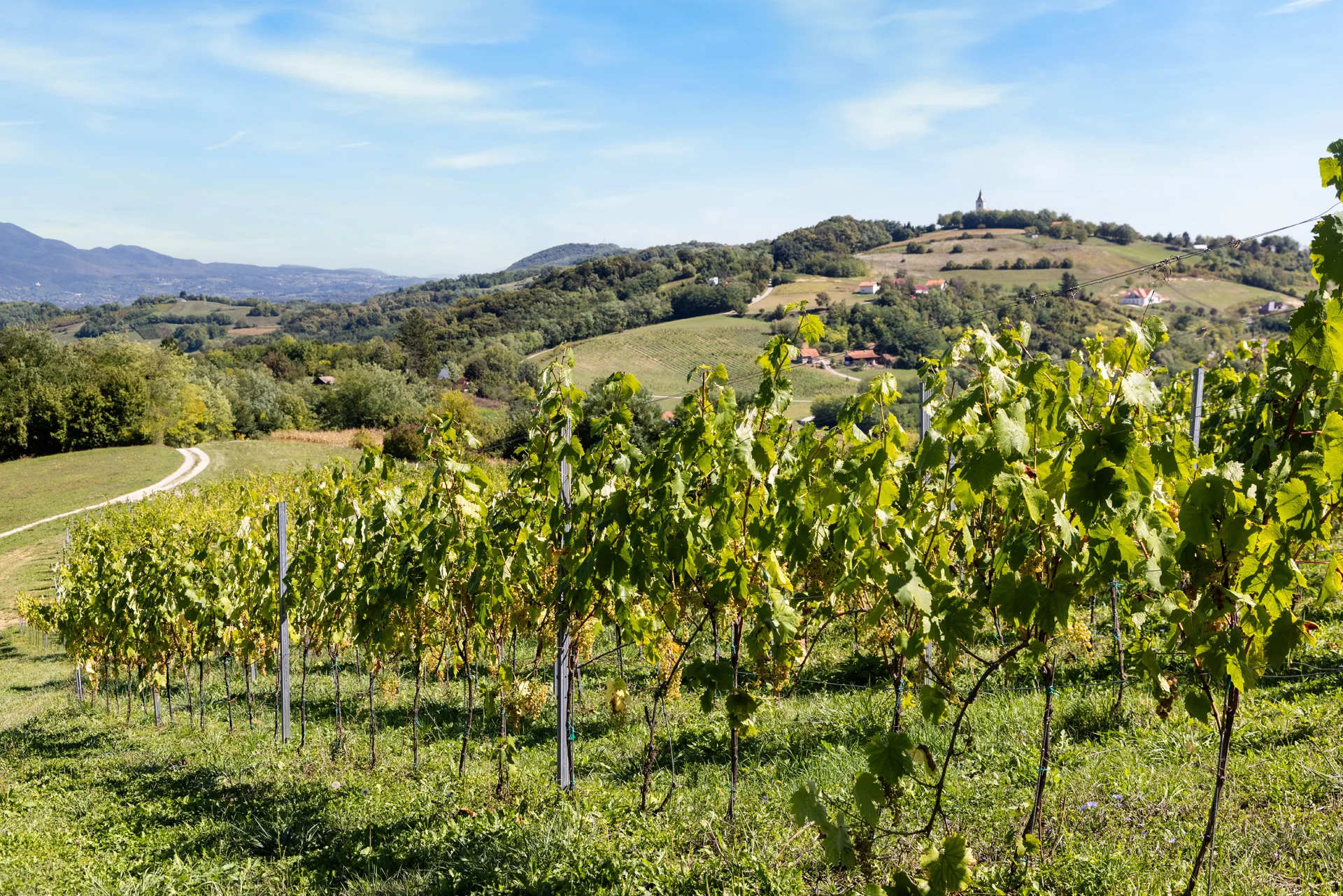
Research conducted within the project revealed something that resonated far beyond Zagorje: Belina starohrvatska, together with Pinot, is the genetic parent of as many as 16 French grape varieties, including Chardonnay, Riesling, Blaufränkisch, and Furmint. In total, its descendants include at least 81 varieties grown worldwide. According to one hypothesis, it was this very vine that the Roman emperor Marcus Aurelius Probus brought from Pannonia to Gaul in 280, after lifting the ban on vine cultivation outside Italy - suggesting that Belina is not only the genetic parent of Chardonnay, but also the vine through which viticulture from this region spread westward.
A variety that for generations had simply been part of everyday life proved to be one of the most influential in European viticulture.
From Laboratory to Vineyard
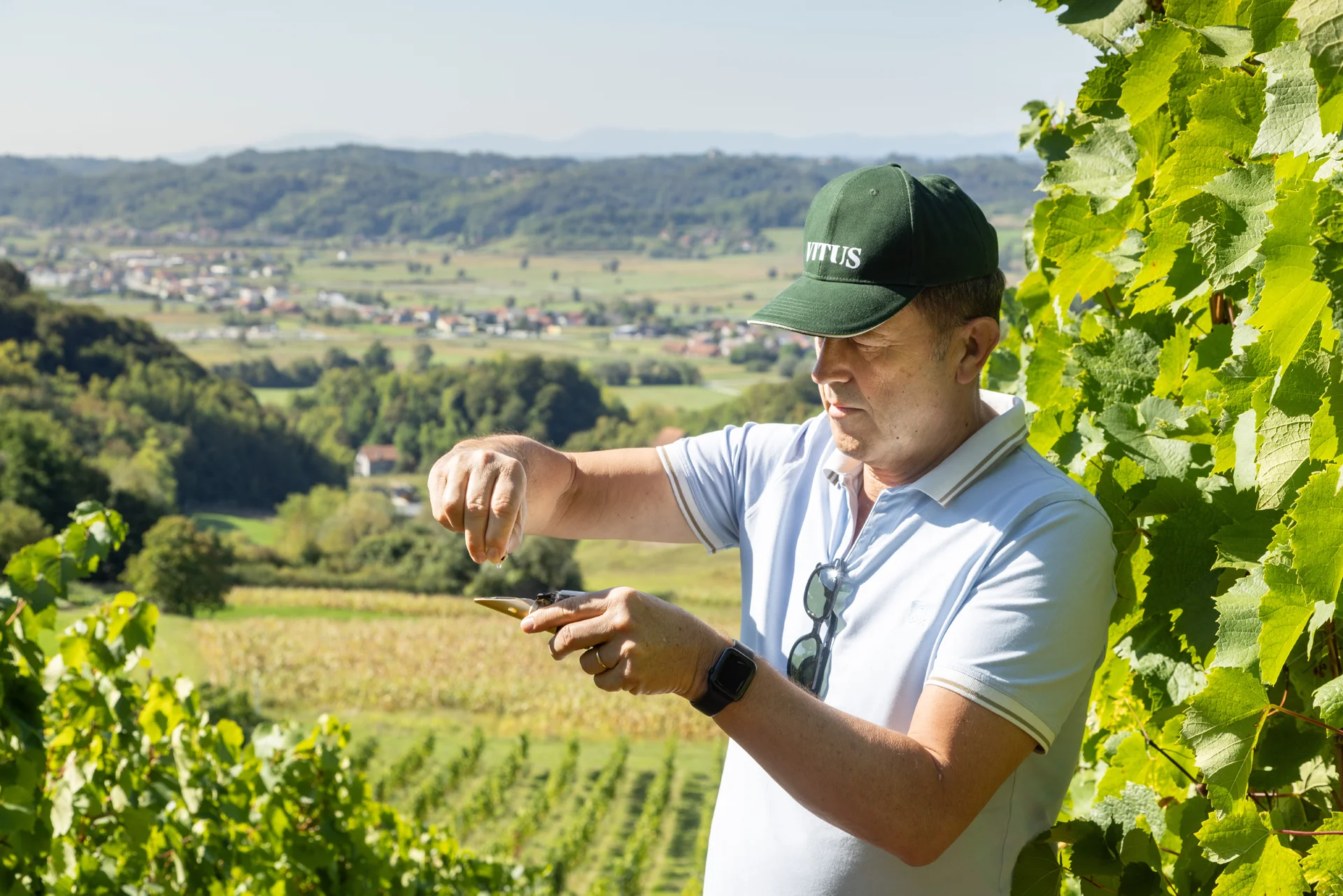
Finding the variety and confirming its identity was only the first step. A longer and more uncertain phase followed: establishing mother plantings for propagation, studying how each variety behaves under modern conditions, from vineyard to cellar, and selecting those with the greatest potential for a return to production.
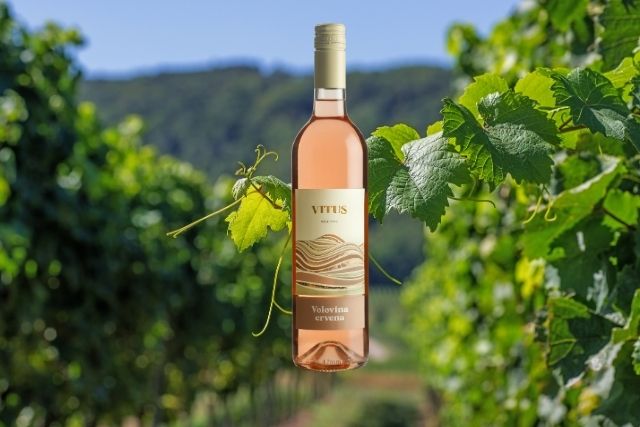
From this multi-year work, varieties emerged that proved capable of producing quality wine under contemporary conditions. Among the Belina group: Belina starohrvatska, Svetokriška belina, Belina mala, and Belina smudna. Among the red varieties: Modra kosovina and Volovina crvena.
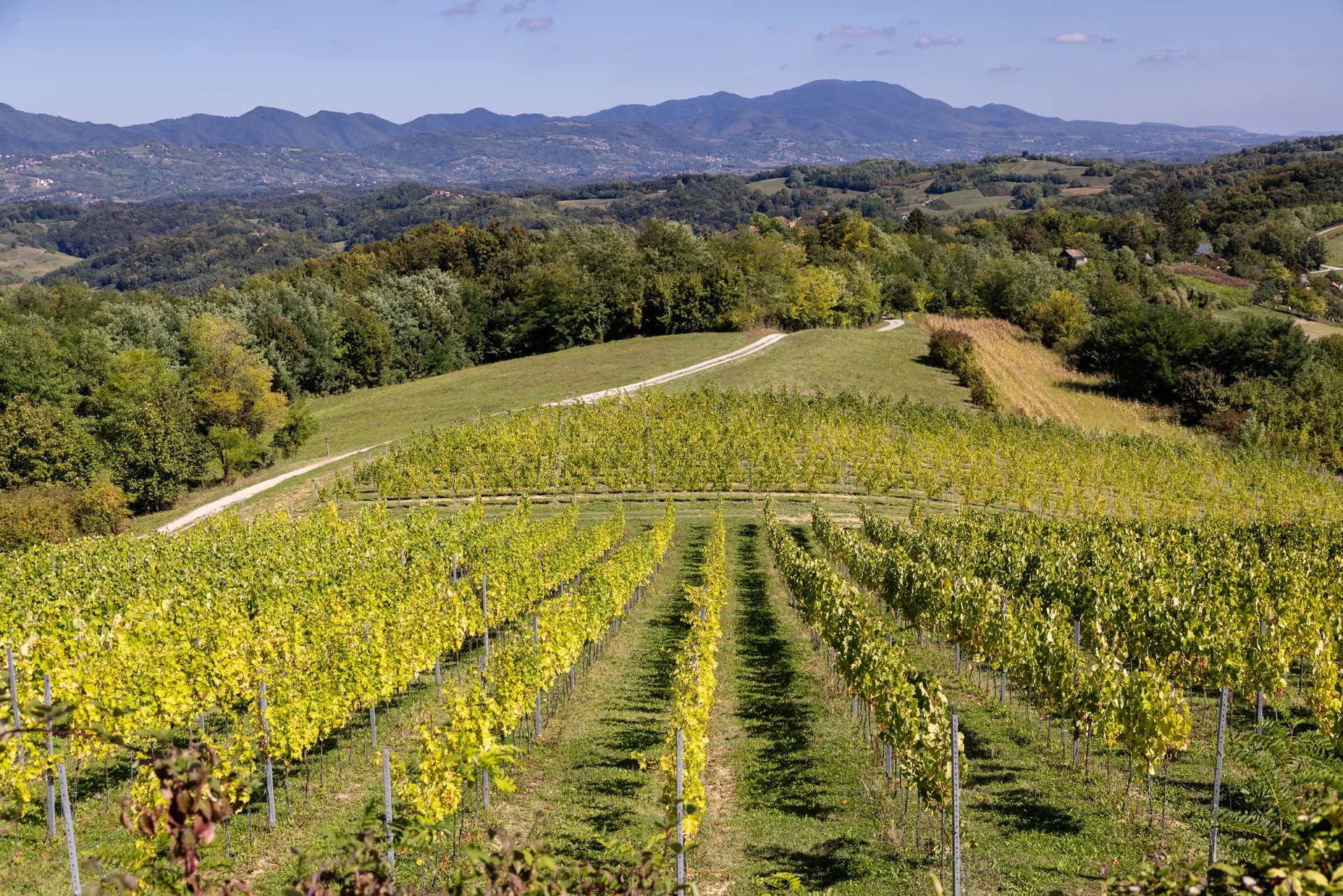
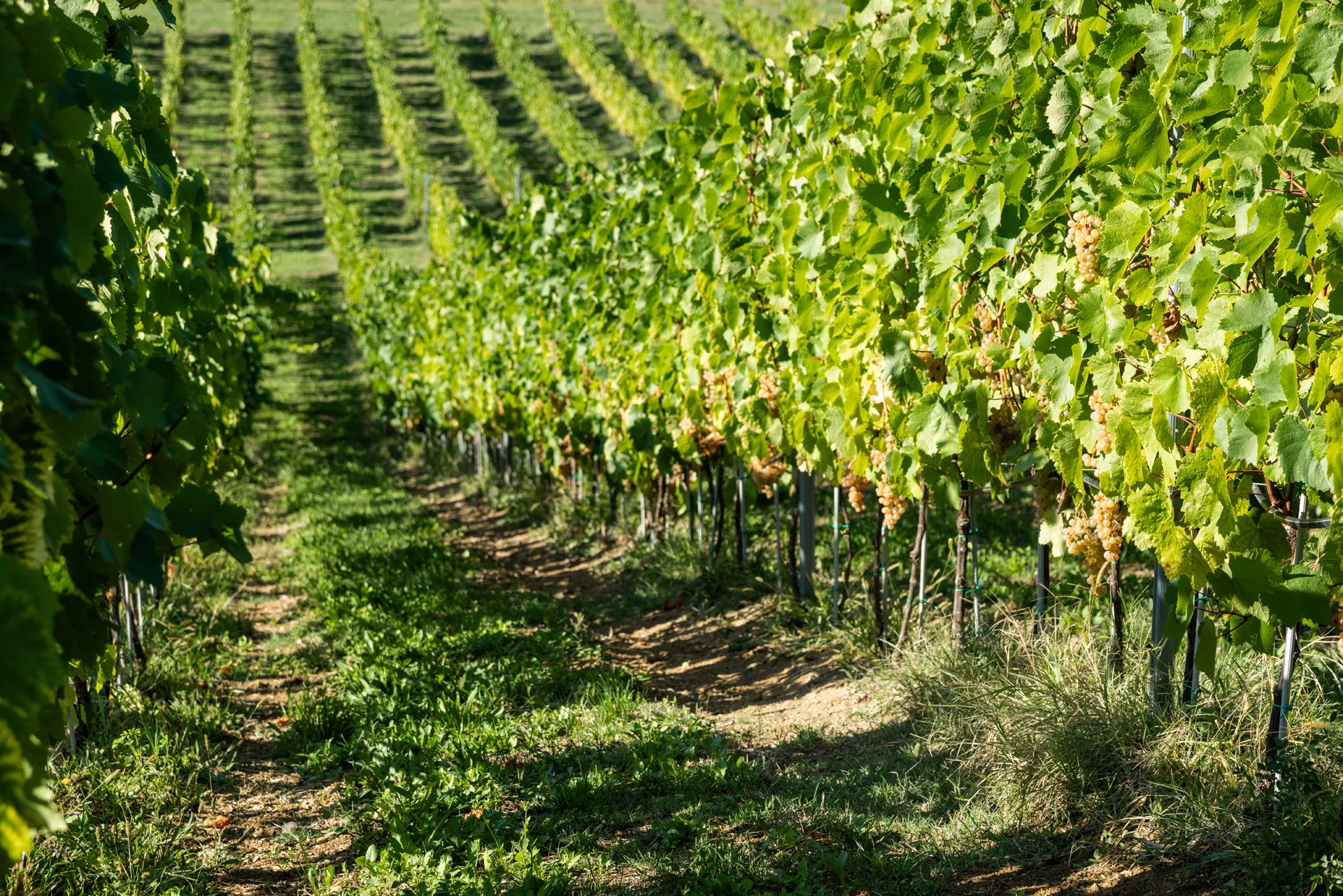
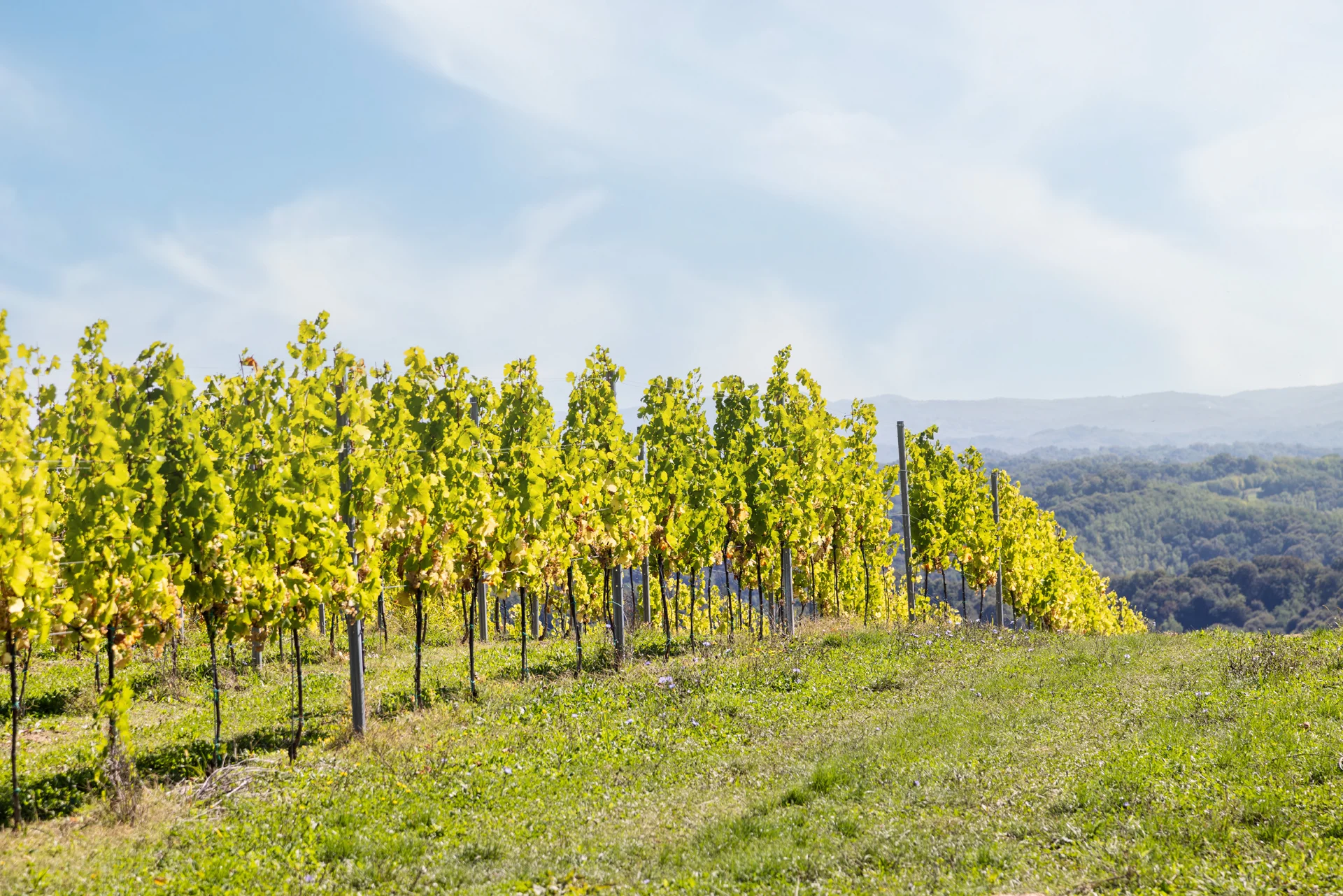
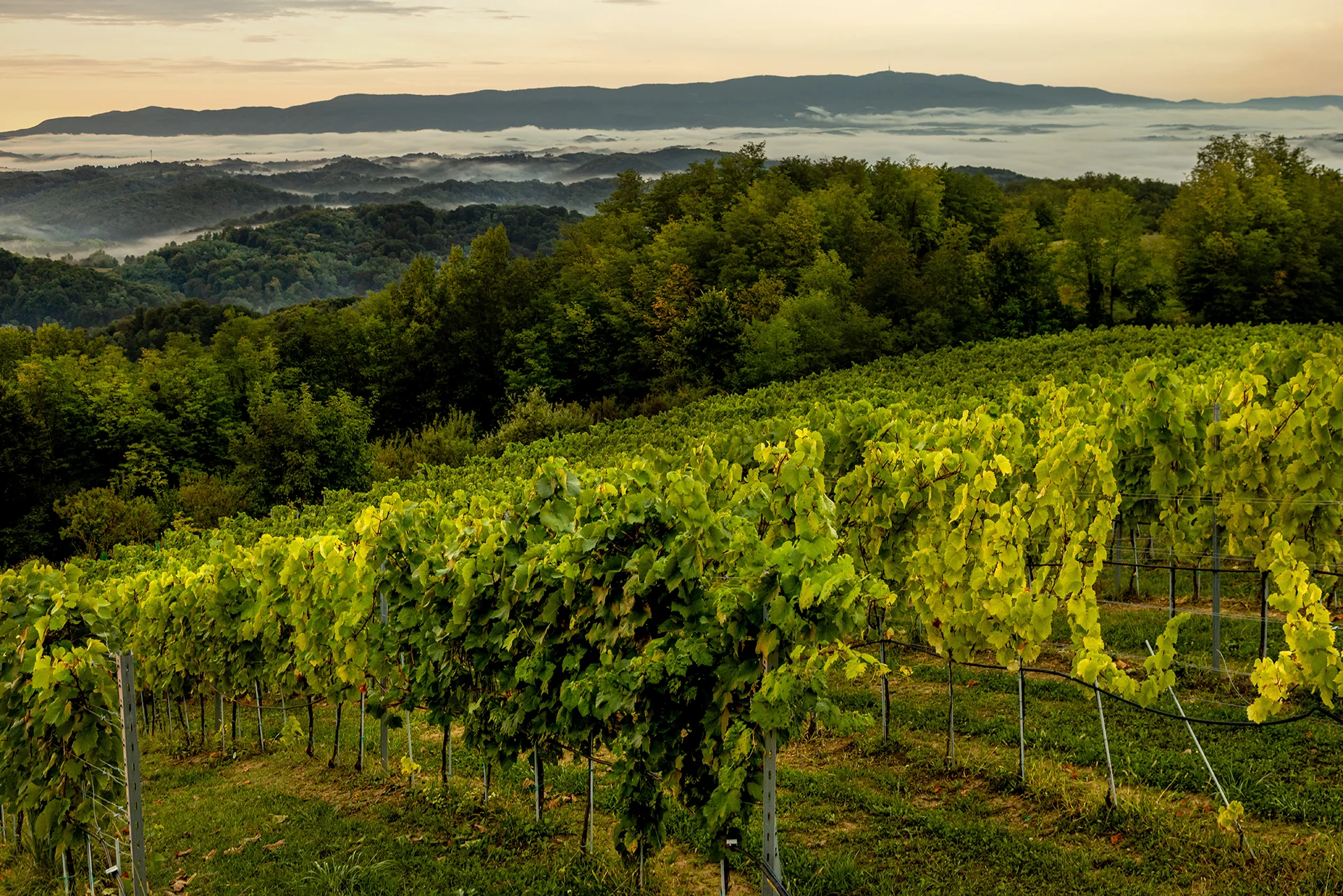
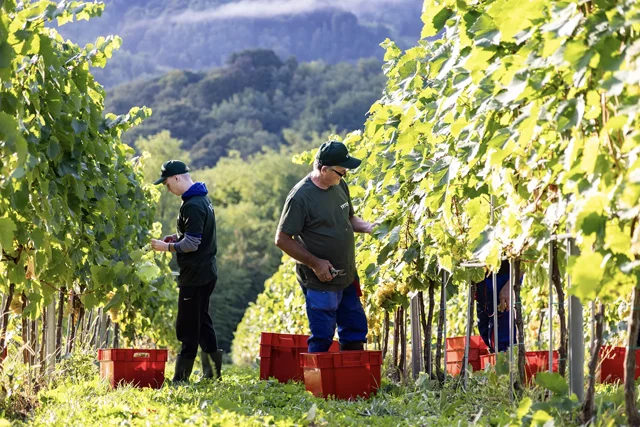
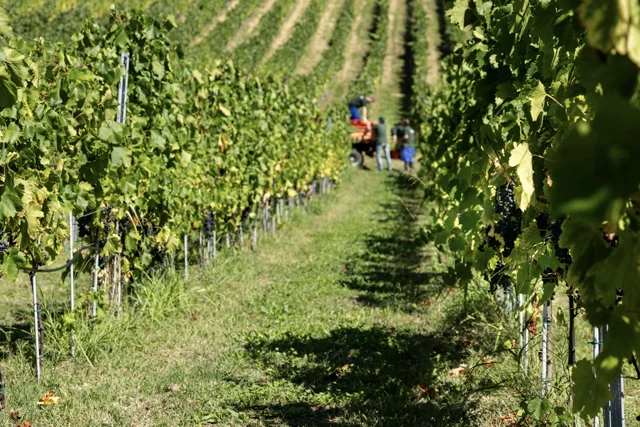
However, a mother planting and a collection vineyard are not the same as a bottle of wine on the table. The varieties needed someone who could provide what the laboratory could not — vineyards, capacity, and people to guide them year after year. This is where the Bratković family and Trgocentar entered the story. The first hectare of mother plantings was established, followed by vineyards of Belina, Volovina crvena, Modra kosovina, and Dišeća ranina. From the discovery of the first vines in old vineyards to today, an estate has taken shape with more than 10 hectares of vineyards, around 40,000 vines, and a winery named Vitus.
The entire process is documented in the professional publication Grape Varieties of Hrvatsko zagorje, which remains a key reference for anyone seeking to understand what Zagorje viticulture lost, and how much has been restored.
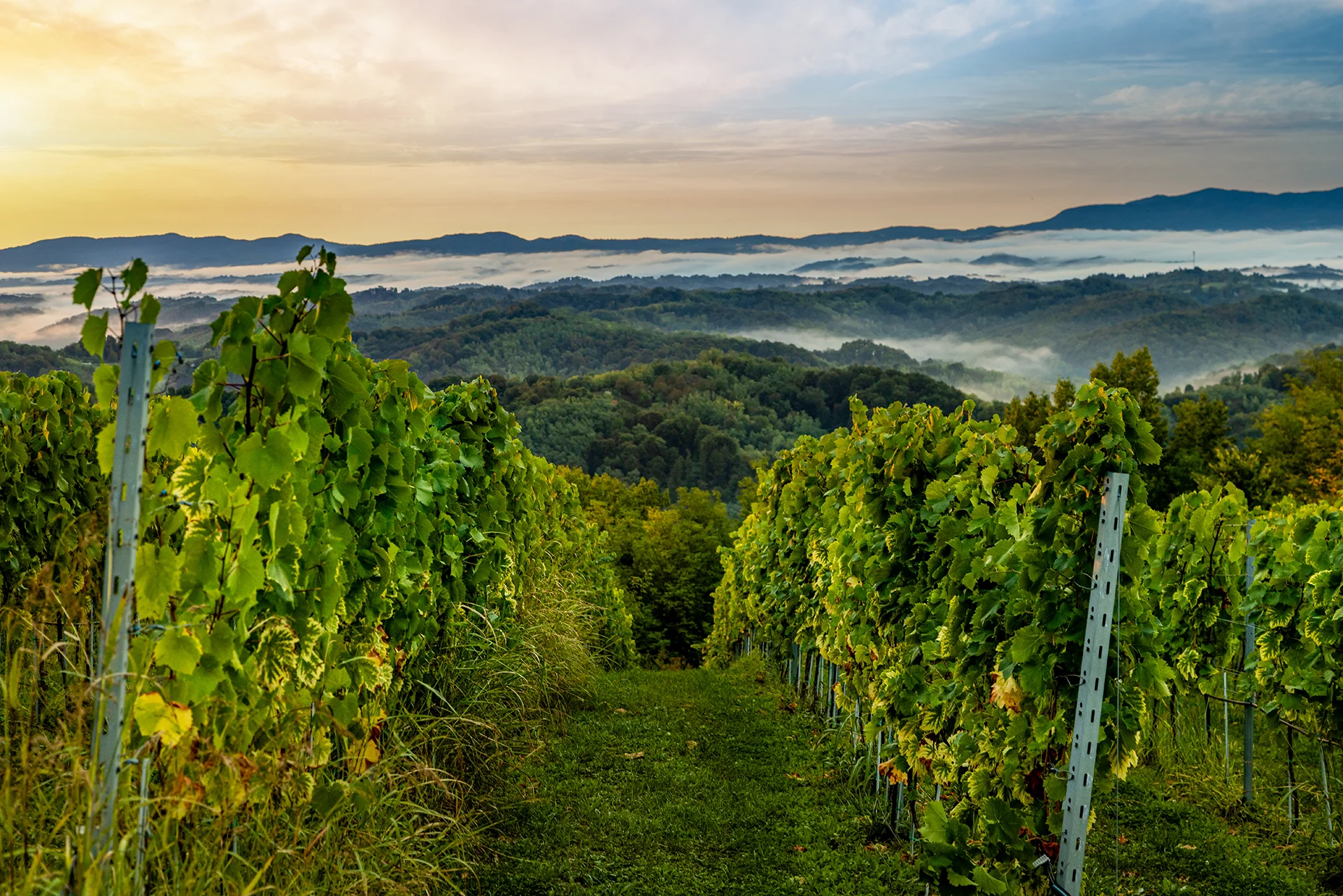
Fifty-four varieties identified over more than two decades of work, and a shared conviction that indigenous Zagorje grape varieties deserve more than a footnote in academic literature. Today, these varieties are once again present in our vineyards, in the cellar, and in the glass and the story that began with the discovery of a few vines in Gaj’s courtyard is still unfolding..