The Variety That Survived in a Single Vine
When a new edition of one of Europe’s most important atlases of grape varieties was published in 2001, a short note stood beside Modra kosovina: the variety was probably extinct. But the story turned out differently.
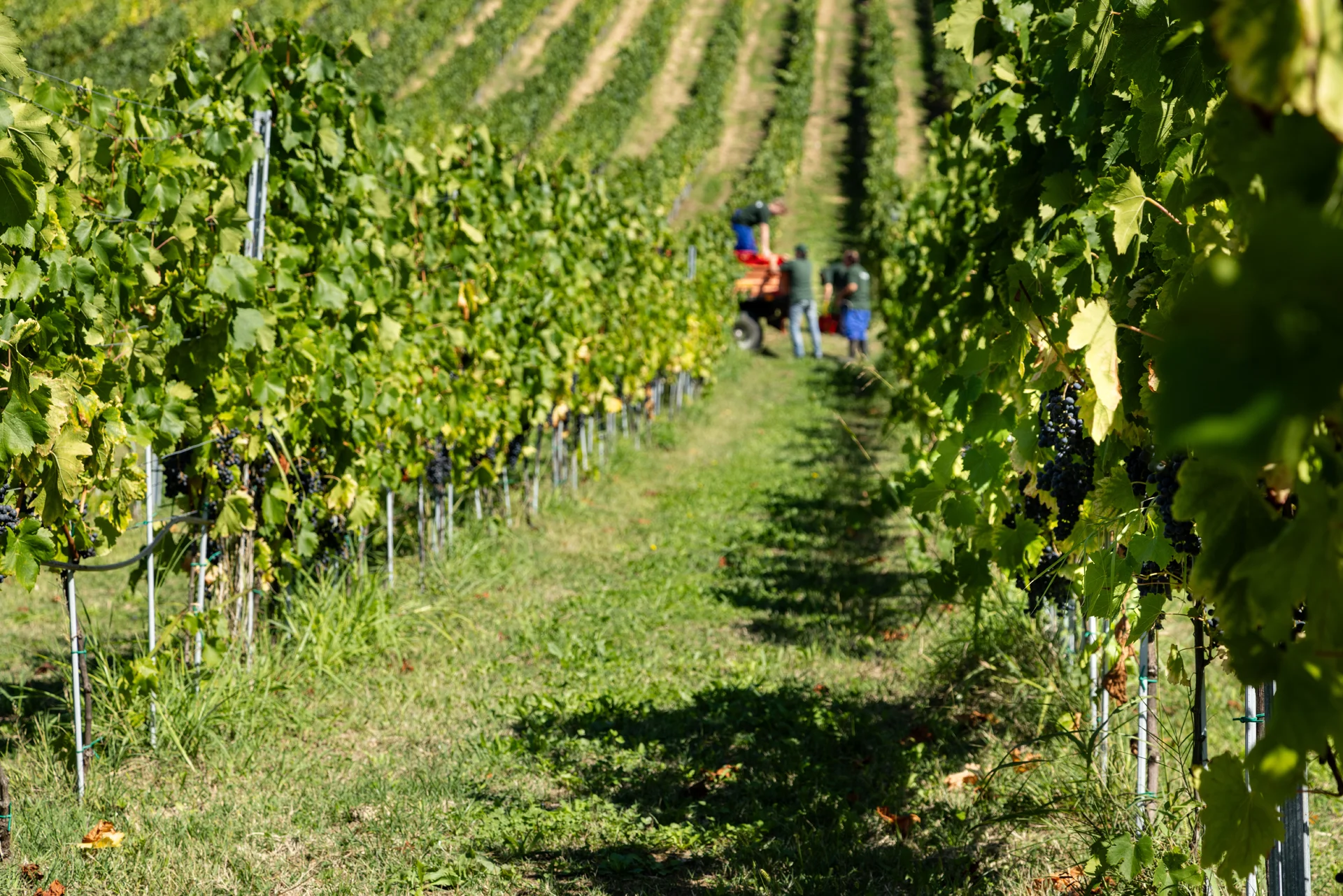
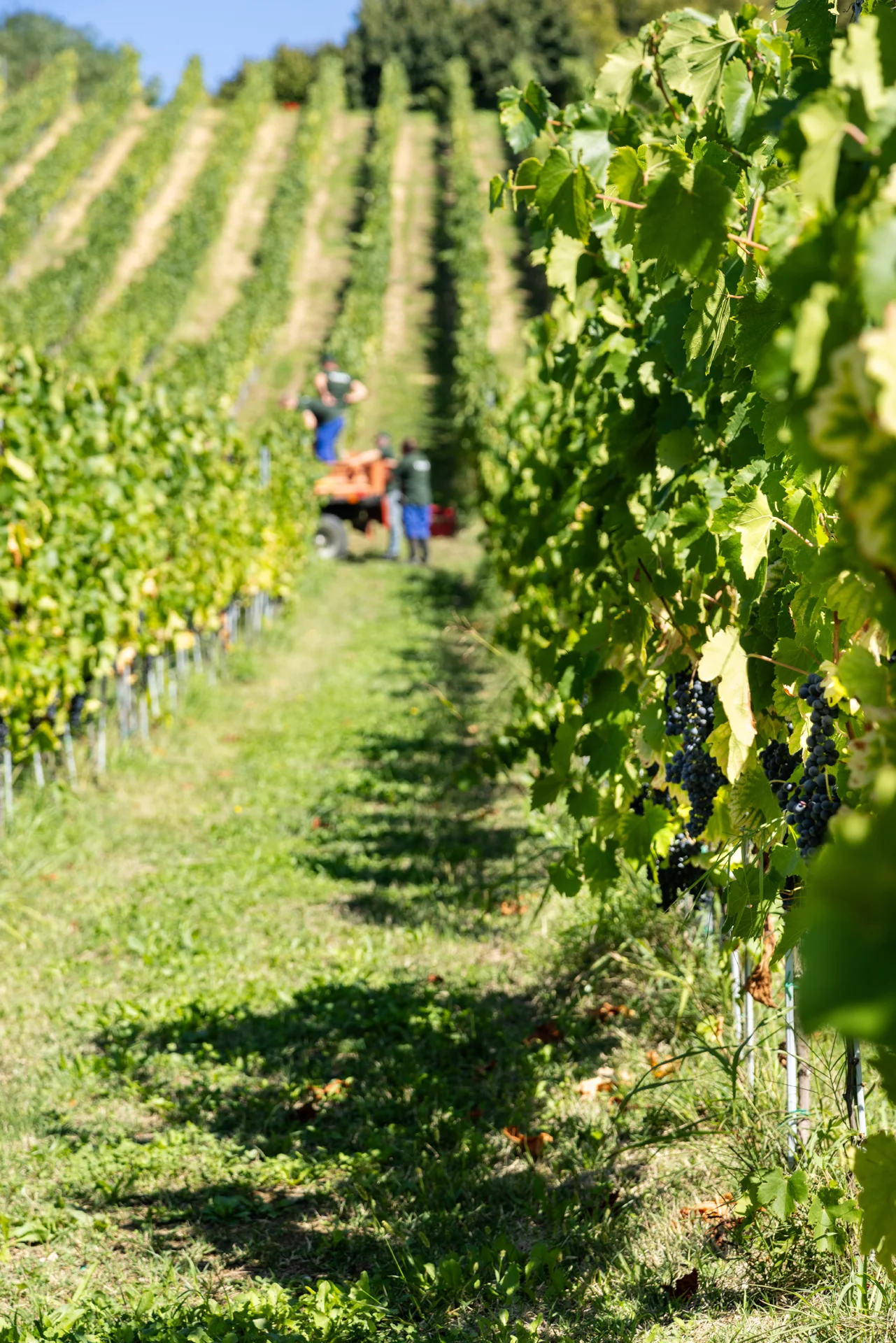
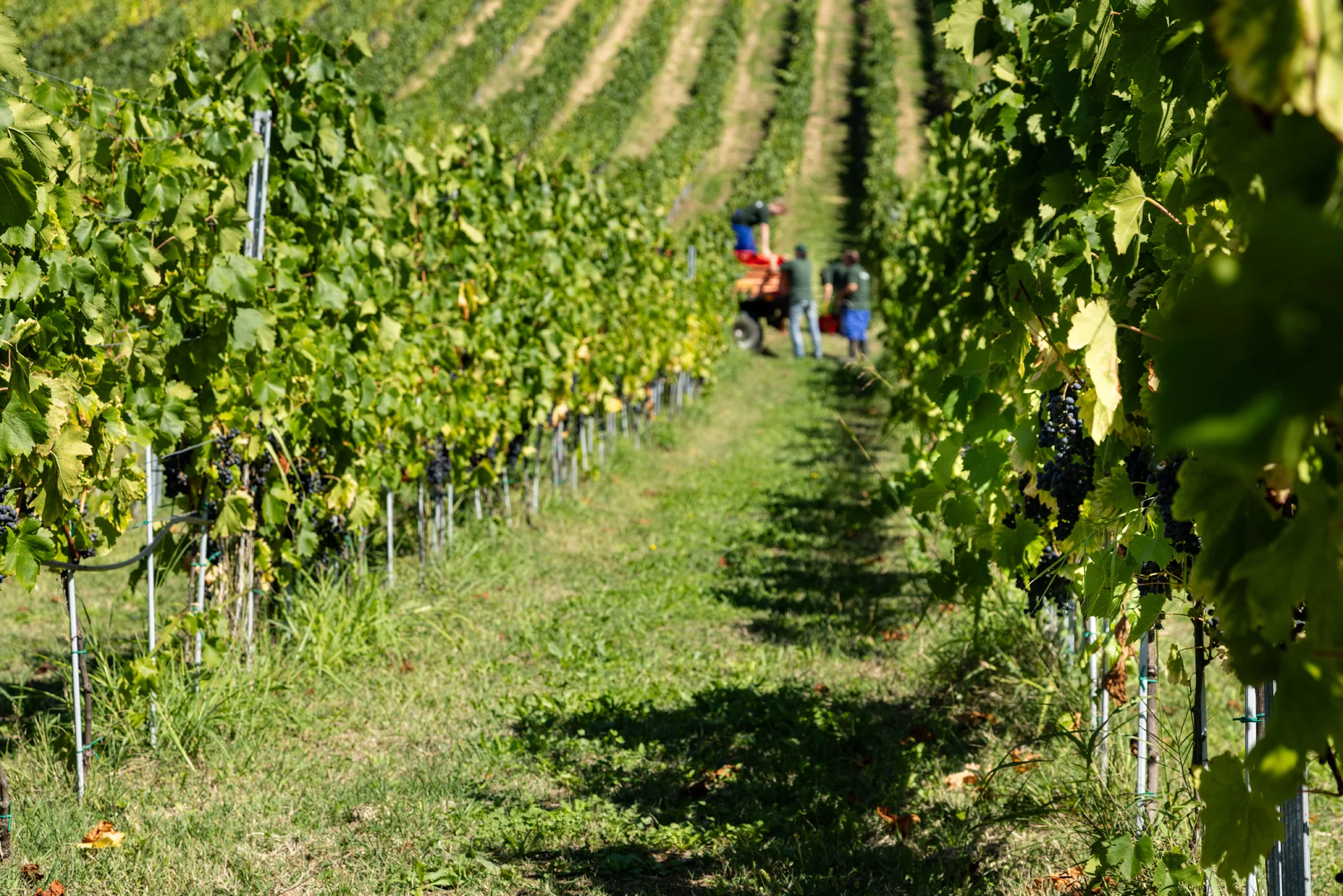
Among all the grape varieties growing in the vineyards of Vitus winery, Modra kosovina perhaps carries the most serious story. Not because it gives the darkest wine or because it ages in barrique barrels, but because it stood on the brink of disappearing forever. Had one single vine in one old vineyard been uprooted or withered away, Modra kosovina would today be only a memory mentioned in books on the history of the vine.
A Red Variety with a Great Name
Historically, Modra kosovina was one of the more significant red varieties of northwestern Croatia and the wider area of former Styria. It is mentioned in Zagorje, Prigorje, Moslavina, and the Kalnik area, and was also grown in parts of today’s Slovenia, Austria, and Germany. It was so highly regarded that Hermann and Rudolf Goethe included it in 1873 among only 27 varieties featured in their famous atlas of grape varieties, a work that remains a reference in ampelography to this day.
So it was known. It was not hidden or insignificant, quite the opposite. And then, like so much in Zagorje viticulture, it began to disappear. Phylloxera destroyed much of the old vineyard stock at the end of the 19th century, and when vineyards were replanted, Modra kosovina was simply not among the varieties that returned. Newer, better-known varieties took its place, and it slowly disappeared from vineyards and from memory. By the mid-20th century, it was still mentioned occasionally, but increasingly rarely. When the 2001 edition of Goethe’s atlas stated that it was “probably extinct”, it seemed the story had ended.
One vine near Zlatar
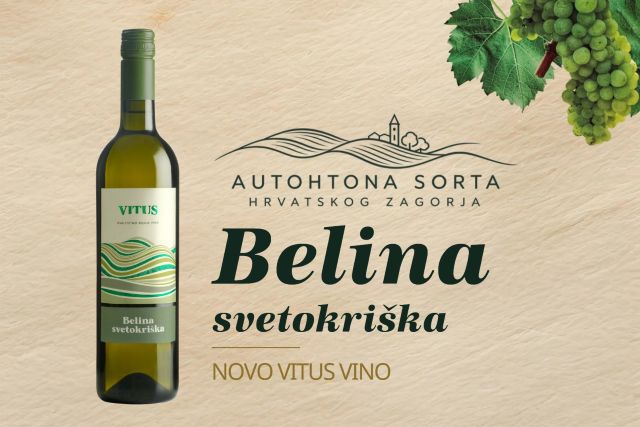
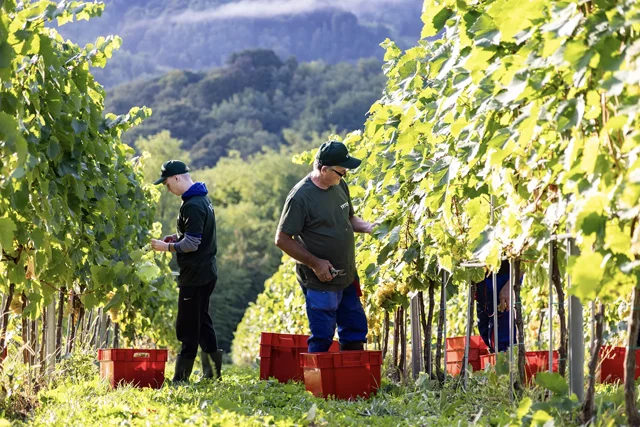
Fortunately, however, its story was not over. During the inventory of grape varieties in Hrvatsko zagorje, within the same project that brought Belina back, a single vine was found and identified as Modra kosovina. It stood in a vineyard in Martinci near Zlatar, on a plot planted with varieties once grown in the vineyards of the Keglević counts.
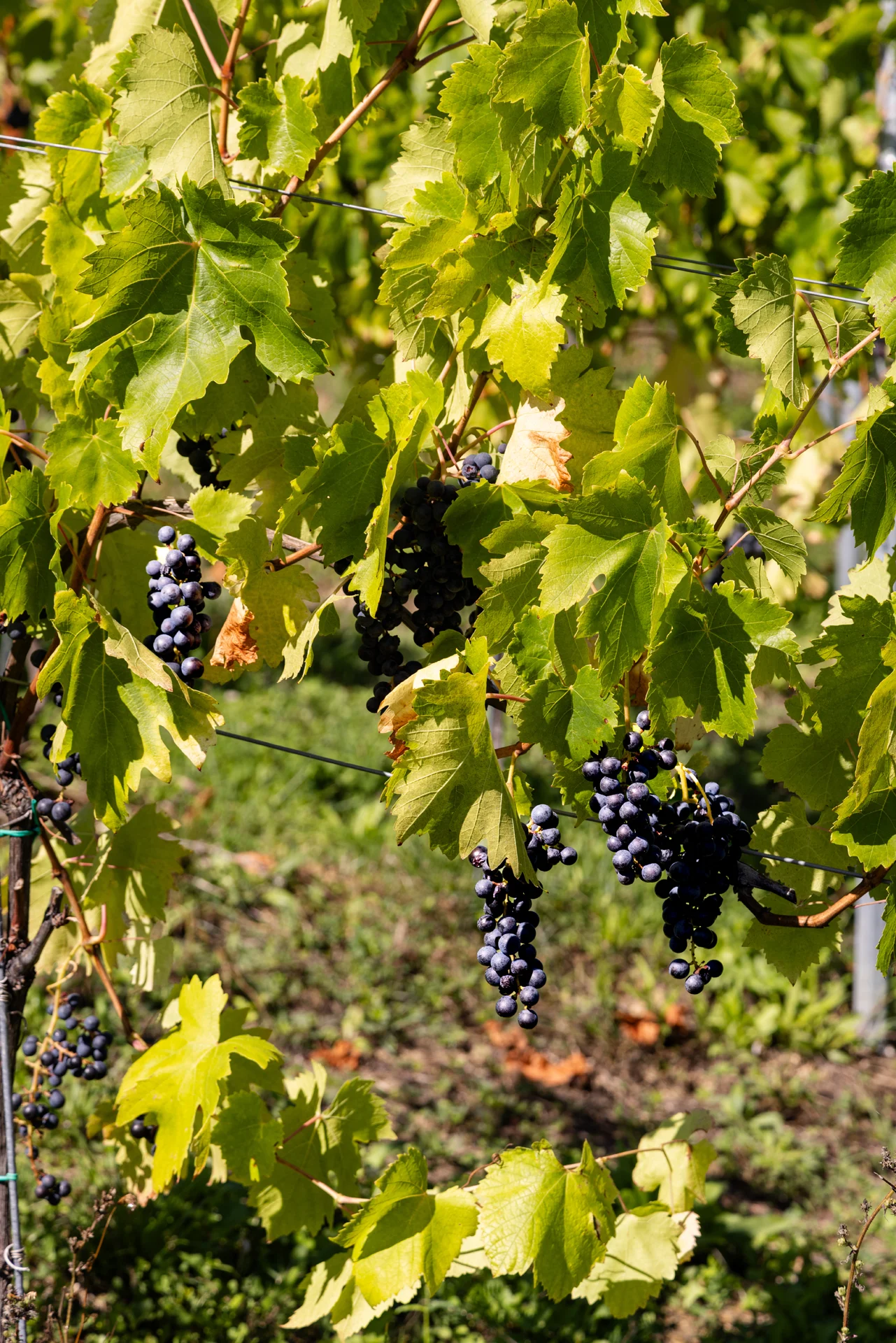
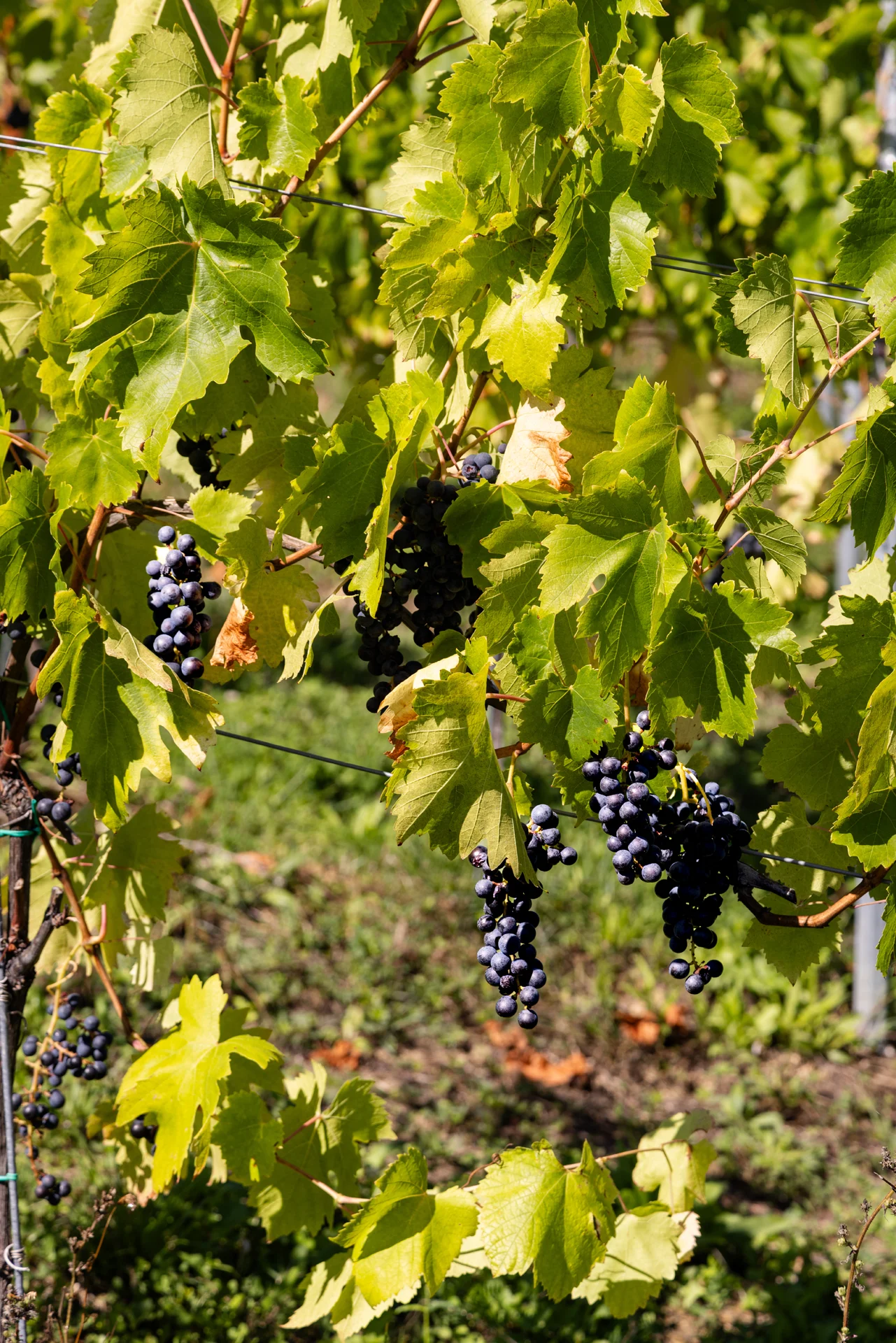
The man in whose vineyard it grew had no idea that among his rows stood the last example of a variety the rest of Europe had already written off. Genetic analysis, however, showed that the profile of this vine matched the only remaining sample of Modra kosovina in Europe - a clone preserved at the Julius Kühn Institute in Geilweilerhof, Germany. With one difference: the German sample has grey-coloured skins, while the Zagorje vine carries the original dark-blue colour. In other words, the only fully authentic vine of this variety survived right here..
Buds were taken from that vine, propagation began, and Modra kosovina started its return: slowly, but this time with a name, an identity, and a plan.
Modra kosovina Today
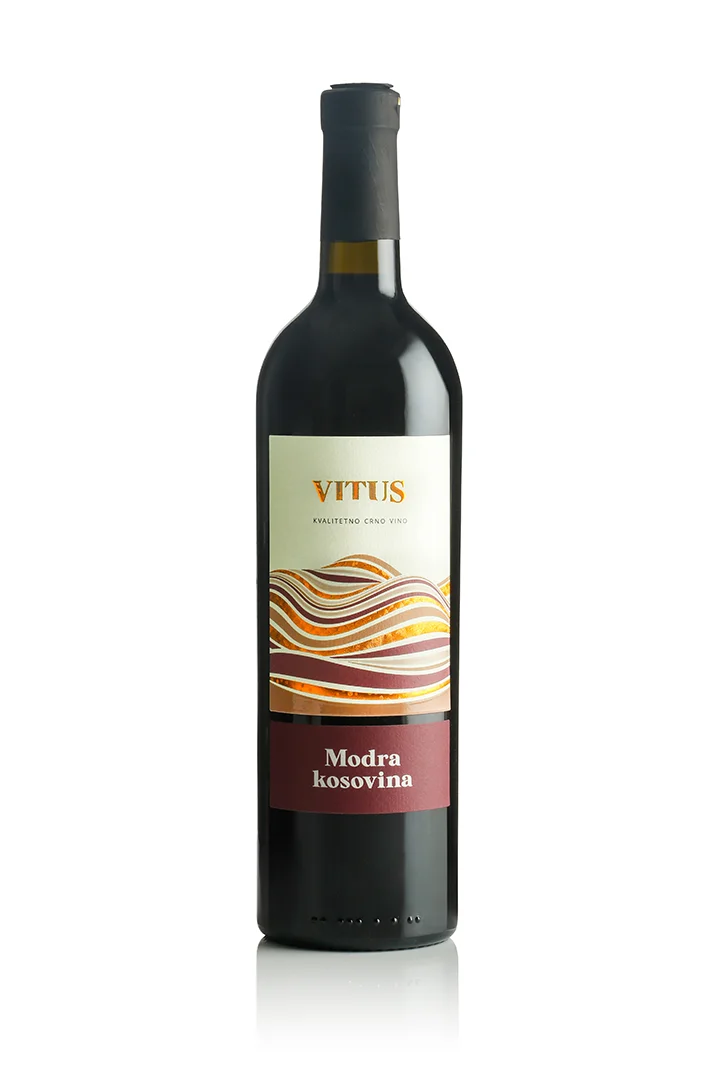
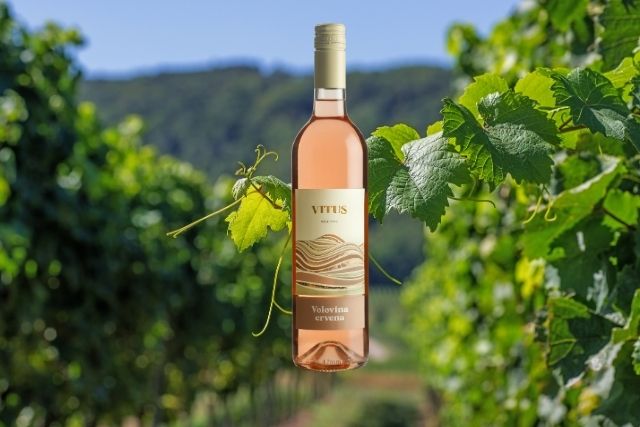
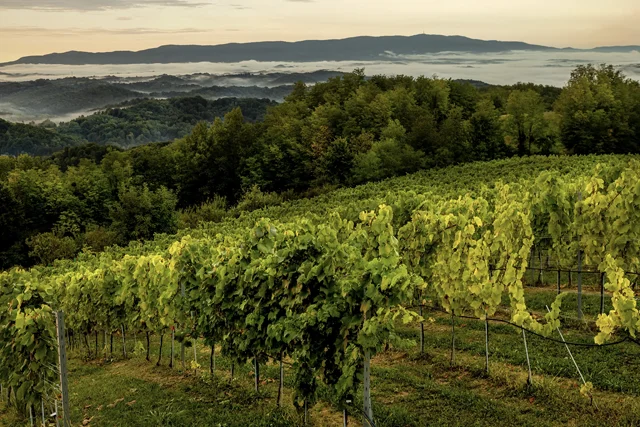
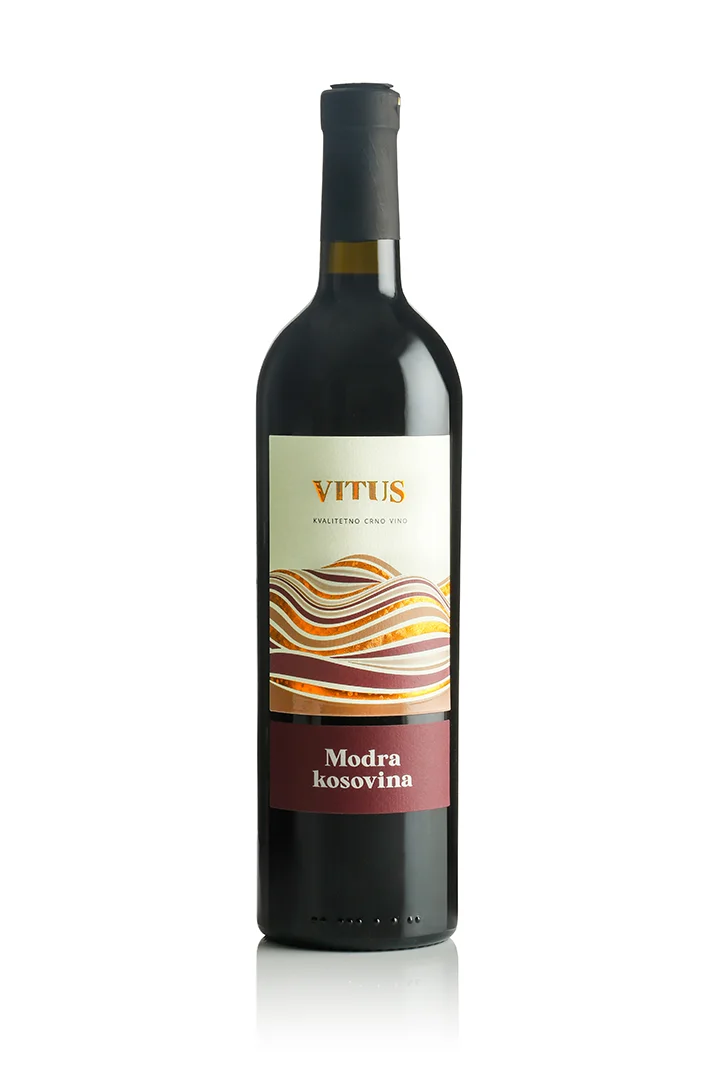
Today, Modra kosovina exists in production vineyards only in the vineyards of Vitus winery. Not in Austria, not in Germany, not in Slovenia — nowhere else in the world is this variety still grown for wine production. When you open a bottle of Modra kosovina, you are drinking a wine that exists nowhere else.
In character, it is often compared to Pinot Noir - similar in taste, but with a deeper colour and a personality shaped by the terroir in which it grows. It ages in barrique barrels, and in the glass it carries notes of dark forest fruit, vanilla, spice, and smoke, with fine ripe tannins and a long finish.
The variety is demanding and needs good vineyard sites to reach full ripeness. It also has one unusual trait: its flower is functionally female, which means it needs another variety flowering at the same time for pollination. In the vineyards of Vitus, surrounded by other indigenous varieties, this is not a problem. But in an isolated old vineyard, where a single vine was surviving on its own, it was one more reason why the variety almost disappeared.
Another interesting detail is the old nickname attributed to it in literature: “zubatica”. Thanks to its thicker skin, the grapes could remain on the vine for a long time and be stored, while the berries were firm enough to bite into.
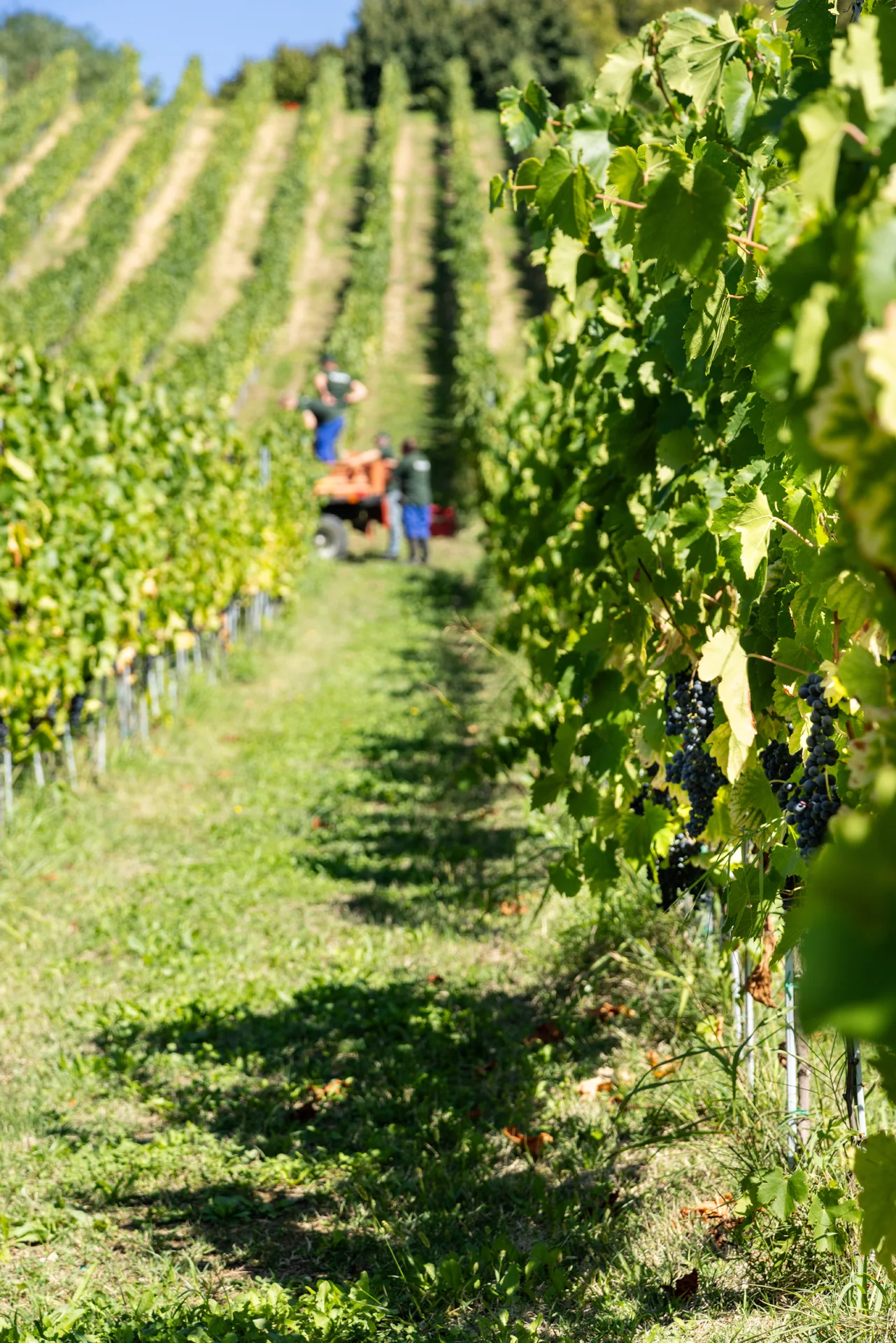
Modra kosovina is a wine variety that needs no grand words. Its story, from Goethe’s atlas, through disappearance, to a single vine and its return to the vineyard — speaks for itself. And when you raise a glass of the oldest Zagorje red wine, this whole story is there within it: from one vine in a forgotten vineyard to a wine unlike anything Zagorje has had for centuries.