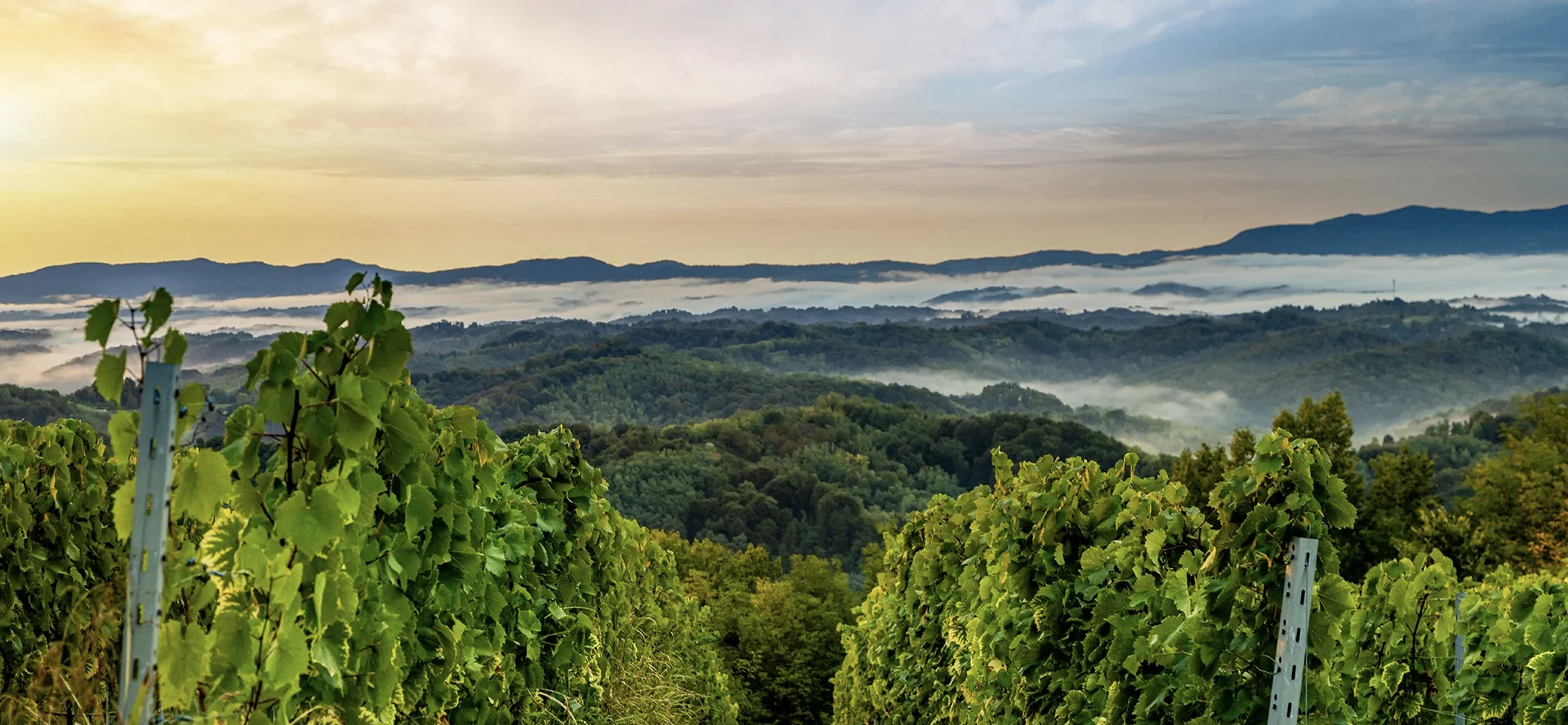
Once nearly forgotten, today it has been replanted where it always belonged.
An indigenous grape variety that grew along the hills of Zagorje as centuries, empires, and borders changed around it.
Belina starohrvatska is the genetic parent of at least 81 grape varieties worldwide, including Chardonnay, Riesling, and Blaufränkisch.
Once nearly forgotten, today it has been replanted where it always belonged.
Belina is an old Croatian indigenous grape variety that grew for centuries on the hills of northwestern Croatia, especially in Hrvatsko zagorje. Once commonly found beside local houses and vineyard pergolas, often without a prominent name or much attention, it was a wine for the home and for feasts, for the family table and the nobleman’s halls alike - a vine that accompanied everyday life as much as holidays.
How deeply Belina was rooted in the life of Zagorje is also reflected in its role in one of the most difficult chapters in the region’s history. At the time of the Peasants’ Revolt of 1573, vineyards were burdened by dues owed to the nobility: the gornica levy was calculated according to vineyard area regardless of yield; wine had to be given even when hail had damaged the vines; and when peasants began selling wine themselves, the nobility introduced a right of first purchase at a price they set. Wine was not only a drink, but also a currency, an obligation, and a subject of dispute. Belina, as one of the most widespread varieties of the time, stood at the heart of much of what was contested.
For centuries, this grape variety was inseparable from the Zagorje landscape. Then, in several waves, it began to be pushed aside - first by vine diseases at the end of the 19th century, when phylloxera and American vine diseases destroyed much of the old vineyard stock, and later by its replacement with newer, “more modern” grape varieties that were easier to sell and better recognised on the market. Belina slowly disappeared from vineyards, surviving only in traces: in the occasional old vine and in memory.
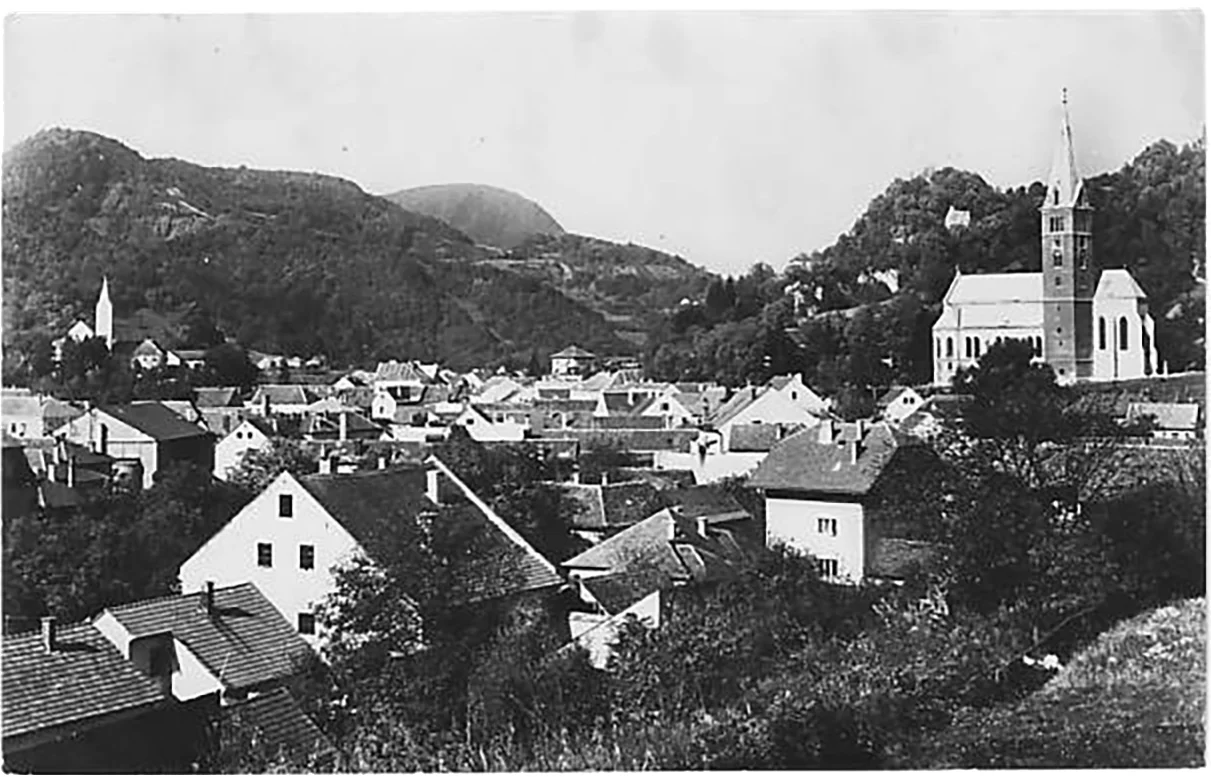
KHow close Belina came to disappearing entirely is shown by the fact that a national scientific project, which systematically surveyed Croatian vineyards from 2002 to 2006, did not find it. The conclusion was that the variety had disappeared from production vineyards. Only after the revitalisation project was launched in 2006, during a detailed inventory, was Belina starohrvatska identified in several plantings, the most important discovery being the one in the courtyard of Ljudevit Gaj’s house in Krapina.
Three vines of Belina starohrvatska grew beside the house of one of the greatest figures in Croatian history - the man who launched the Illyrian movement, united the South Slavic cultural scene, and left a lasting mark on the very language in which we write and speak today. In his courtyard, beside the house where one of the central stories of the Croatian 19th century was written, Belina grew quietly, as if preserving something no one had yet come to look for.
From those vines, and from plantings in the area of Hižakovec near Donja Stubica, buds were taken, mother vine plantings were established, and the creation of new planting material began. Experts from the Faculty of Agriculture of the University of Zagreb carried out genetic identification to confirm that this was indeed the true old Croatian Belina, and not simply any variety known by that name.
The fact that Belina was there at all - hidden, but alive - says much about how stubbornly rooted it is in this region. It did not survive for centuries because someone had deliberately preserved it, but because it grew where it had always grown, and because people, perhaps without knowing its value, allowed it to remain.
Only more recent research has shown how important Belina truly is, and how far its influence reaches. Genetics has revealed that Belina starohrvatska, together with Pinot, is the parent of as many as 16 French grape varieties, including Chardonnay. Through natural crossing, it also gave rise to Riesling, Blaufränkisch, and Furmint. In total, its descendants include at least 81 varieties now grown around the world. Behind this seemingly modest vine lies a variety whose imprint on wine genetics extends far beyond Zagorje, so it is no surprise that Belina has earned the nickname the Casanova among grape varieties.
According to one hypothesis, this was the very vine that the Roman emperor Marcus Aurelius Probus brought from Pannonia to Gaul in 280, when he lifted the ban on growing grapevines outside Italy. If this is correct, Belina is not only the genetic parent of Chardonnay, but also the vine through which viticulture from our part of Europe began moving westward.
A variety that for centuries was a quiet witness to everyday life in Zagorje turned out to be one of the most influential in European viticulture. Its revitalisation is therefore not merely a sentimental project, but a way of giving voice back to a vine that, genetically speaking, had always been at the very heart of the story.
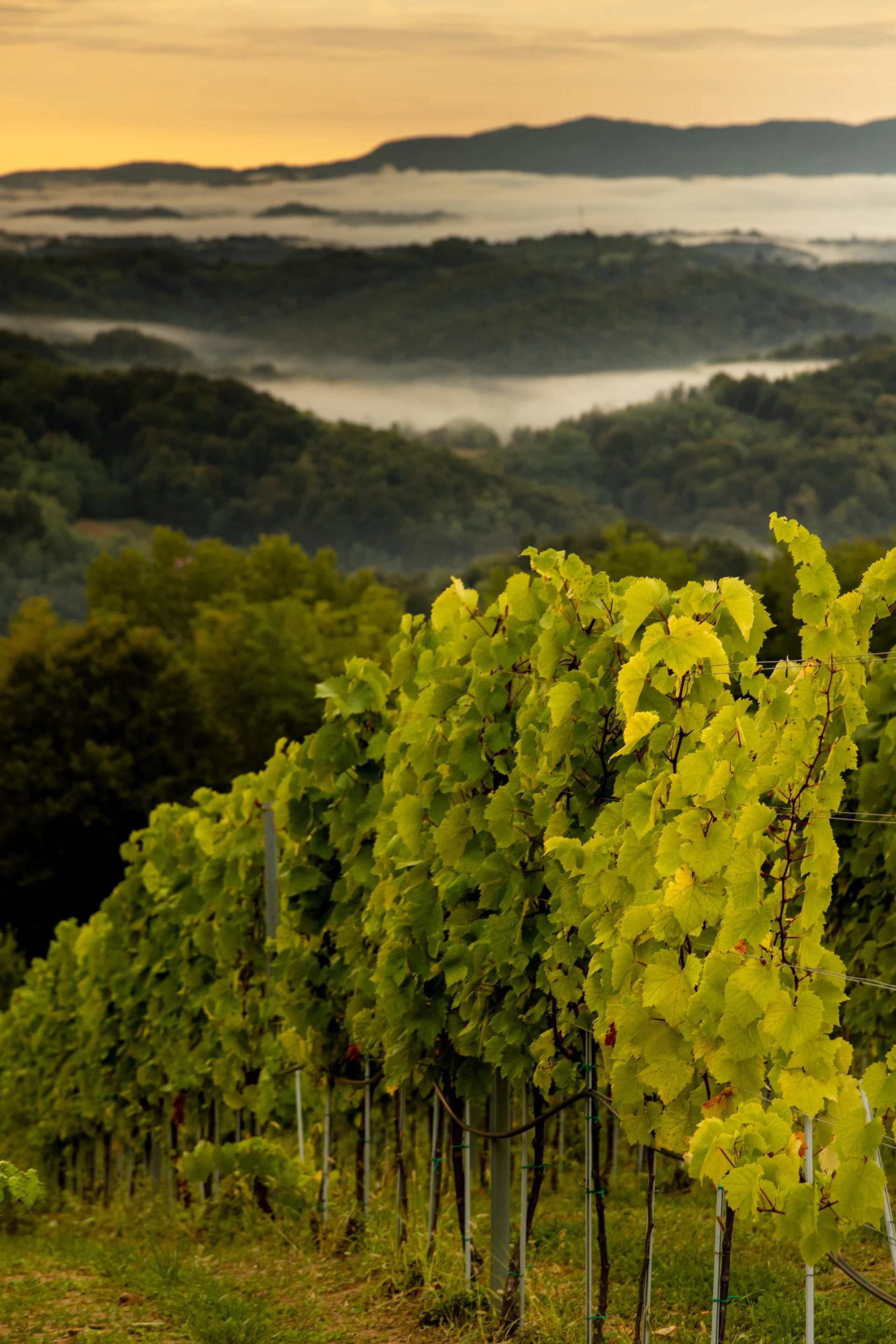
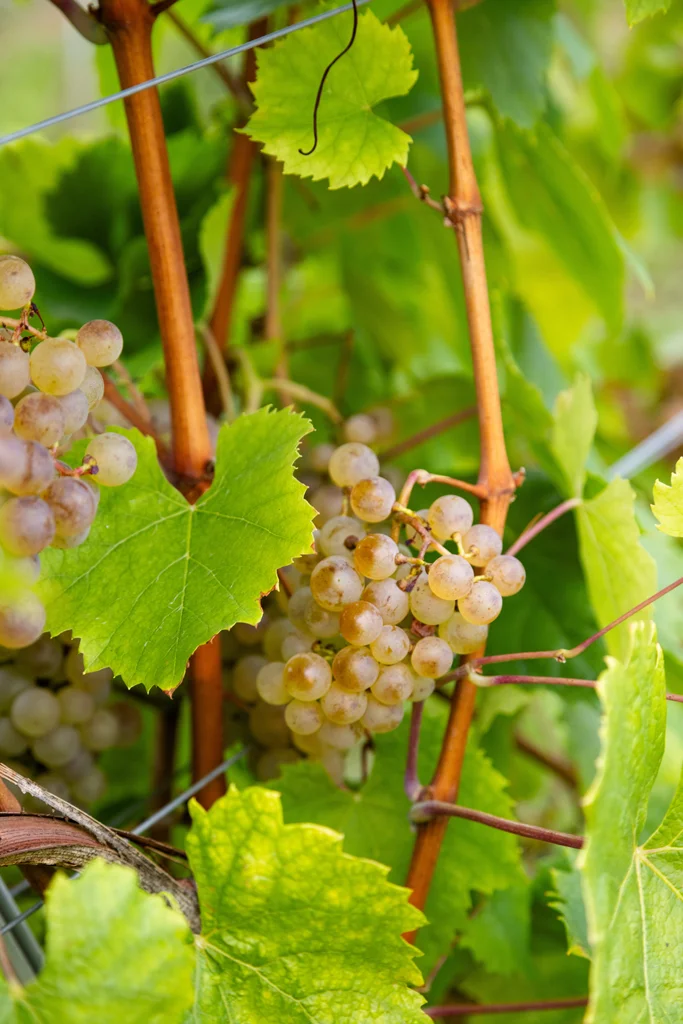
For a long time, Belina stood in the shadow of better-known varieties such as Chardonnay or Sauvignon Blanc. This perception was shaped at a time when the name “Belina” was used for a whole range of different varieties, without clear distinction and without precise vinification. Today, with clearly defined planting material, carefully selected vineyard sites, and a modern approach in the cellar, Belina reveals a different face.
Wines made from Belina starohrvatska are characterised by freshness, lively acidity, and moderate alcohol, making them highly drinkable and well suited to the table. In good vineyard positions and with careful harvesting, Belina gives fine fruit and floral notes - subtle, yet recognisable - along with a structured taste that invites another sip. Thanks to its freshness and profile, it is especially interesting at a time of increasingly warm, heavier wines, where Belina brings balance and lightness without losing character.

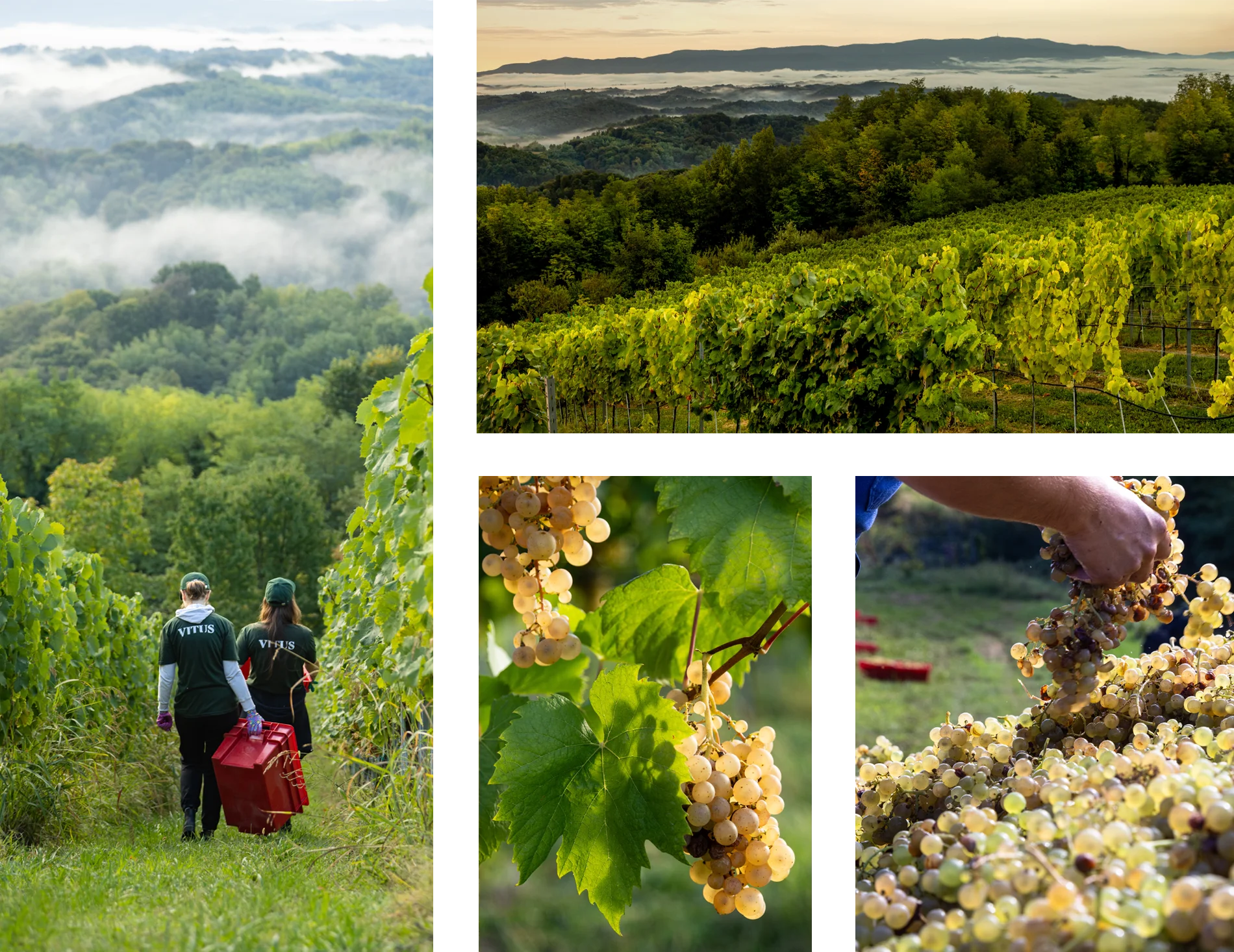
An indigenous variety present in Zagorje for centuries. Today, it once again grows in our vineyards above Sveti Križ Začretje, from planting material we produced ourselves.
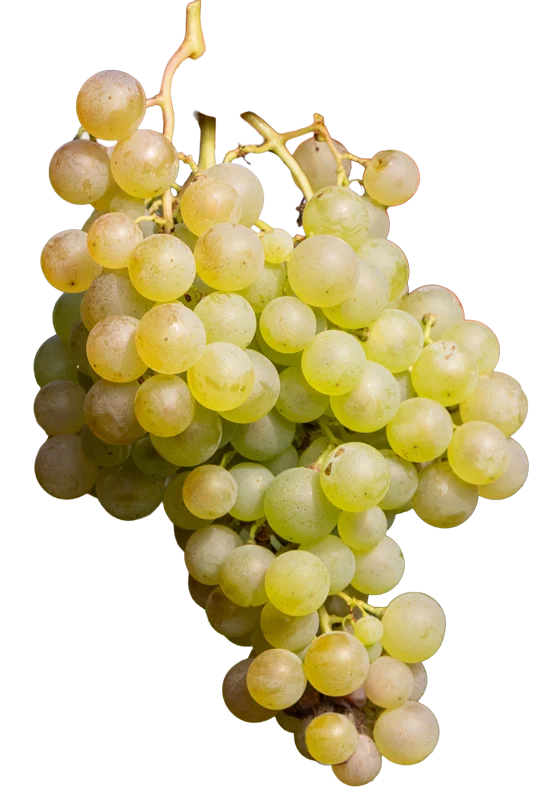
Hand-picked grapes, gentle pressing, controlled fermentation. Every step is adapted to a variety that requires care and precision and gives its very best when treated that way.
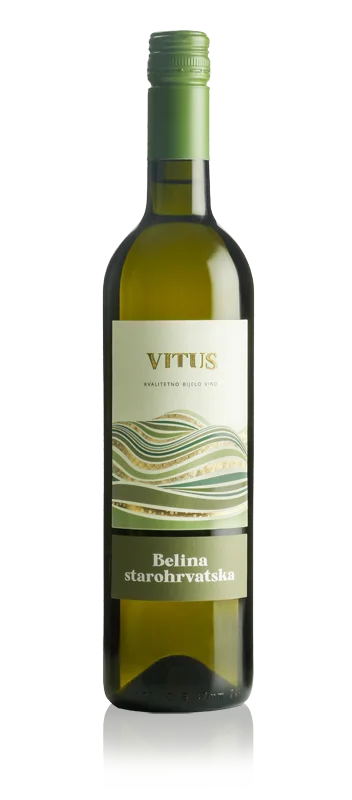
A fresh, drinkable white wine with lively acidity and fine fruit character. Balanced, light, with a clean finish that invites another sip.



Winery Vitus
Mirkovec 22A
49223 Sveti Križ Začretje
+385 994842657
info@vitus-vinarija.hr