A grape harvest rarely follows the calendar exactly. There are approximate dates, experience from previous vintages and expectations that develop throughout the growing season, but ultimately the rhythm is set by the vines, the grapes and the weather.
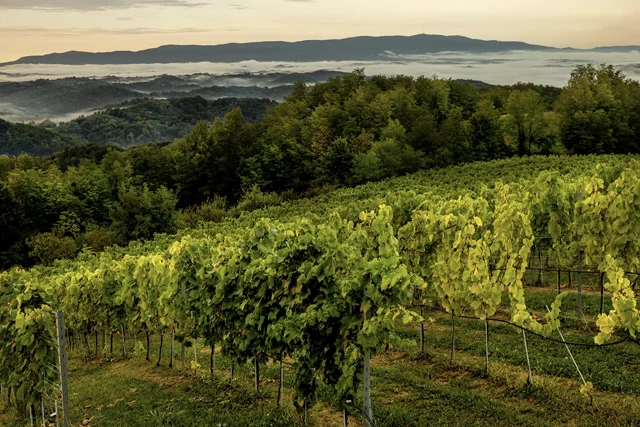
This year, that rhythm was somewhat faster. High summer temperatures accelerated ripening, which meant that the grape harvest at Vitus Winery in Croatian Zagorje began earlier than usual. An earlier start, however, does not necessarily make harvest easier. When conditions in the vineyard change quickly, choosing the right moment to pick each individual variety becomes even more important.
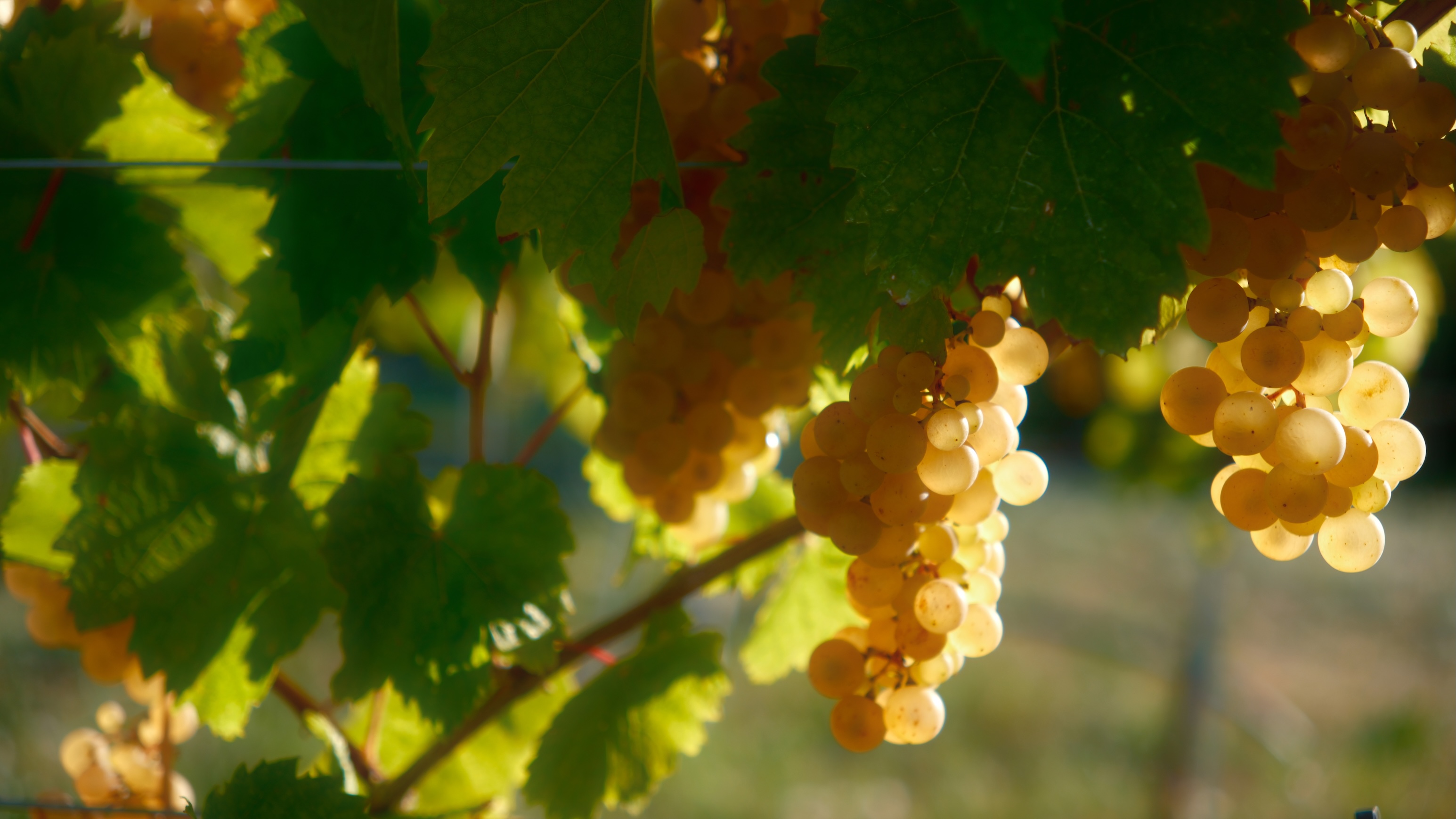
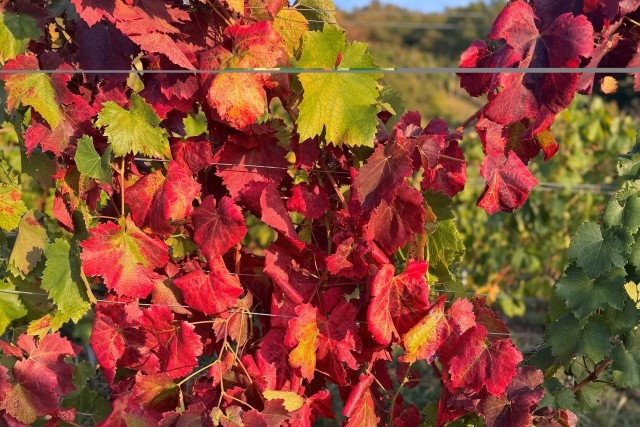
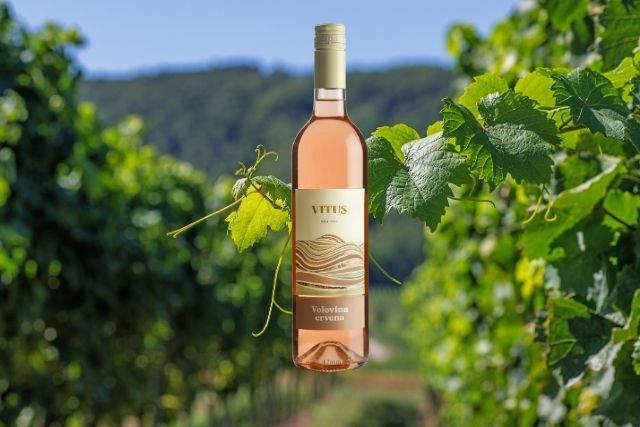
And at Vitus there is no single variety and no single harvest date. Belina starohrvatska, Dišeća ranina, Volovina crvena and Modra kosovina each ripen at their own pace. During the final weeks before harvest, attention therefore turns not only to the weather forecast, but to what is happening in each individual vineyard.
A hot summer and an earlier grape harvest
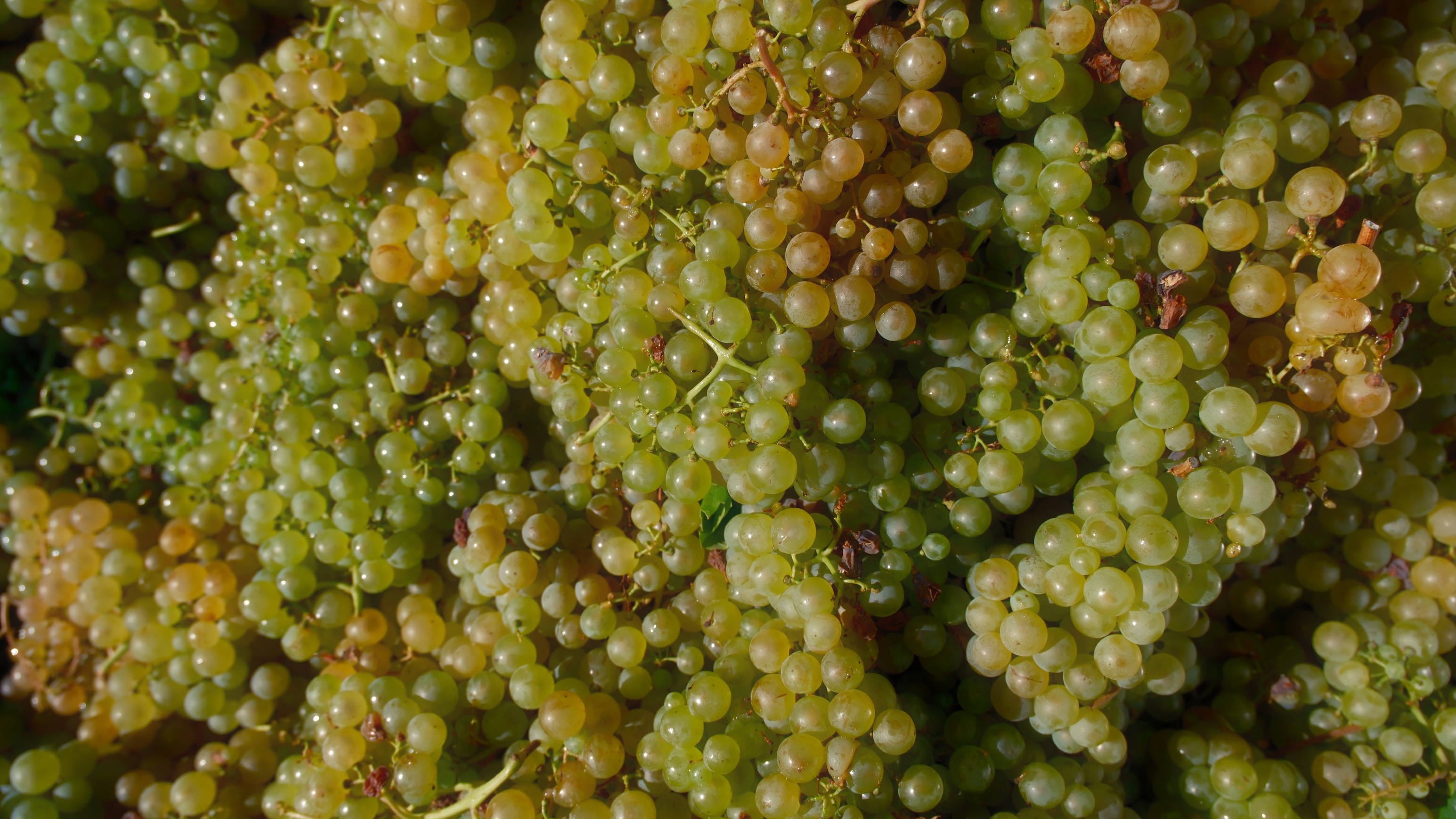
Warm, sunny conditions can accelerate the accumulation of sugars in the berries, but grape maturity cannot be reduced to a single number. Acidity, grape health, flavour and aromatic development are also monitored closely because all of them will ultimately influence the style and character of the wine.
In warmer vintages, finding that balance becomes particularly important. Sugar levels may rise quickly while acidity gradually falls, which means that waiting a few additional days does not necessarily lead to a better result. As harvest approaches, vineyards are therefore checked increasingly often, grapes are sampled and the picking date is determined separately for each variety.
The high temperatures of this summer consequently did more than move the harvest forward. They also changed the pace of the final weeks in the vineyard.
The aim is not to pick as early as possible, nor to leave the grapes on the vine for as long as possible. It is to harvest them at the point when they show the right balance for the wine we want to make.
One harvest, several different moments
Our indigenous grape varieties of Croatian Zagorje clearly demonstrate why there can be no universal harvest date.
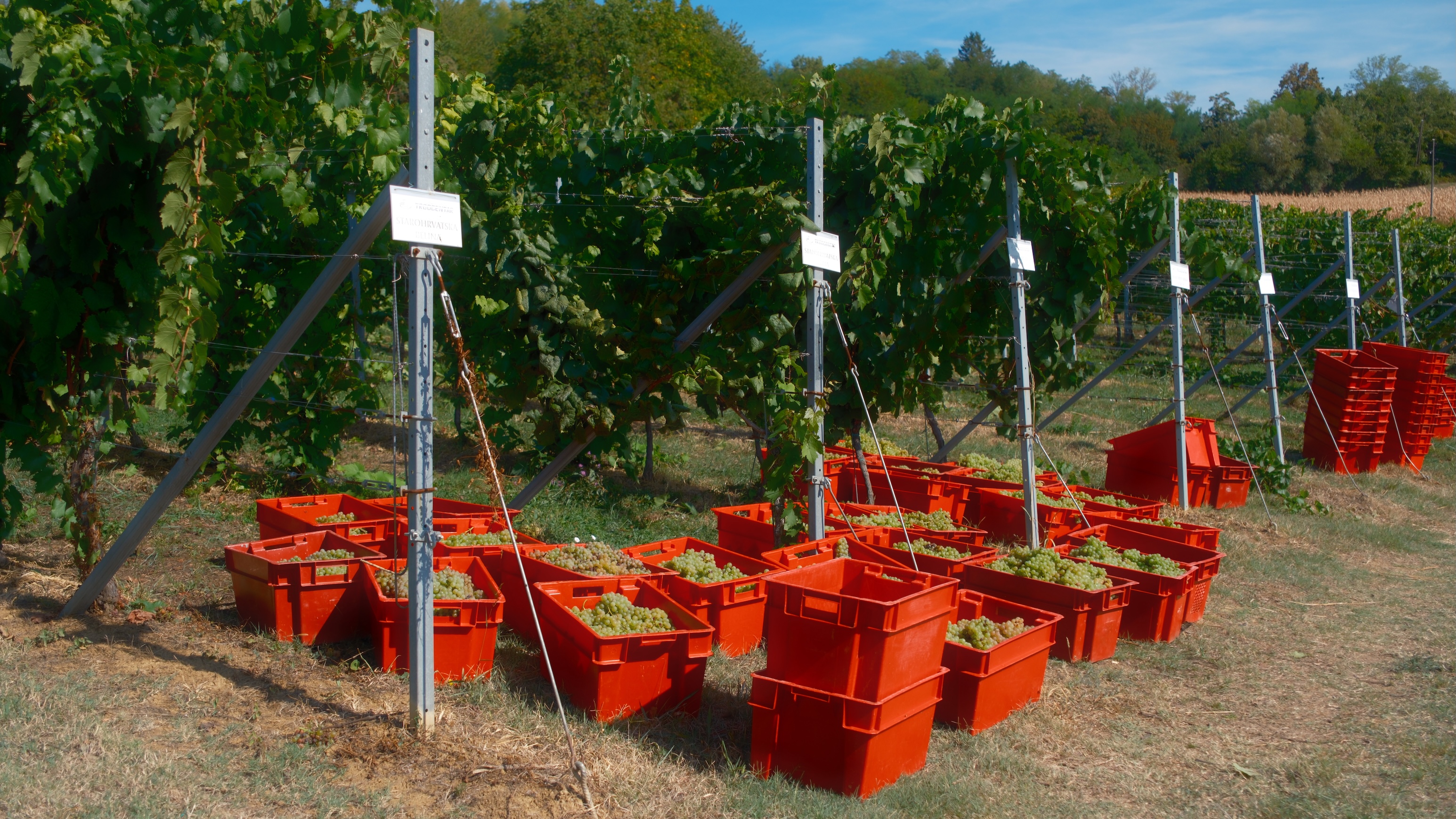
Belina starohrvatska, a variety with a particularly important role in the Vitus project, needs to retain its freshness while reaching sufficient maturity to express its individual character in the glass. Dišeća ranina brings its own distinctive aromatic profile and likewise requires careful timing.
Volovina crvena and Modra kosovina follow a different rhythm. Modra kosovina requires particular patience and once again marked the end of this year’s harvest at Vitus.
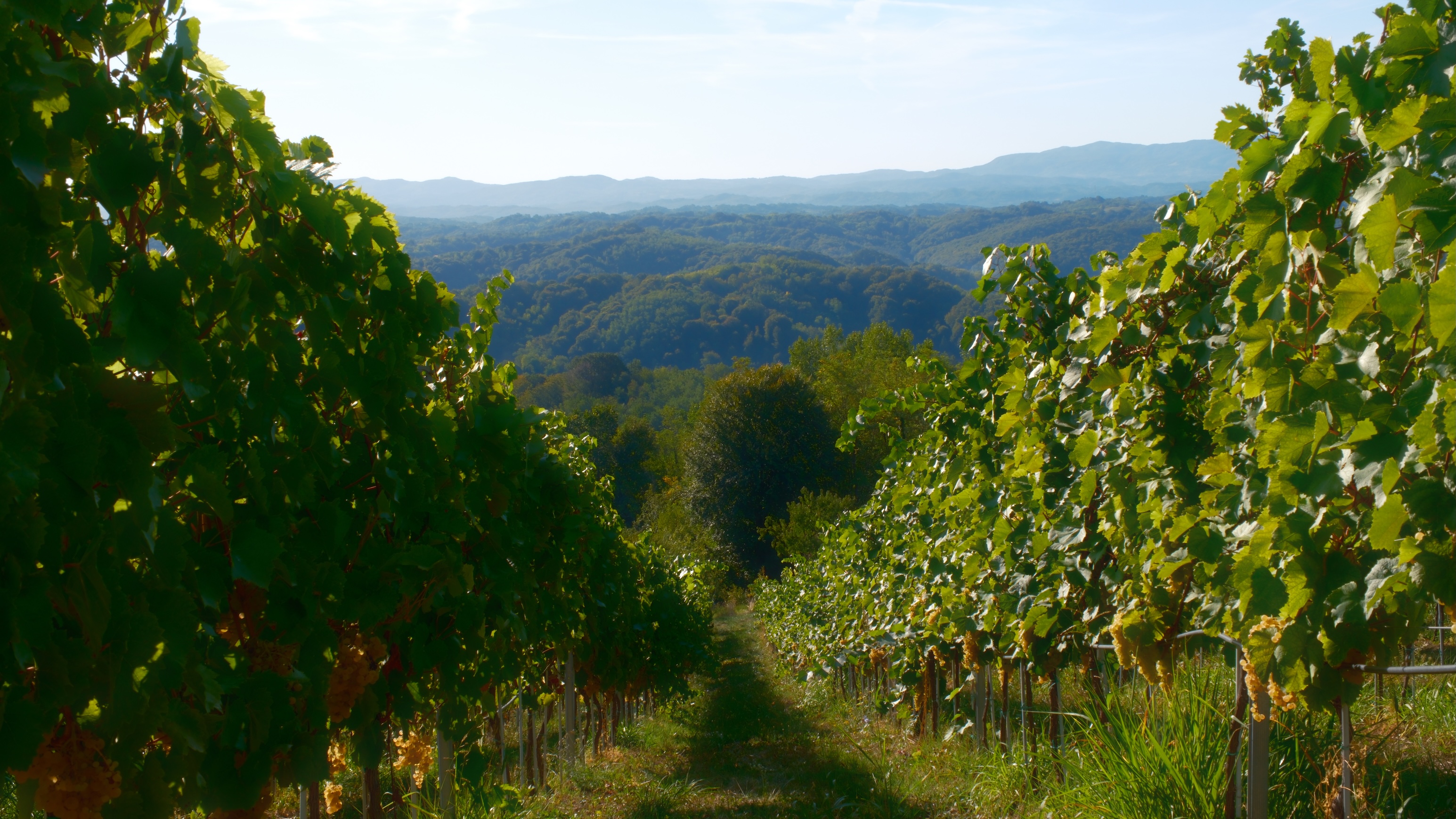
While one vineyard may already have been picked, another can still need several final days of ripening. Harvest is therefore not simply a few intensive days after which the work is complete. It is a sequence of smaller decisions made for individual grape varieties and vineyard sites.
This approach is particularly important because these are varieties without the decades of modern winemaking experience that exist for internationally widespread grapes. Every season adds new information, new experience and a better understanding of how they behave both in the vineyard and in the cellar.
Returning indigenous grape varieties to the vineyards of Zagorje
For Vitus, harvest carries a meaning that extends beyond the end of another growing season.
Belina starohrvatska, Modra kosovina, Dišeća ranina and Volovina crvena form part of a long-term effort to preserve and return old grape varieties to the vineyards of Croatian Zagorje. Some of them had almost disappeared from serious production for decades. Today, they are once again being harvested as varieties capable of producing wines with their own names and identities.
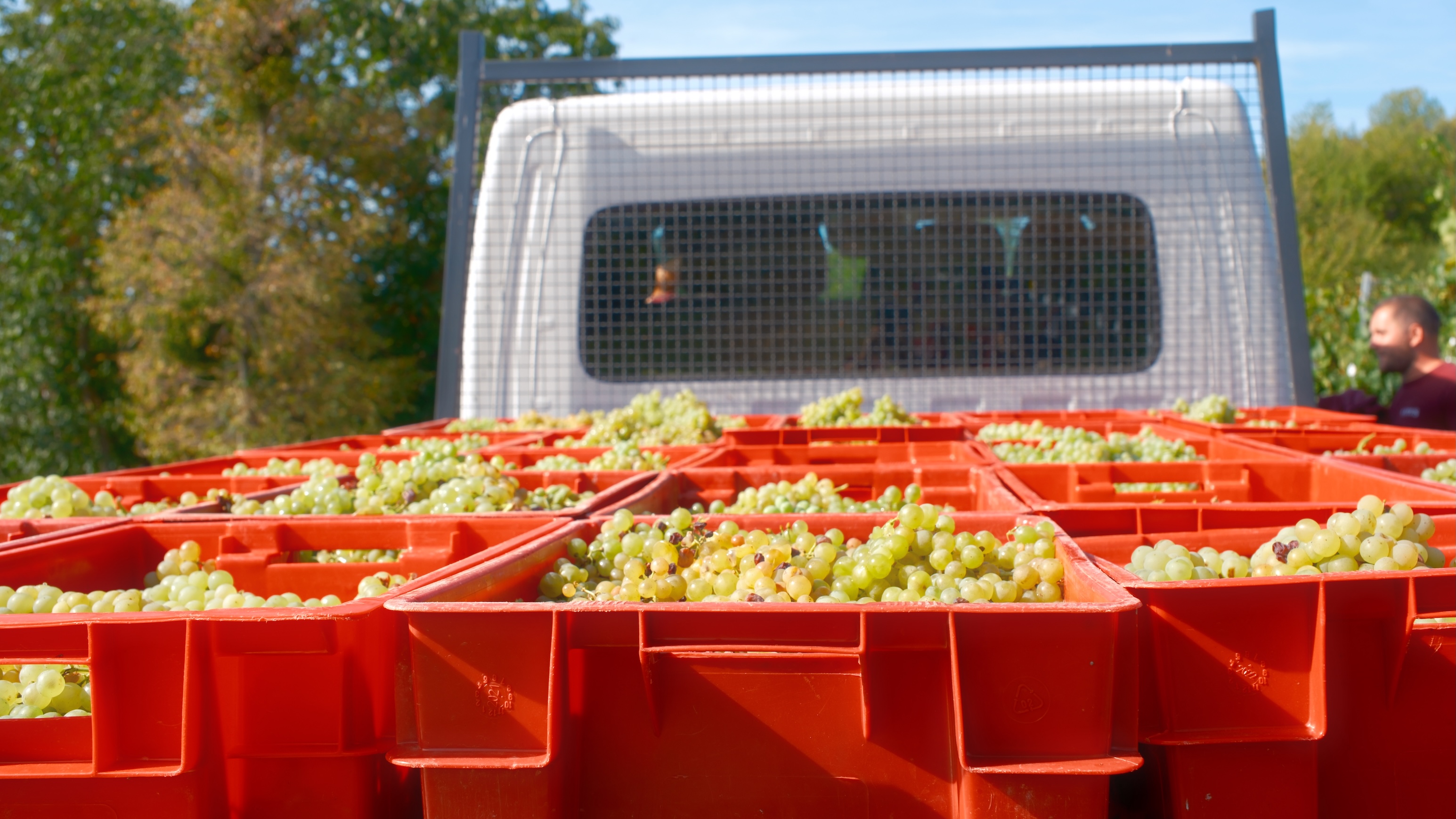
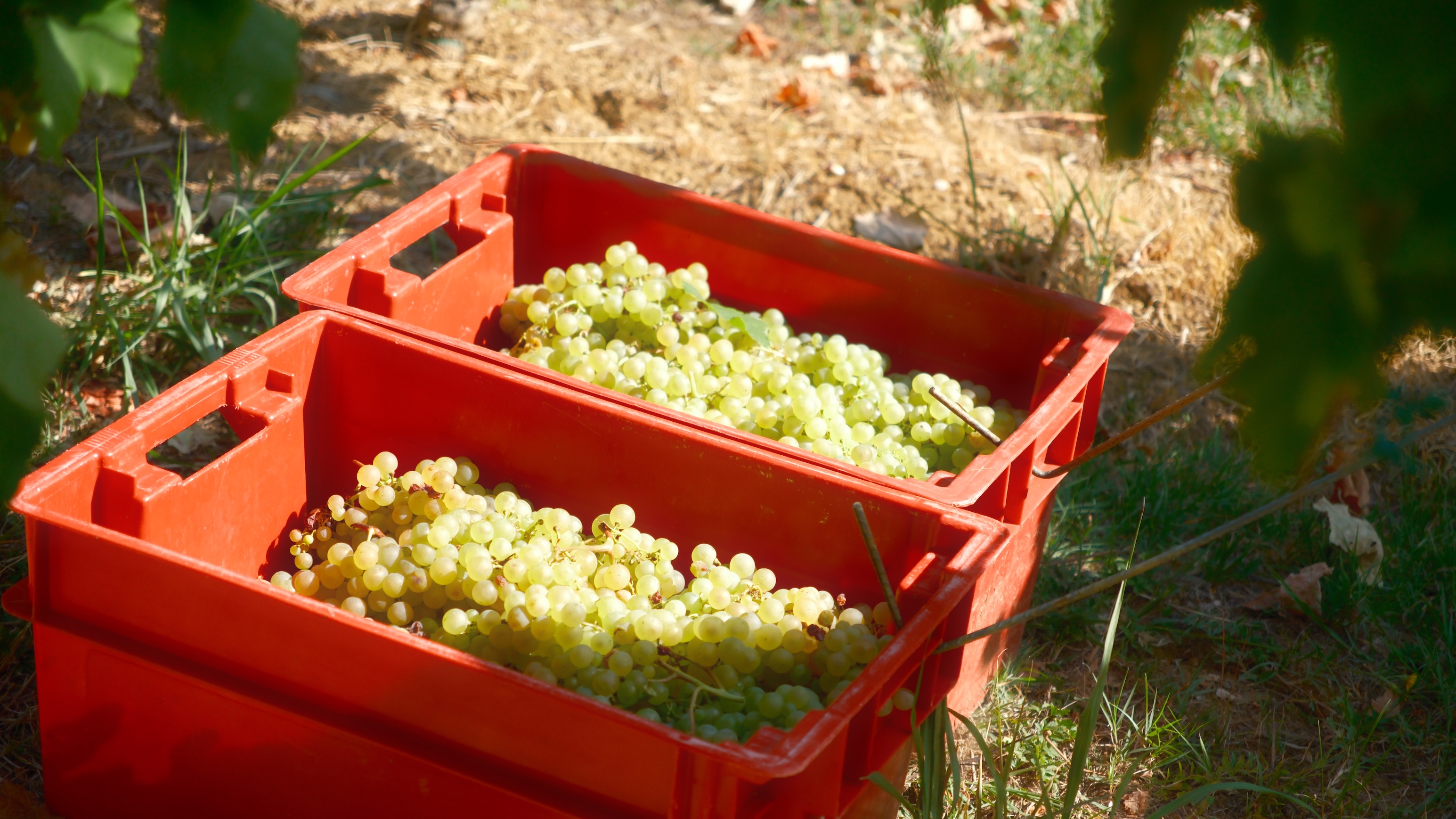
Their return therefore does not happen only through research, propagation or preservation programmes. It also happens here: when the grapes ripen, the crates are filled and another vintage enters the cellar.
Every completed season provides further practical knowledge about how each variety responds to different growing conditions. Vintages such as this one, marked by high summer temperatures and an earlier harvest, become particularly valuable parts of that process.
Harvest begins with a decision and ends with people
Despite all the measurements and analysis, harvest ultimately remains a very tangible form of work.
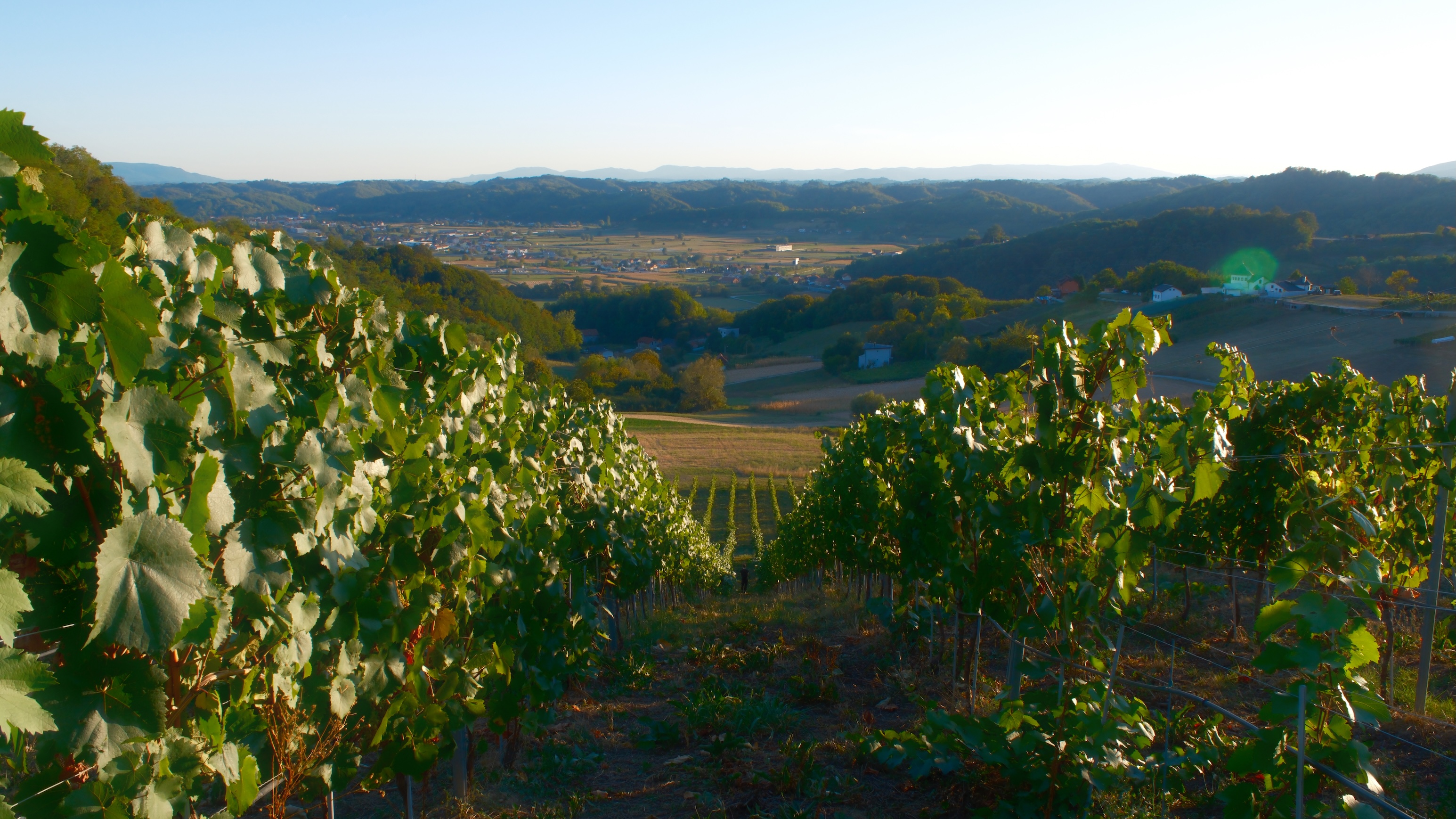
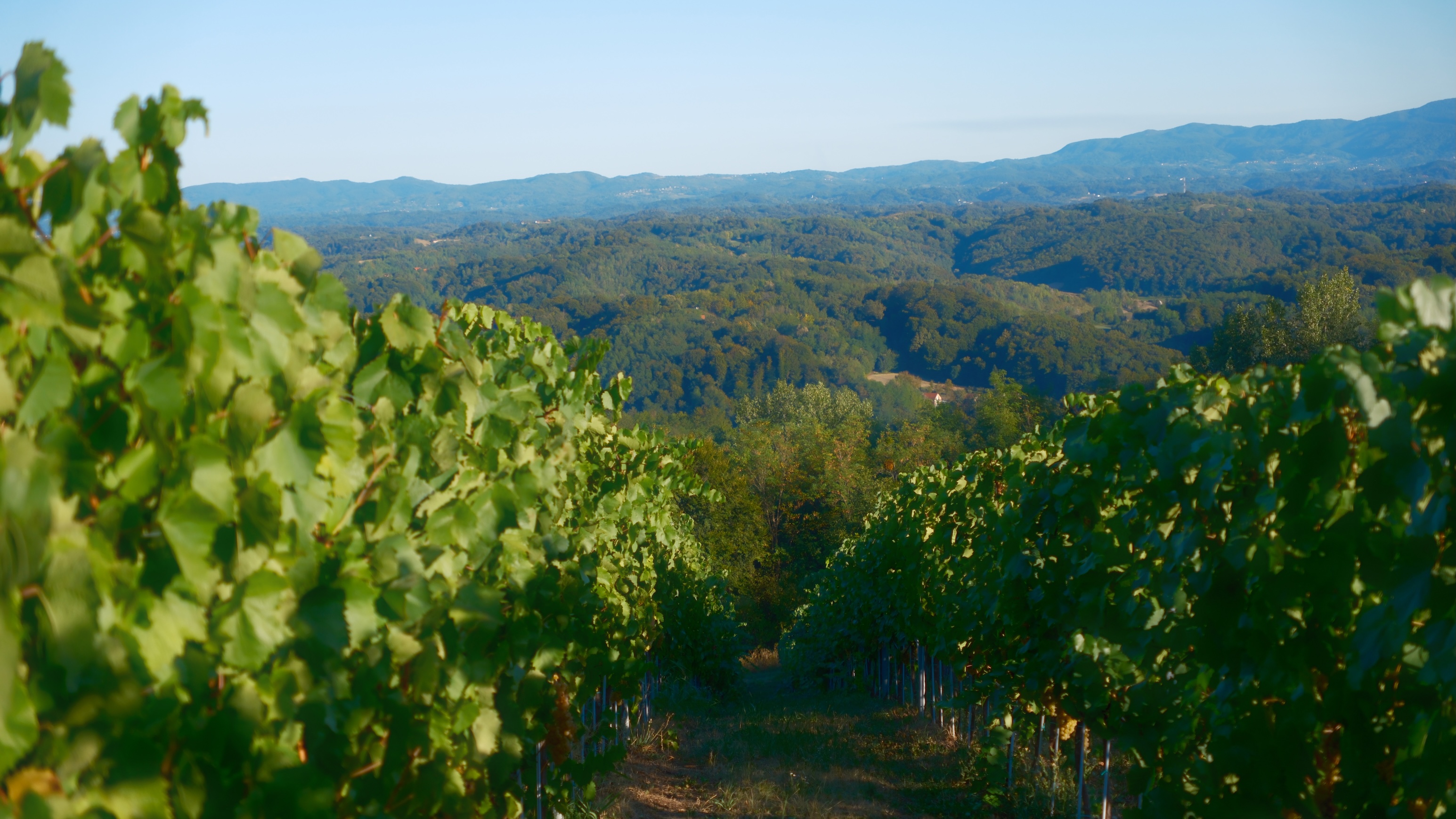
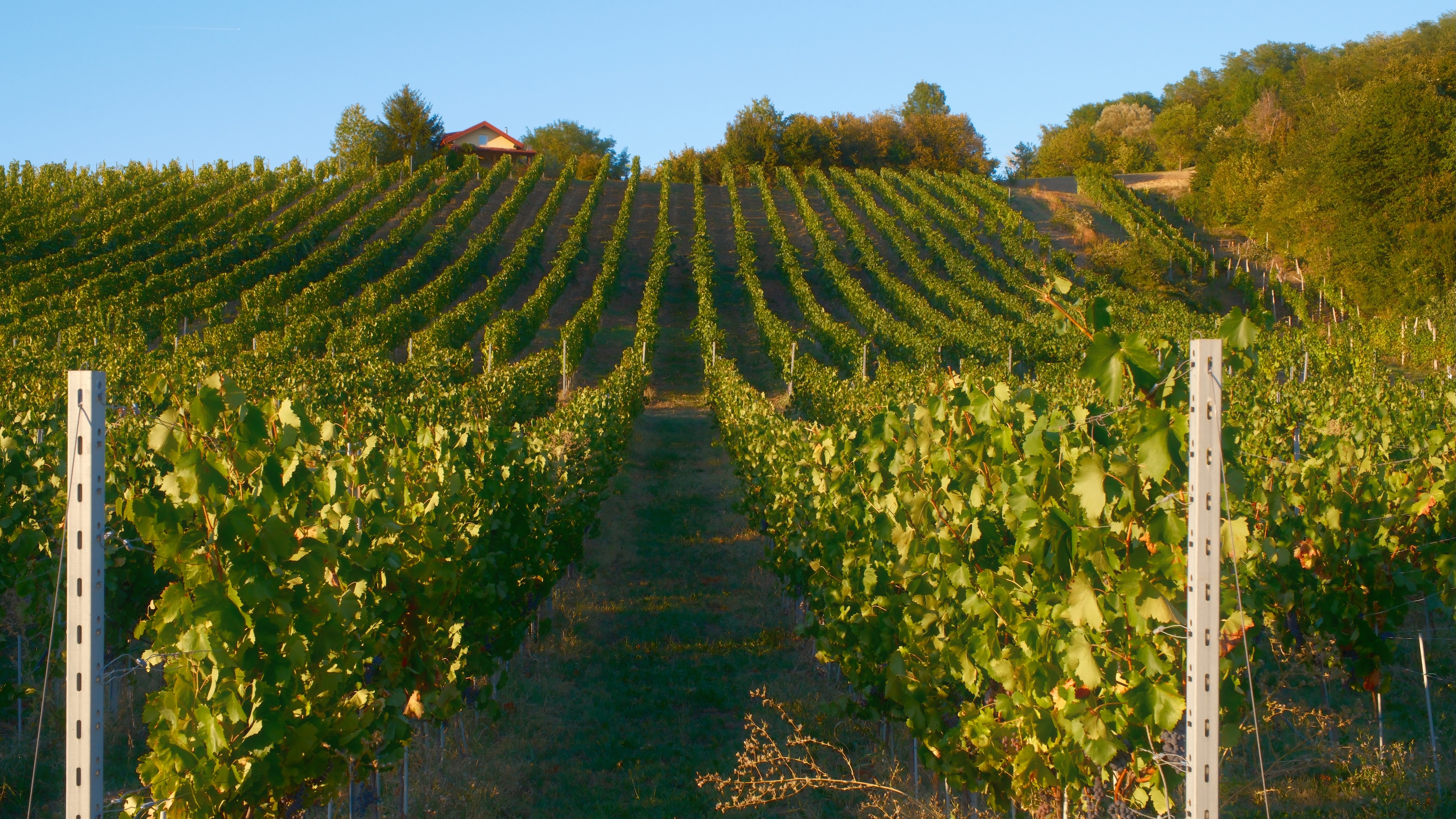
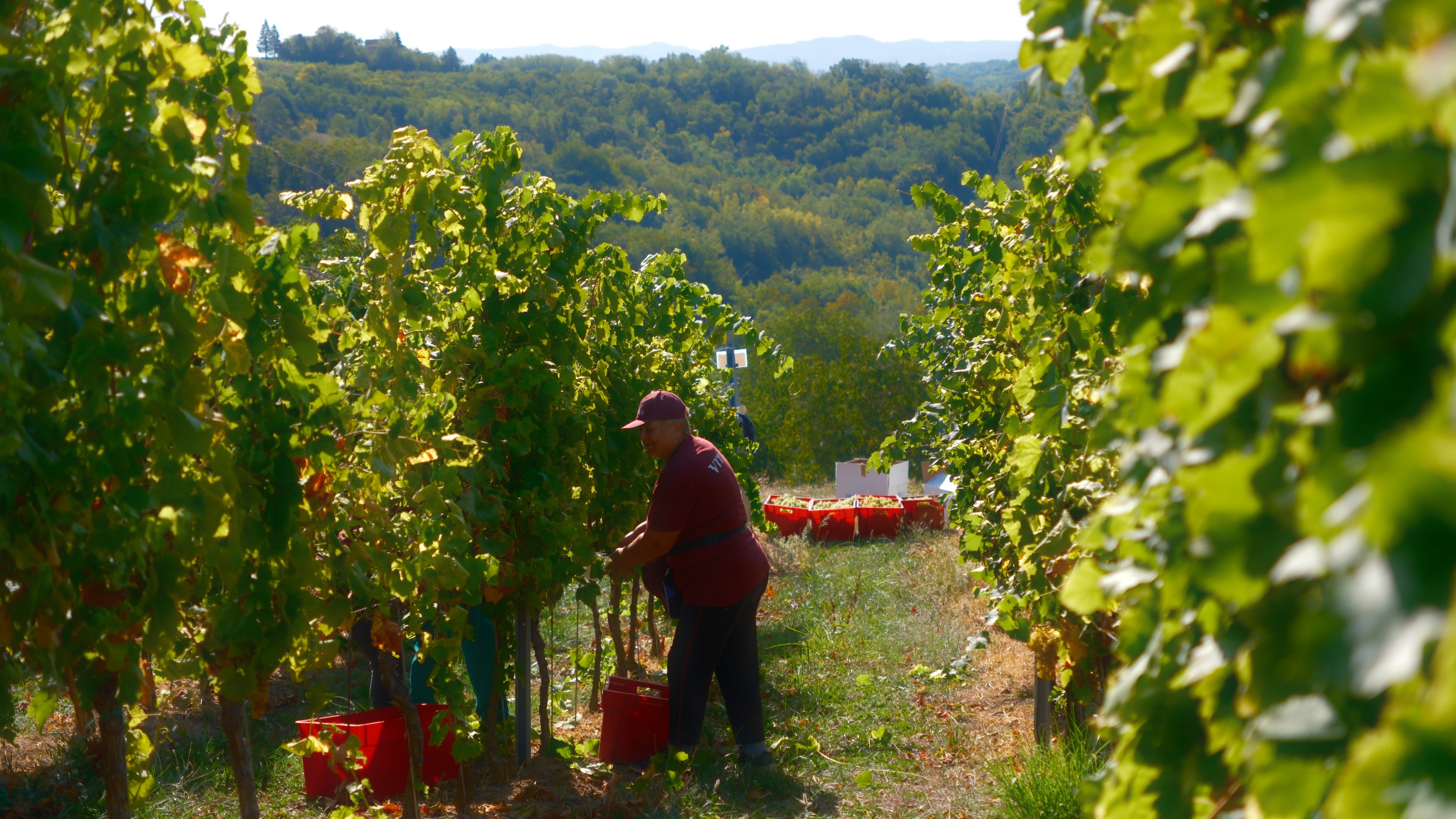
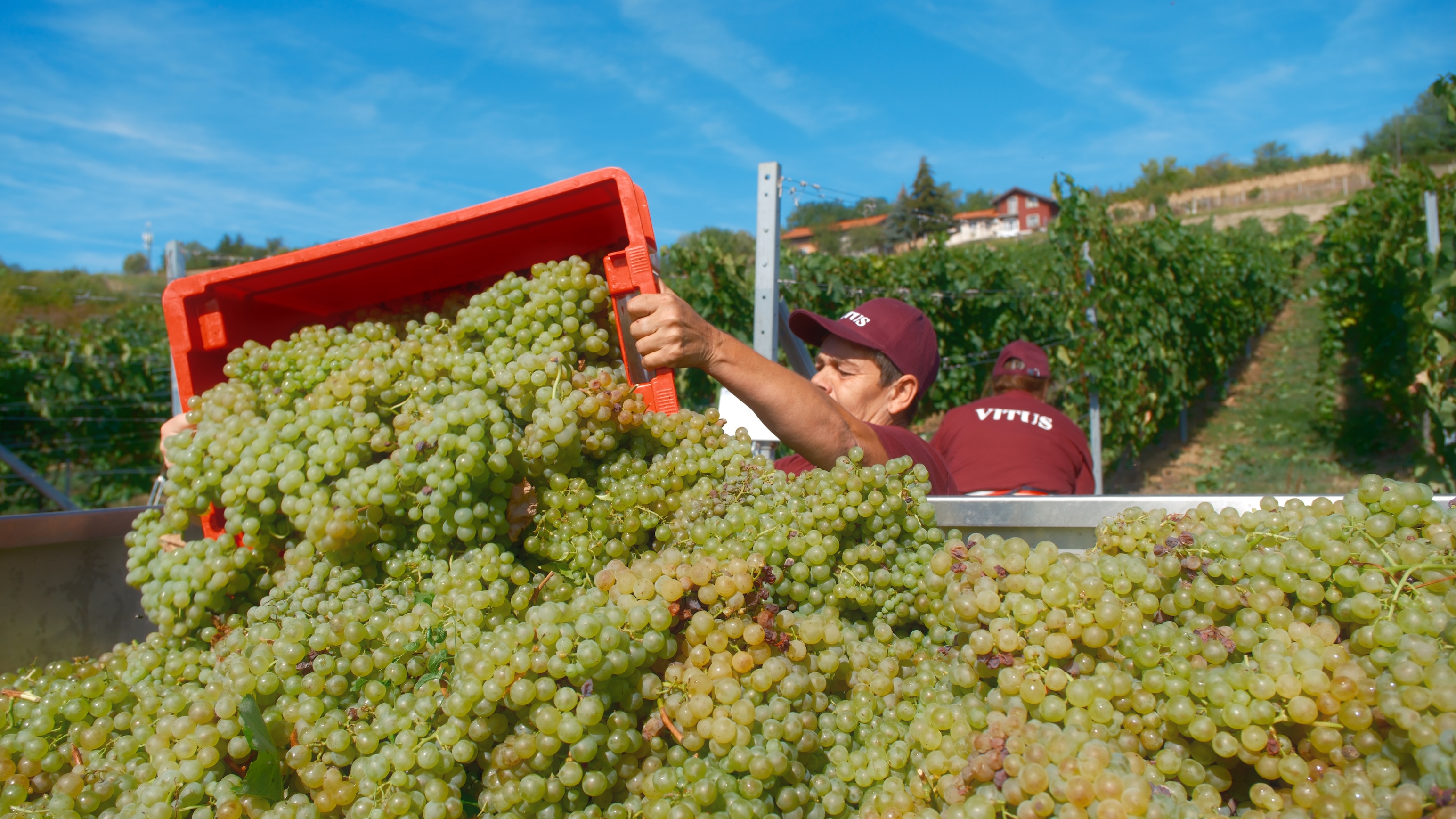
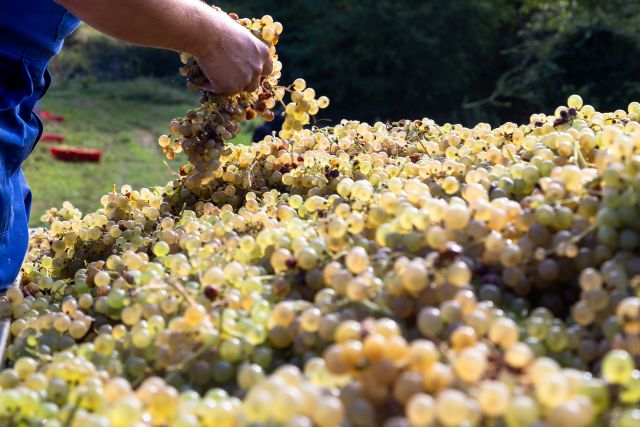
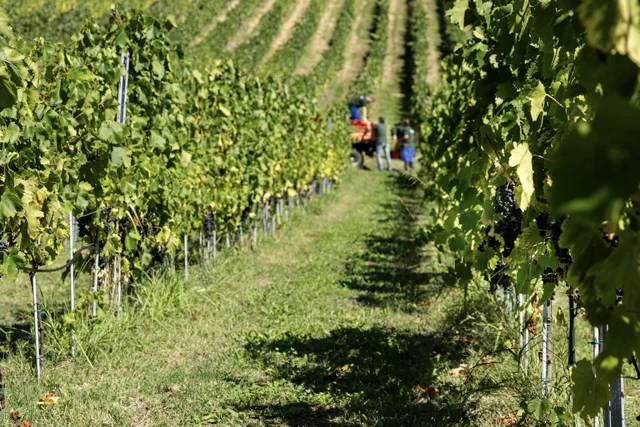
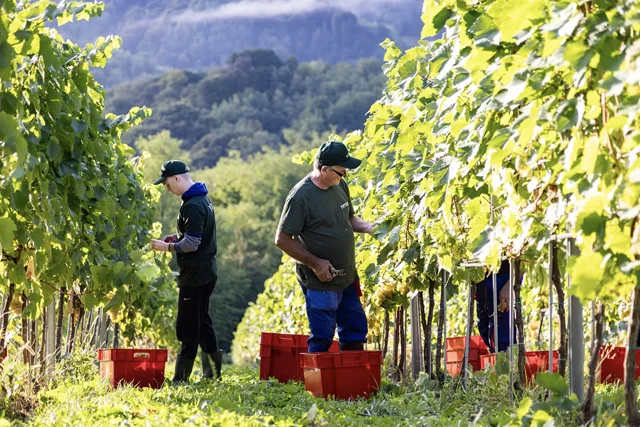
The vineyard rows fill with pickers, each bunch passes through someone’s hands, crates are filled and grapes that have spent months developing on the vine make their way to the cellar within hours. Time suddenly takes on a different meaning: instead of counting the weeks until ripeness, the focus shifts to the hours between vineyard and processing.
This is also the part of harvest that changes least from one year to another. A season may be warmer or cooler, harvest may begin earlier or later, but the final stage always depends on the people who move through each row and bring the vineyard year to its conclusion. This year, that moment arrived somewhat earlier. And when the last Modra kosovina grapes, the latest-ripening variety in our vineyards, were picked, another harvest at Vitus Winery came to an end.
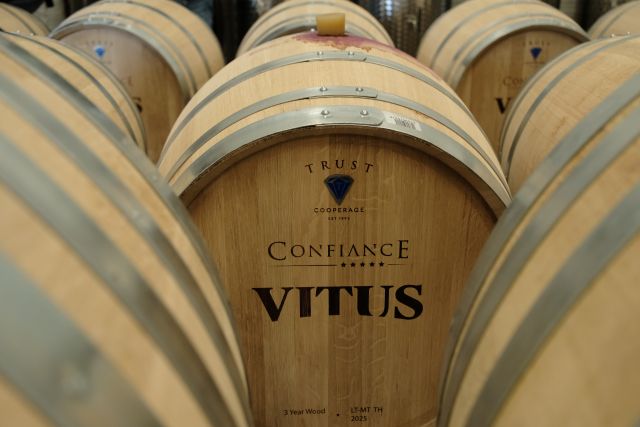
For the vineyard, one cycle had closed. In the cellar, a new one had only just begun.